
Stock Markets September 4, 2026 05:49 AM

U.S. Safety Regulator Audits Around 1,000 Tesla Cybercab Vehicles

NHTSA to review certification basis after Tesla begins limited commercial deployment in Austin

By Marcus Reed
Share
Twitter Reddit Facebook LinkedIn
TSLA

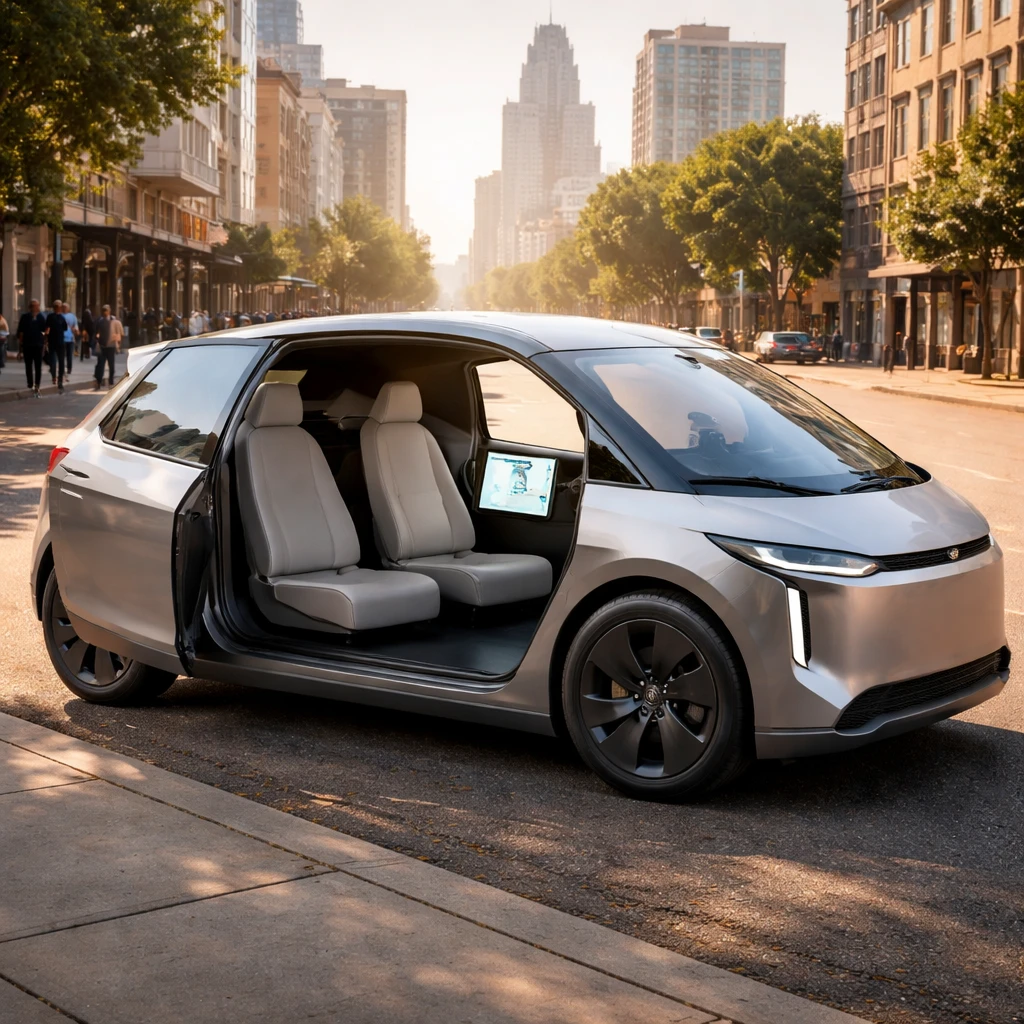
The U.S. National Highway Traffic Safety Administration has launched an audit of approximately 1,000 Tesla Cybercab vehicles to review the technical data and certification reasoning the automaker used to claim compliance with federal vehicle safety standards. The action follows Tesla's initial commercial deployment of a small fleet of two-seater Cybercabs in Austin, Texas, and centers on the vehicle's lack of permanently attached conventional manual controls.

U.S. Safety Regulator Audits Around 1,000 Tesla Cybercab Vehicles
TSLA
Summarize with
ChatGPT Perplexity Claude Grok Gemini

Key Points

  • NHTSA has launched an audit into about 1,000 Tesla Cybercab vehicles to review the technical and certification data Tesla used to claim compliance with federal safety standards.
  • The review follows Tesla's limited commercial deployment of two-seater Cybercabs in Austin, Texas, and will examine the company's reasoning for deeming certain Federal Motor Vehicle Safety Standards inapplicable.
  • The Cybercab lacks permanently attached conventional manual controls - including a steering wheel, brake pedal, accelerator pedal and mirrors - which is central to the audit and could affect deployment and regulatory treatment of similar vehicles.

The U.S. National Highway Traffic Safety Administration has opened an audit into roughly 1,000 Tesla Cybercab vehicles, the agency said, focusing on the documentation and technical analyses Tesla used to certify the vehicles as meeting federal motor vehicle safety requirements.

The audit announcement comes after Tesla began limited commercial deployment of a number of its two-seat Cybercab vehicles in Austin, Texas. Tesla has said it intends to expand that service gradually to cover more vehicles and locations, but the regulator's action zeroes in on how the company determined the vehicles complied with applicable safety standards.

NHTSA noted that the Cybercab does not have permanently attached conventional manual controls. Specifically, the agency listed the absence of a steering wheel, brake pedal, accelerator pedal and mirrors as part of the features under review. The audit will examine the basis for Tesla's certification decisions and will probe related questions, including whether the automaker appropriately concluded that certain Federal Motor Vehicle Safety Standards were not applicable to the Cybercab.

Tesla did not immediately provide a comment in response to requests for information. State records show Tesla had 420 autonomous vehicles registered in Texas as of Friday morning, including 45 Cybercab vehicles.


Context and implications for transport and logistics

From an operational perspective, NHTSA's audit highlights regulatory scrutiny that can affect deployment timetables for autonomous passenger services. For fleet operators, insurers and local regulators, the review raises questions about certification pathways for vehicles that depart from conventional human-controls architectures.

What the review will cover

  • Verification of the technical data Tesla provided to support its compliance claims.
  • Assessment of the company's determination that certain safety standards do not apply to the vehicle.
  • Evaluation of the absence of conventional, permanently mounted manual controls and the implications for certification.

The regulator's audit is administrative in nature; it focuses on certification processes and supporting documentation rather than announcing any specific safety defect determination at this stage. The outcome of the audit could influence the pace at which Tesla expands its Cybercab service and could inform how regulators treat similar vehicles in the future.

Risks

  • Regulatory action could slow the planned expansion of autonomous passenger services, affecting vehicle deployment timelines and related service rollouts - impacting urban mobility and ride-hailing sectors.
  • Questions about certification pathways for unconventional vehicle controls may create uncertainty for fleet operators and insurers that underwrite autonomous vehicle deployments - affecting insurance and fleet management sectors.

More from Stock Markets

Morgan Stanley Lowers Daimler Truck Rating as Order Cycle Nears Its High Point Sep 4, 2026 FICO Falls After FHFA Order Expands Access to VantageScore For Mortgages Sep 4, 2026 Canadian Futures Stall as TSX Wraps Up Tepid Week After BoC Rates Decision Sep 4, 2026 Xi Plans Substantial CEO Contingent for Washington Trip, Sources Say Sep 4, 2026 BofA Lifts Renishaw Rating and Price Target as Upcycle Strengthens Across Key End Markets Sep 4, 2026