
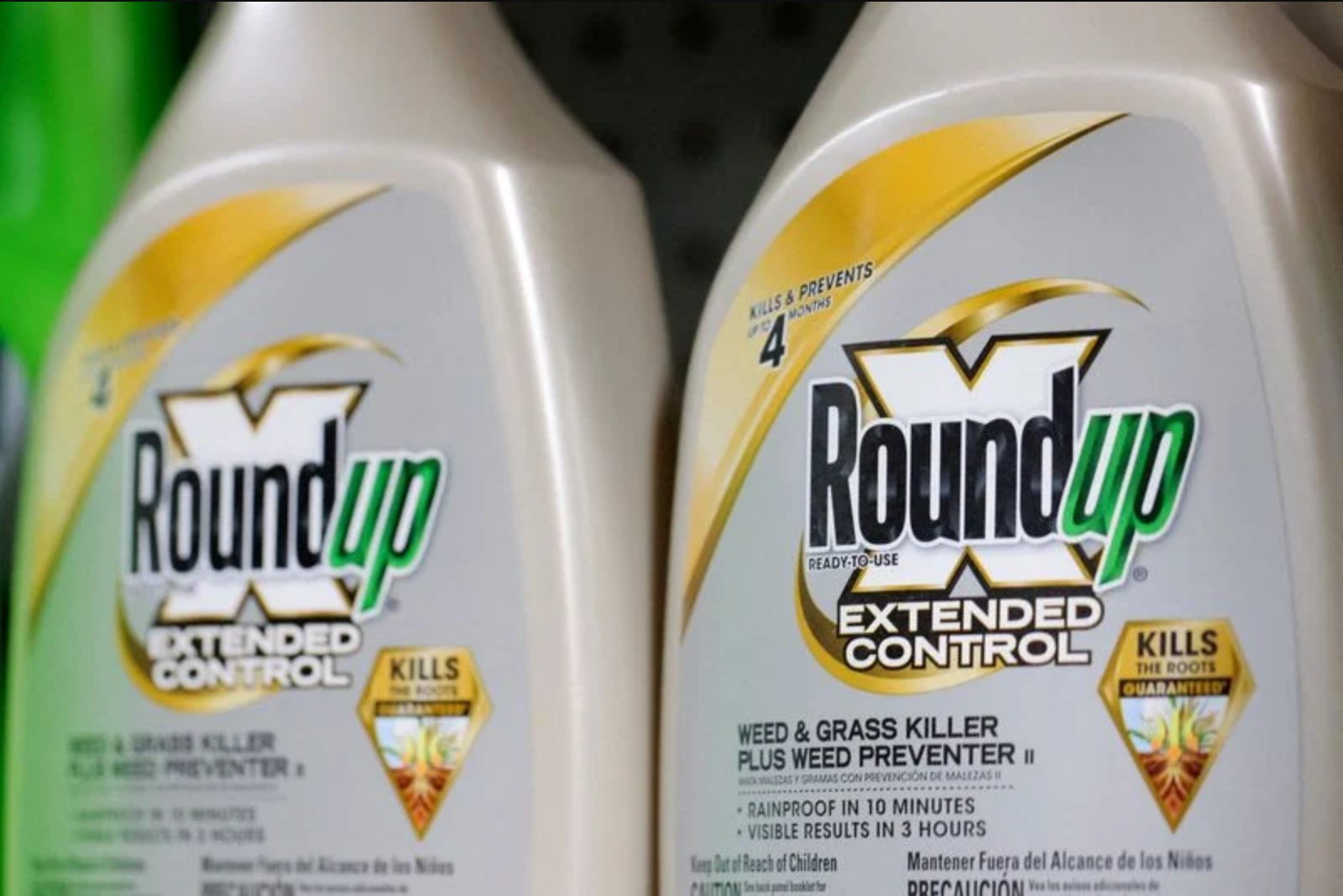
WASHINGTON, June 25 - The U.S. Supreme Court dealt a significant legal win to Bayer on Thursday by ruling that a federal statute governing pesticides blocks many state-law failure-to-warn claims tied to the active ingredient in the company’s Roundup herbicide.
In a 7-2 decision, the justices reversed a Missouri jury verdict that had awarded $1.25 million to John Durnell, who maintained he developed non-Hodgkin’s lymphoma after prolonged exposure to glyphosate in Roundup. The court agreed with Bayer’s position that the Federal Insecticide, Fungicide and Rodenticide Act, known as FIFRA, precludes state-law claims that would impose additional or different labeling or warning requirements than those set by federal regulation.
Bayer, which acquired Roundup through its $63 billion purchase of Monsanto in 2018, faces a vast body of litigation alleging a cancer link to glyphosate. More than 100,000 plaintiffs have lodged suits in state and federal courts across the United States. The company has argued the litigation threatens its ability to continue supplying the herbicide to farmers and has already removed glyphosate from its consumer Roundup product in response to the legal pressure.
Company officials and supporters framed the decision as a return to regulatory clarity. "The U.S. Supreme Court decision is good for science, farmers, and industries that depend on regulatory clarity for innovation. It should help significantly contain the Roundup litigation after nearly a decade of legal battles. The ruling should result in the dismissal of current warning-based claims and bar future failure-to-warn claims," company spokesperson Tino Andresen said in a statement.
Bayer had pointed to repeated findings by the U.S. Environmental Protection Agency, which approved Roundup labels without a cancer warning, arguing that such federal registration demonstrates the product is not "misbranded" under FIFRA. The company contended that label changes that would add warnings cannot be made without EPA approval and that allowing state courts to impose additional labeling obligations would conflict with the federal scheme that governs pesticide registration and labeling.
Durnell’s legal team maintained that even with EPA registration the product label could still be challenged as misbranded under state law, and that Missouri’s duty-to-warn requirement aligns with FIFRA’s misbranding prohibition and therefore is not preempted. Durnell originally sued Monsanto in Missouri state court in 2019, alleging the company failed to warn users of dangers tied to Roundup and glyphosate.
A jury found for Durnell in 2023, and a Missouri state appeals court upheld that verdict in 2025. According to court filings, Durnell traced his exposure to Roundup back to 1996, when he began work as the "spray guy" for a St. Louis neighborhood association, applying herbicide in local parks for about 20 years without protective equipment. He was later diagnosed with a rare and often aggressive form of non-Hodgkin lymphoma and attributed the disease to his years of exposure.
The dispute hinges on interpreting FIFRA’s ban on "misbranded" pesticides - a label the statute uses for products whose labeling lacks adequate warnings to protect health and the environment - and whether that federal standard blocks state-law claims seeking additional warnings. The Supreme Court’s decision endorses Bayer’s view that claims seeking failure-to-warn remedies would disrupt the uniform federal regulatory framework.
The Trump administration filed a brief supporting Bayer in the case. The company also counted among its backers a number of crop farming and agricultural industry groups. On the other side, several environmental, farm worker and public health organizations backed Durnell, and some activists tied to the "Make America Healthy Again" movement criticized the administration’s support for the company.
Facing the prospect of billions in liabilities, Bayer earlier proposed a settlement in February to resolve tens of thousands of current and future lawsuits for $7.25 billion. The company said that the proposed deal would not cover claims still subject to pending appeals or those outside the settlement’s scope, which it estimated amounted to nearly $1 billion.
The Supreme Court heard oral arguments in the case in April. Bayer and its allies have said a ruling in the company’s favor could substantially curtail the sprawling litigation. The company has reiterated that repeated EPA approvals of its labeling support the view that the product is not misbranded under federal law and that state-law failure-to-warn claims therefore should be preempted.
Thursday’s decision will directly affect not only the parties to the Durnell case but also the numerous plaintiffs who have pursued warning-based claims in state courts. How quickly current cases will be dismissed or otherwise resolved depends on how lower courts apply the Supreme Court’s ruling to the wide variety of claims and procedural postures across the litigation docket.
Timeline and key procedural points
- 2018 - Bayer acquired Monsanto and its Roundup product in a $63 billion deal.
- 2019 - John Durnell sued Monsanto in Missouri state court alleging failure to warn.
- 2023 - A jury awarded Durnell $1.25 million.
- 2025 - A Missouri appeals court upheld the verdict prior to the Supreme Court review.
- June 25 - The U.S. Supreme Court reversed the jury verdict in a 7-2 decision, finding FIFRA preempts state failure-to-warn claims.