
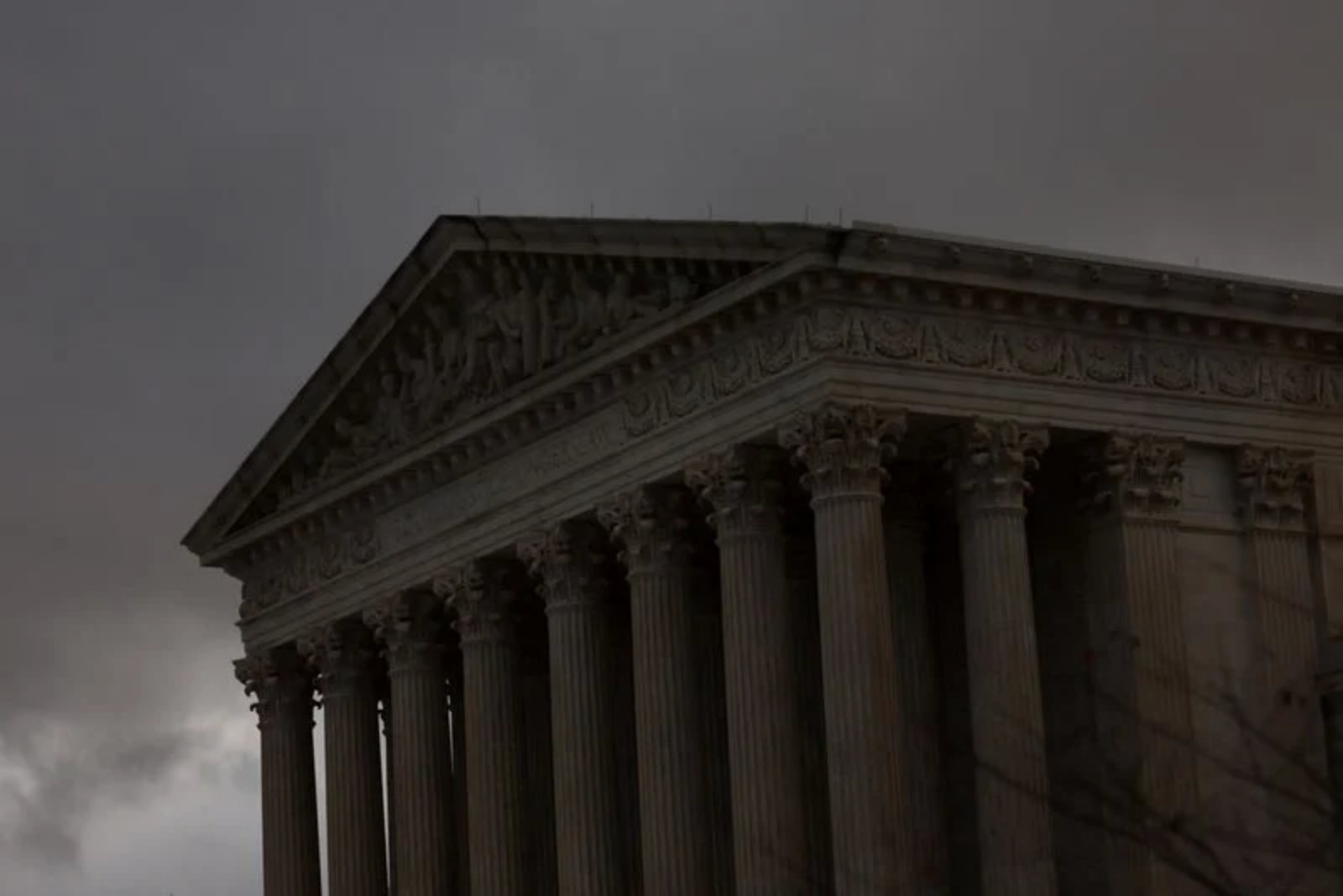
The United States Supreme Court on Thursday cleared the path for the federal government to terminate Temporary Protected Status for large groups of Haitian and Syrian nationals, reversing prior injunctions issued by trial courts in New York and Washington, D.C. In a 6-3 vote, the justices overturned those lower-court orders that had temporarily blocked the administration's moves to end the humanitarian designation for roughly 350,000 Haitians and about 6,100 Syrians.
The State Department continues to advise against travel to both Haiti and Syria, citing widespread violence, crime, terrorism and incidents of kidnapping. TPS is a temporary immigration classification that allows people from countries experiencing armed conflict, natural disasters or other extreme conditions to remain and work in the United States when returning home would be unsafe.
TPS was originally granted to Haitian nationals following the major earthquake there in 2010 and was extended to Syrians after the outbreak of civil conflict in Syria in 2012. The dispute over the recent terminations presented a test of how far the executive branch's authority reaches on immigration and humanitarian designations, particularly given the Supreme Court's long-standing practice of giving deference to presidential judgments in areas touching on immigration, national security and foreign policy.
The decision comes amid a broader effort by the current administration to unwind both legal and illegal immigration protections since it resumed office in January 2025. The Supreme Court's conservative majority, which voted 6-3 in this case, had previously permitted the government to end TPS protections for Venezuelans the previous year.
Administrations have long framed TPS as a temporary mechanism, and the recent actions terminating the designations for Syria and Haiti were undertaken by Kristi Noem while she served as the Department of Homeland Security secretary. Noem stated that maintaining TPS for those countries was contrary to U.S. national interests. The record shows that Noem's decisions to revoke TPS for both countries were central to the litigation, even though those decisions were no longer at issue after she was fired in March.
Groups of TPS holders from Syria and Haiti filed separate class-action suits challenging the terminations, arguing that the moves were part of a pattern aimed at dismantling TPS protections. Lower courts had ruled against the administration, finding that officials had not followed required procedures to evaluate country conditions before revoking designations. The government countered that it had complied with applicable processes and maintained that courts should not second-guess the executive branch's TPS determinations.
In the Haitian case, U.S. District Judge Ana Reyes in Washington found that the government's action was likely motivated in part by "racial animus," concluding it was probable that the termination decision was predetermined "because of hostility to nonwhite immigrants." That constitutional finding under the Fifth Amendment was a central element of the lower-court judgment that the Supreme Court has now set aside.
The broader significance of the ruling extends beyond the two affected groups. There are currently TPS designations covering nationals from 17 countries, together amounting to approximately 1.3 million immigrants. Legal challenges over TPS decisions have repeatedly tested the balance between executive discretion and judicial review in immigration matters.
Legal context and procedural issues
At issue in the litigation were both the substance of the termination decisions and the process by which they were reached. Lower courts found that mandatory protocols for assessing homeland conditions prior to revoking TPS had not been properly followed. The administration defended its approach and argued that the judiciary lacks authority to overturn the executive branch's evaluations in this domain.
What comes next
With the Supreme Court's ruling, the injunctions blocking the TPS terminations for Haiti and Syria are vacated. That clears the way for the government to move forward with ending the humanitarian protections that had allowed those nationals to remain and work in the United States while conditions in their home countries were judged unsafe.
The litigation and the court's decision underscore ongoing tensions between the executive branch's immigration policy priorities and the role of courts in reviewing administrative actions, especially when constitutional concerns such as claims of discriminatory motivation are raised.
For readers tracking the practical effects, the ruling may have consequences for individuals' ability to remain in the United States, and for employers and communities that have relied on the work authorization that accompanies TPS status.