
Overview
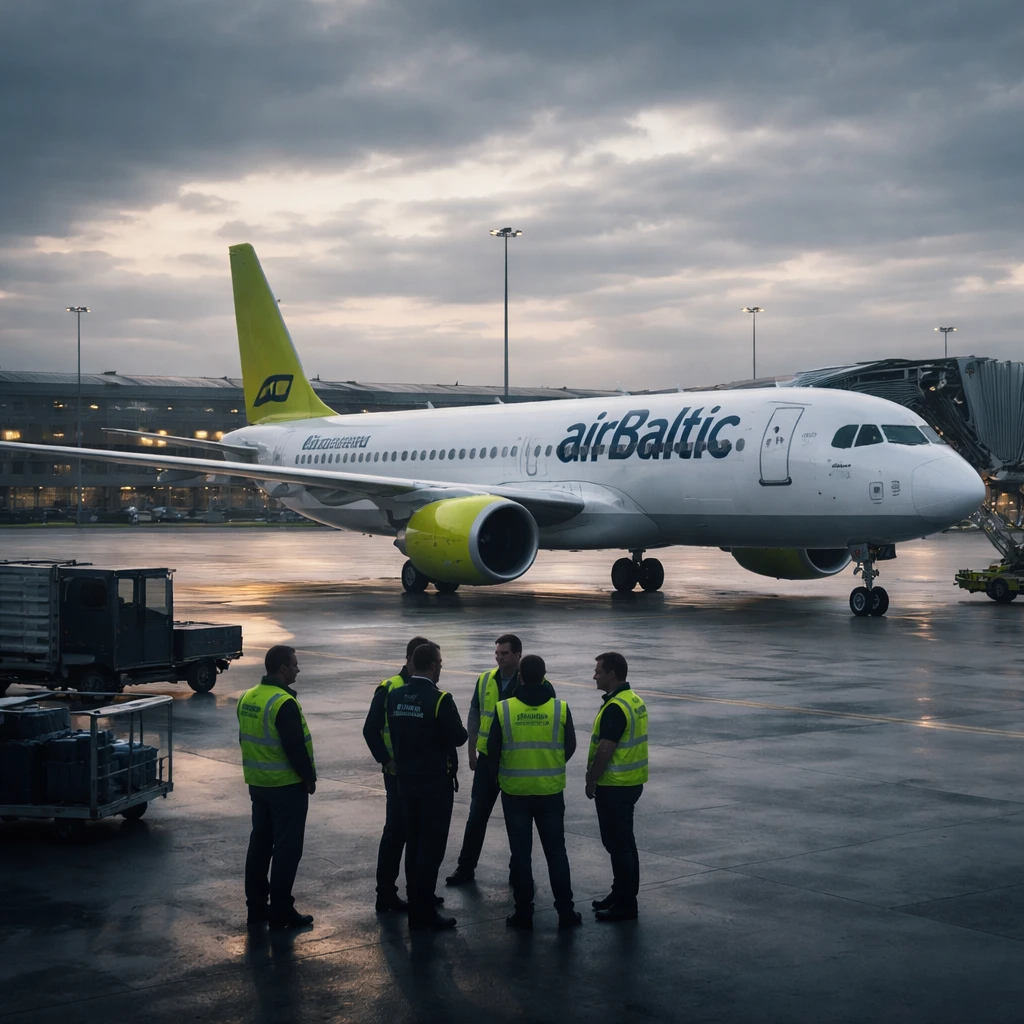
AirBaltic has begun formal bankruptcy protection proceedings in the United States and is simultaneously engaged in discussions with labour unions about changes to its staff roster, the airline’s chief executive said on Monday. The carrier filed for voluntary Chapter 11 in New York as it seeks to reorganise its balance sheet and shield itself from creditor actions amid an industry downturn linked to the Iran war.
CEO statement and operational outlook
Chief Executive Erno Hilden said the company is consulting with labour unions over an "adjustment in the workforce" and framed the move as a consequence of planned capacity reductions. He described the workforce change as a "natural conclusion" of those capacity plans, and said specific staffing numbers will be released once consultations are complete.
Hilden, who previously served as chief financial officer at Scandinavian Airlines and guided that carrier through a comparable bankruptcy process, said AirBaltic does not anticipate any interruption or alteration to its flight operations while under Chapter 11 protection. He also indicated that the carrier's wet-lease activities - where it provides aircraft and crew to other airlines for a fee - will see the largest changes as part of the restructuring.
Union response and ongoing talks
Dace Kavasa, chairperson of the Latvian aviation union, confirmed that talks are underway and said union negotiators are discussing "alternative employment solutions," including options that would allow some employees to remain on reduced or part-time schedules. Kavasa said it was still unclear how many workers would ultimately be dismissed.
She characterised the collective dismissal consultations as ongoing, noting a number of unknowns and "quite serious disagreements on the objectivity of some proposed criteria." Union leaders said they were aiming for some constructive outcomes by the end of the week but did not provide further detail on potential timelines or figures.
Restructuring rationale
The Chapter 11 filing in New York is aimed at giving AirBaltic the legal framework to reorganise its debts and continue operations while addressing creditor claims. Company leadership framed the filing as necessary to survive a sector-wide crisis driven by geopolitical developments affecting demand and costs. No interruption to scheduled services is expected during the proceedings, according to the CEO.
What remains uncertain
Key unknowns remain around the scale of workforce reductions, the final structure of any alternative employment arrangements, and the definitive plans for the wet-lease business. Union representatives highlighted disputes over the criteria used to determine dismissals, and both sides appear to be seeking a resolution through the consultation process.
Note: This article reflects statements and developments provided by company leadership and union representatives. It does not add or infer facts beyond those communicated in those statements.