
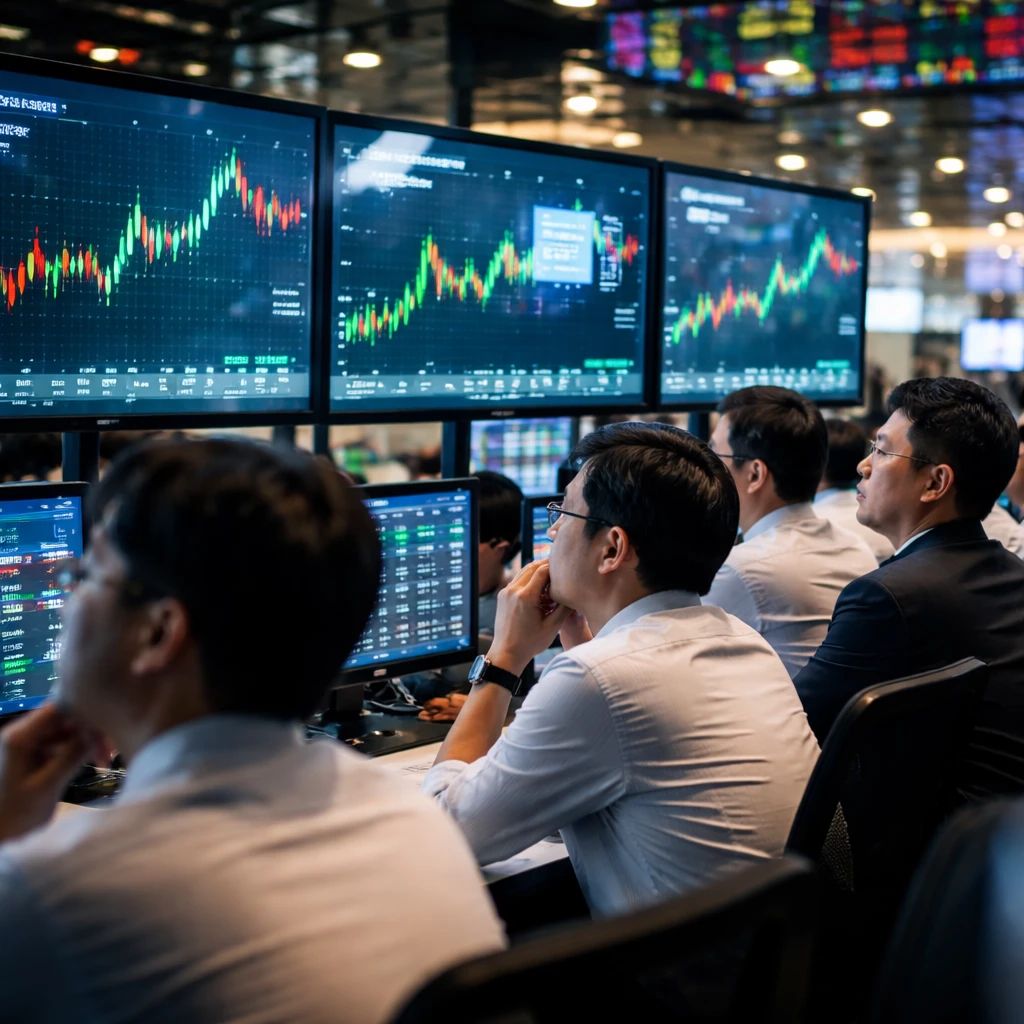
Samsung Electronics surged on Wednesday, with its share price rising 8.5% to close at 336,500 won, reversing part of the prior session's steep losses. The uptick came after reports that the company was preparing a share repurchase program valued at nearly 90 trillion won, a move said to respond to growing demands from shareholders and employees for a greater share of the company's artificial intelligence-related gains.
The rally followed a severe sell-off on Tuesday, when Samsung fell more than 12% amid a broader market collapse that activated KOSPI circuit breakers for the fourth time in 2026. That day saw widespread selling pressure across the market and heavy liquidation in leveraged products tied to major semiconductor names.
According to the reporting that preceded Wednesday's bounce, Samsung was considering a buyback in the region of 90 trillion won, equivalent to about $5.8 billion. The report attributed the buyback consideration to intensifying calls from both investors and employees to distribute a portion of the firm’s sizable artificial intelligence-related windfall.
Market participants also noted that Tuesday’s decline was amplified by profit-taking after an extraordinary run in Samsung share performance. The company’s stock had climbed close to 450% over the prior 12 months, and some investors liquidated positions following those gains.
The sell-off on Tuesday affected peers as well. Selling pressure on Samsung and fellow memory maker SK Hynix contributed to the KOSPI index closing down 9.99% at 8,203.84 points that session. Traders pointed to aggressive unwinding in highly leveraged exchange-traded funds as a major driver of the sharp move lower.
South Korea’s financial regulator weighed in publicly after the rout, expressing regret about its approval earlier in late May of 16 single-stock leveraged ETFs that track Samsung and SK Hynix. Officials suggested that the presence of those products had exacerbated volatility during the tumble.
This sequence of events - a rapid multi-session gain in shares, followed by severe short-term volatility and a sizable reported buyback - left the market with fresh questions about liquidity dynamics, leveraged product exposure, and the distribution of returns from recent gains in semiconductor and AI-related profits.