
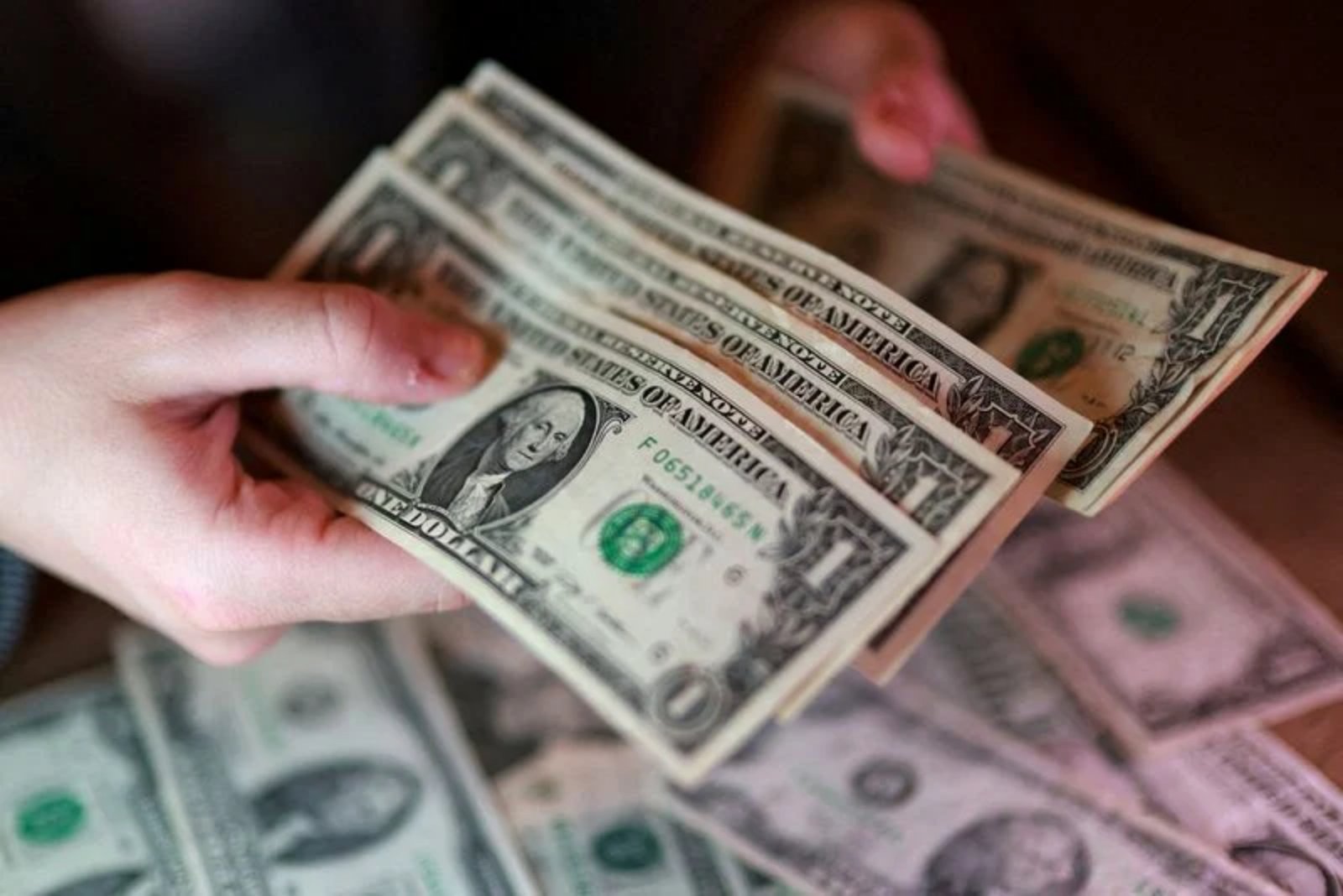
The U.S. dollar has extended its upward trajectory to reach a fresh 13-month high against a basket of major currencies on Wednesday. This surge in the greenback is being propelled by investors seeking shelter from a severe sell-off in technology and semiconductor equities, alongside mounting expectations for Federal Reserve rate hikes. A broad market correction in the tech sector has dragged down global stock indices, prompting capital flows into traditional safe-haven assets such as the dollar and U.S. government bonds.
Market participants are actively positioning themselves for potential policy tightening by the Federal Reserve. Fed officials have recently adopted a more hawkish tone, citing the robustness of the U.S. economy. According to data from CME FedWatch, the probability of a 25-basis-point rate hike at the July meeting has jumped to 37%, a sharp increase from 8.5% just a week prior. Furthermore, expectations for a hike in September have risen to 70%, up from 29.1% in the previous week. These shifting probabilities reflect growing confidence among traders that the central bank will act to manage inflationary pressures.
The dollar index, which tracks the performance of the greenback against a basket of currencies including the Japanese yen and the euro, climbed to a high of 101.44. This level marks the strongest point for the index since May 13, 2025. Ray Attrill, head of FX strategy at National Australia Bank, noted that the U.S. dollar remains the preferred safe-haven currency. He observed that while the momentum currently favors the dollar, a significant amount of this strength is already priced into the market. Attrill suggested that for the dollar to appreciate further from these levels, there would need to be a broader correction in global risk sentiment beyond the tech sector, or an even more aggressive ratcheting up of rate hike expectations by the market.
In currency markets, the euro last traded at $1.1375, approaching a one-year low. The British pound also weakened slightly, trading at $1.3199. This decline in the pound followed comments from Bank of England policymaker Alan Taylor, who stated that an "extended hold" on interest rates is the appropriate response to current inflation pressures. The risk-sensitive Australian dollar remained steady at $0.6918, waiting for the latest Consumer Price Index (CPI) reading scheduled for later in the day. Meanwhile, the New Zealand dollar weakened by 0.05% to $0.5665, marking a fresh seven-month low.
Geopolitical tensions have also contributed to the safe-haven demand for the dollar. The United States and Iran appeared to be at odds on several major aspects of their negotiating framework, including nuclear issues and control of the Strait of Hormuz. These disagreements have raised questions about the viability of their fragile peace deal, further driving investors toward U.S. assets.
The Japanese yen continued to languish under the weight of the dollar's strength. The yen last traded at 161.57, after briefly weakening to a two-year low of 161.93 late on Monday. Analysts noted that a break above 161.96 would leave the yen at its weakest level since 1986. Previous verbal warnings from Japanese officials have done little to alleviate sustained pressure on the currency. This weakness is attributed to wide interest rate differentials between the U.S. and Japan, coupled with doubts about Tokyo's commitment to direct market intervention. Former Bank of Japan policymaker Sayuri Shirai warned that the yen could weaken to 165 per dollar if the Fed raises interest rates this year.
Domestically, some Bank of Japan board members have called for further interest rate hikes to push the central bank's policy rate closer to levels deemed neutral to the economy. A summary of opinions from their June policy meeting, released on Wednesday, highlighted these internal debates. The divergence in monetary policy paths between the Federal Reserve and the Bank of Japan continues to exert significant pressure on currency markets globally.