
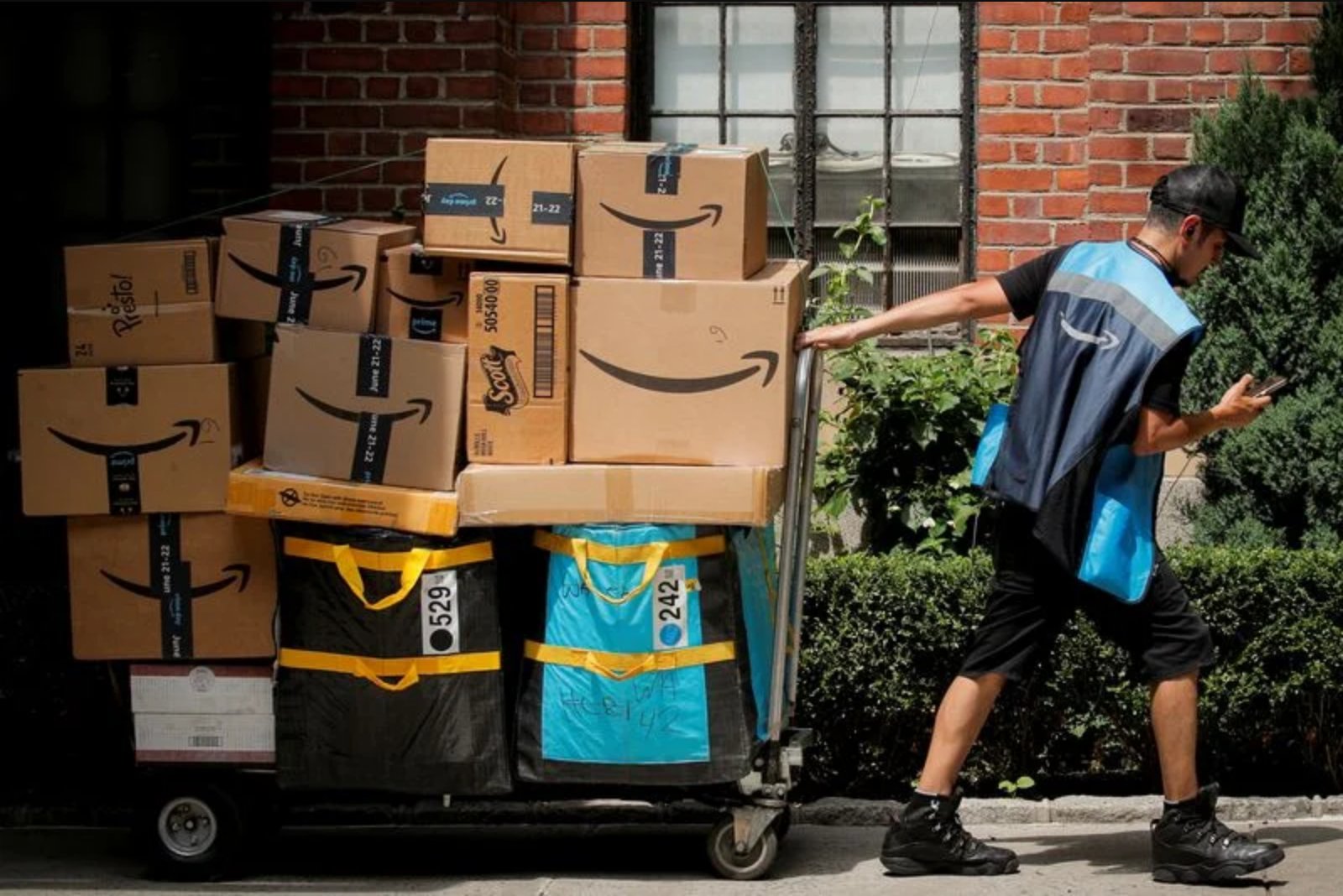
Amazon’s hastened Prime Day, scheduled for June 23-26, arrives as a close read on U.S. household spending patterns. The four-day event was moved earlier this year from July, a change the company attributed to a crowded calendar that includes the FIFA World Cup and the United States’ 250th anniversary. The shift may also capture seasonal purchases for summer travel, July Fourth gatherings and early back-to-school shopping.
How consumers fill their carts during the 96-hour sale will matter as much as total dollars spent, analysts say. With headline inflation running at 4.2% in May - its fastest pace in three years - and a jump in gasoline prices linked to conflict in the Middle East, many lower- and middle-income households have been foregoing discretionary, high-ticket purchases.
"People just don’t have the cash right now," said William Stern, CEO at U.S.-based small business lender Cardiff. "Prime Day isn’t going to be about buying big TVs or fun stuff this year. It’s for buying toilet paper and garbage bags on sale. Families are literally waiting for these discounts just to buy regular everyday things because their bank accounts are empty."
Amazon has pointed shoppers to deals on groceries, household items, travel and school-related goods. The company said fresh food and essentials are becoming a larger share of Prime members’ shopping baskets as same-day delivery expands.
Adobe Analytics forecasts category-specific lift in items such as children’s apparel, lunch boxes, backpacks, refrigerators, power tools and vacuum cleaners. The analytics firm projects average discounts of 23% on apparel, 23% on electronics and 19% on toys, figures that are largely unchanged from last year. Adobe also projects that shoppers will spend more during this Prime Day event than they did on Cyber Monday and Black Friday in 2025 combined.
Amazon is promoting a technology angle for the event as well. The company is pushing "Alexa for Shopping" as a discovery and deal-tracking tool for Prime Day. The feature is described as offering personalized recommendations driven by user behavior, the ability to view price history for up to a year, set alerts and automate purchases when items hit target prices.
Bank of America said in a note that the Alexa tool will be important "in protecting direct traffic for Amazon, as well as enabling higher conversion rates and driving incremental spend on the platform." A brokerage forecast put the total value of goods sold during the 96-hour event at $21.6 billion, a 5% increase over 2025.
Industry observers say the earlier timing should help Amazon capture seasonal demand for outdoor and travel products and summer apparel. Sky Canaves, an analyst at eMarketer, noted that shoppers remain strategic and use these sales events to stock up on basics as well as to time purchases of postponed bigger-ticket items.
The competitive response from other big-box retailers has become routine, increasing price pressure. Walmart launched a seven-day sale beginning Monday, and Target’s Circle Deal Days coincide exactly with Prime Day. eMarketer projects Amazon will account for more than 60% of sales during the four-day window.
"Walmart and Target...aren’t getting people to spend more overall, they’re just fighting over the same exact person. People are just going to go to whichever store has the absolute cheapest price," Cardiff’s Stern said.
Despite tighter consumer budgets, some market watchers point to steady retail sales and a generally stable economy as underlying supports for a healthy Prime Week, though the emphasis is expected to be on value rather than discretionary splurges. Bret Kenwell, an analyst at eToro, said those factors should underpin a solid event, even as shoppers remain selective.
Key measurable expectations and offerings for this Prime Day include:
- Event dates: June 23-26, moved earlier from July due to a busy calendar including the World Cup and U.S. 250th anniversary.
- Category emphasis: groceries, household essentials, travel items and back-to-school goods; fresh food and essentials gaining share in Prime baskets.
- Promotions and tech: Amazon’s Alexa for Shopping offers personalized recommendations, price history up to one year, alerts and automated purchases.
- Sales forecast: A brokerage projects $21.6 billion in goods sold across the 96-hour event, up 5% from 2025; Adobe projects higher spending than Cyber Monday and Black Friday 2025 combined.
- Discount averages cited by Adobe Analytics: 23% apparel, 23% electronics, 19% toys.
While many shoppers will hunt for bargains on everyday items, the synchronized sales by major competitors will likely keep price competition high and concentrate spending among a defined group of value-seeking consumers.