
Overview
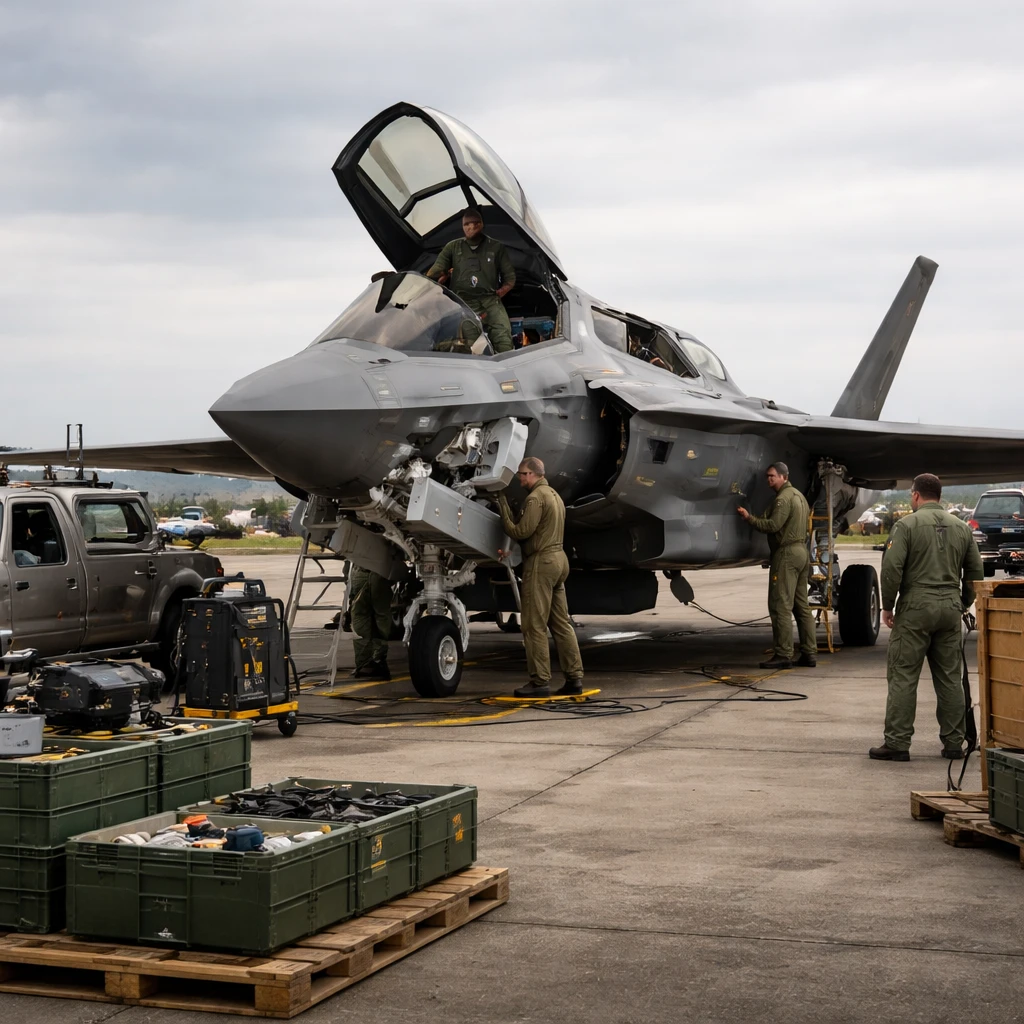
The Pentagon has submitted a new request for $13.7 billion in additional funding through 2031 aimed at reversing a steady decline in F-35 readiness rates across the Air Force, Navy and Marine Corps. The Government Accountability Office released a report on Thursday detailing the department's case for the extra funds and identifying risks to the program office's planned response.
Why the money is needed
The program office's funding proposal is intended to confront multiple shortfalls that have driven readiness lower, chief among them a lack of spare parts and heavy reliance on outside contractors, including Lockheed Martin. According to the report, more than half of the $13.7 billion request is earmarked for spare parts to increase the share of aircraft deemed capable of completing assigned missions.
Measured declines in readiness
The GAO report documents a notable drop in mission-capable metrics. The mission-capable rate across the F-35 fleet fell from 67 percent in fiscal year 2021 to 44 percent in fiscal year 2025. Over the same period the full mission-capable rate declined from 38 percent to 25 percent.
Incentives and affordability pressures
The Pentagon has paid its contractor hundreds of millions of dollars in incentives since 2020 with the goal of improving F-35 readiness. The GAO concluded that those incentives have not been effective. The report also warns that the U.S. military services will confront an annual shortfall of more than $1 billion between projected sustainment costs for their F-35s and their affordability goals by the mid-2030s.
Program risks and supplier constraints
The GAO identified multiple risks that could prevent the program office from meeting objectives under its new strategy, called the Global Support Solution Reset. The office plans to rely on the private sector to supply more than $7 billion in additional parts and other material, but capacity constraints remain for key components, the report found. Those supplier limitations pose a direct risk to the timeline and effectiveness of the reset strategy.
Implications
The funding request and accompanying GAO findings outline an effort to shore up logistics and sustainment for the F-35 fleet. The request focuses heavily on parts and material to lift mission-capable rates, while highlighting structural affordability and supplier capacity challenges that will need to be addressed for the plan to succeed.