
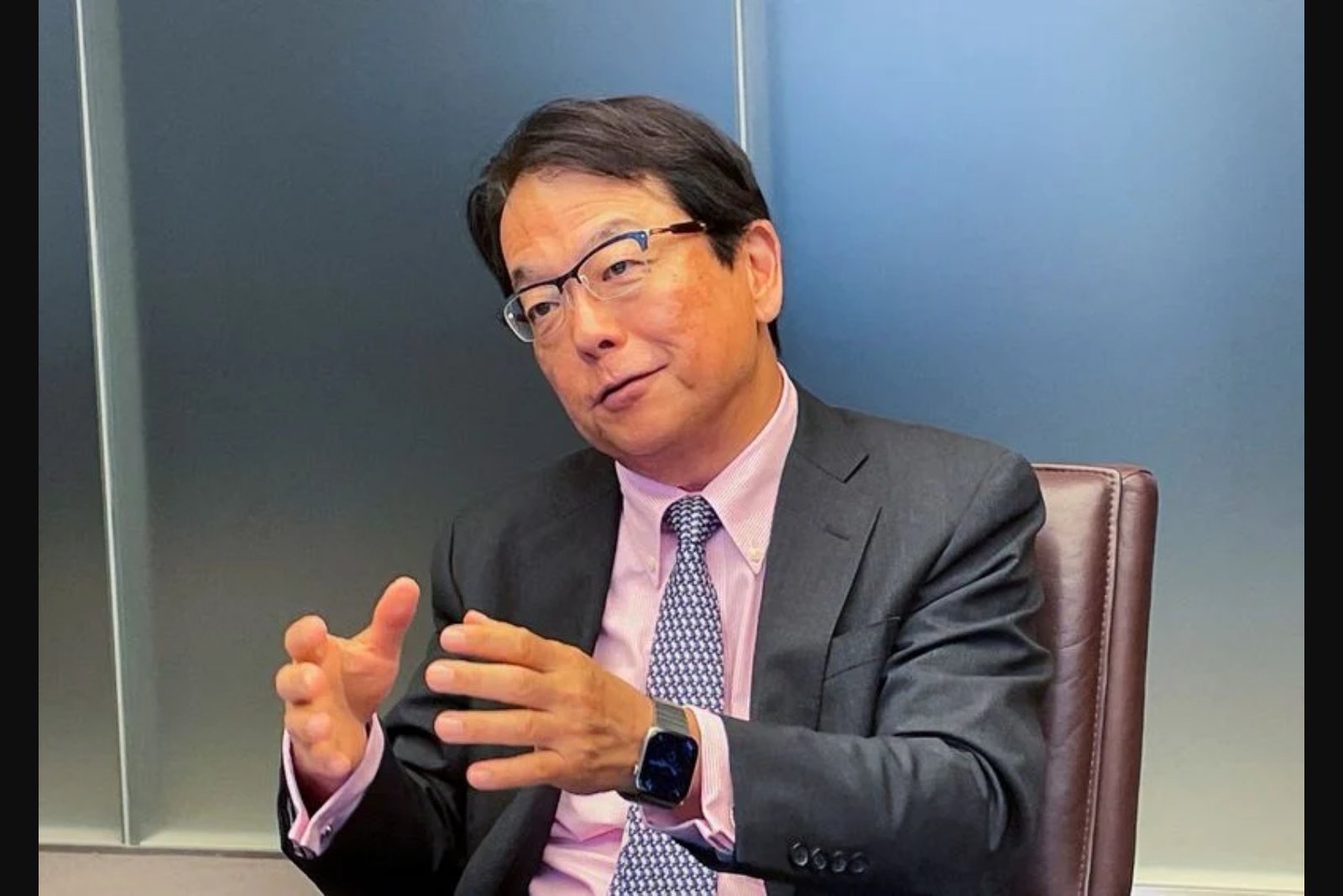
Nippon Steel is projecting a robust outlook for its U.S. operations after completing last year’s acquisition of U.S. Steel, with Vice Chairman Takahiro Mori saying the American market is likely to remain supportive to earnings. Mori highlighted import tariffs and steady demand as the principal factors underpinning a pricing environment that could lift U.S. Steel’s results beyond current estimates.
Mori said he expects U.S. Steel will be able to record profits exceeding 100 billion yen ($624 million) in the current year, and added that the favourable market trajectory through 2027 leaves room for further upside. Looking further out, he projected U.S. Steel could generate an annual profit in the range of 300 billion yen to 400 billion yen.
Pointing to the current pricing differential between regions, Mori described conditions in the United States as "highly favourable," noting hot-rolled steel sheet prices north of $1,200 per metric ton - more than twice prevailing levels in Asia. To take advantage of the stronger pricing regime, U.S. Steel restarted an idled blast furnace in Illinois in March and has been operating it at full capacity.
The remarks build on the strategic integration that followed Nippon Steel’s $14.9 billion acquisition of U.S. Steel, which closed after an 18-month period of political and regulatory scrutiny. Since the takeover, roughly 100 Nippon Steel personnel seconded from Japan have been placed at U.S. Steel to work on 260 operational improvement initiatives designed to raise yields and realise synergies, Mori said.
On capital deployment, Mori said U.S. Steel’s board has already approved about one-third of an $11 billion investment plan that Nippon Steel committed to fund through 2028. Those investments are expected to scale returns, with Nippon Steel forecasting returns to rise to about 3 billion yen a year by 2035.
While optimistic on the U.S. market, Mori acknowledged potential headwinds. He cited inflationary cost pressures and labour shortages as risks that could affect project execution as multiple initiatives compete for workers. He also noted that, despite the U.S. government holding a golden share in the combined company, Washington has not interfered in management decisions since the acquisition closed.
Amid broader geopolitical uncertainty and rising protectionist measures, Nippon Steel said it will continue to pursue international expansion with a focus on the United States, India, Thailand and Europe. Mori set an explicit target to lift overseas profit to more than 500 billion yen by 2030 - nearly five times the company’s fiscal 2025 levels - reflecting a strategy of scaling international operations.
Mori, who led talks for the U.S. Steel deal, also observed that global structural shifts make it increasingly important for companies operating across borders to cultivate relationships with key policymakers and align investments and operations with national industrial policy priorities.
Exchange rate used in the company commentary: $1 = 160.2600 yen.