
Stock Markets April 22, 2026 06:11 PM

Navy Secretary John Phelan Removed as Pentagon Leadership Sees Further Turmoil

Undersecretary Hung Cao named acting Navy secretary as Pentagon cites immediate departure amid stepped-up naval activity in the Middle East

By Maya Rios
Navy Secretary John Phelan Removed as Pentagon Leadership Sees Further Turmoil

The Pentagon announced the immediate departure of Navy Secretary John Phelan. The move adds to a series of recent senior leadership changes at the Defense Department and occurs as U.S. naval forces are being increased in the Middle East to support a blockade of Iran during a tense ceasefire period. No detailed explanation for Phelan's removal was provided in the Pentagon statement.

Key Points

  • The Pentagon announced Navy Secretary John Phelan is departing the administration, effective immediately; no further details were provided.
  • Undersecretary Hung Cao has been named acting Navy secretary.
  • The change is part of a series of recent senior leadership removals at the Pentagon and coincides with increased U.S. naval deployments to the Middle East to enforce a blockade of Iran during a tense ceasefire - this primarily affects defense-related operations and naval force posture.

The Department of Defense confirmed that Navy Secretary John Phelan is leaving the administration, effective immediately, according to a Pentagon statement that did not supply further details.

Chief Pentagon spokesperson Sean Parnell offered remarks expressing gratitude for Phelan's tenure, saying,

"On behalf of the Secretary of War and Deputy Secretary of War, we are grateful to Secretary Phelan for his service to the Department and the United States Navy. We wish him well in his future endeavors."

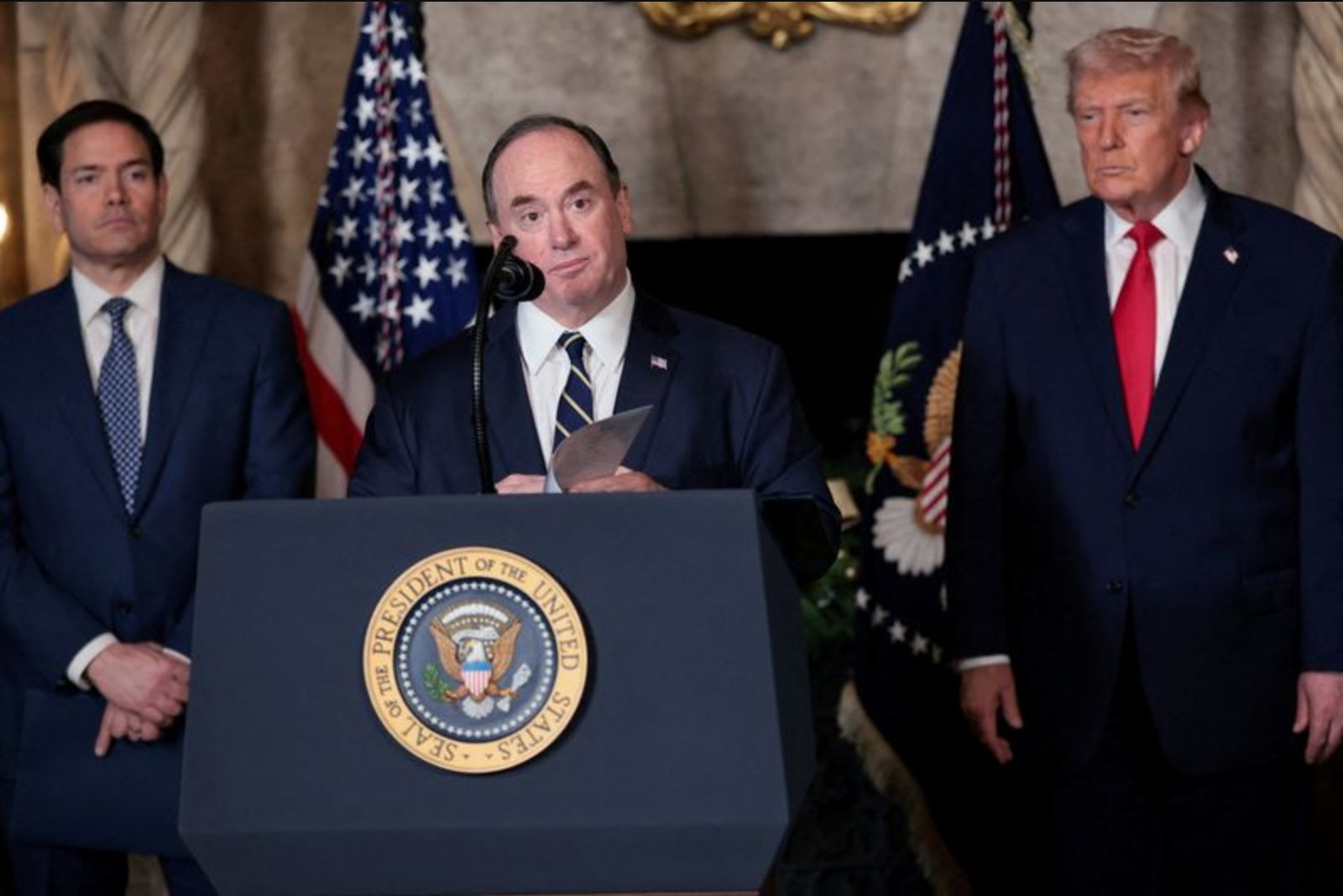
Deputy civilian leader of the Navy, Undersecretary Hung Cao, will assume the role of acting Navy secretary, the Pentagon said.

The departure follows an earlier personnel change on April 2, when Defense Secretary Pete Hegseth dismissed U.S. Army Chief of Staff Randy George without providing a publicly stated reason. Two U.S. officials indicated that the firing of the Army chief of staff was linked to tensions between Hegseth and Army Secretary Daniel Driscoll.

Officials characterized Phelan's removal as part of a broader pattern of high-level turnover at the Pentagon. Recent departures cited include the previous chairman of the Joint Chiefs of Staff, Air Force General C.Q. Brown, as well as the chief of naval operations and the Air Force vice chief of staff, all dismissed in the past year.

The latest personnel change comes while the United States is conducting a tense ceasefire with Iran. The Pentagon has been directing more naval assets into the Middle East as part of U.S. military operations in the region. According to the Pentagon's public statements, naval forces are being used to carry out a blockade of Iran that the administration hopes will increase pressure on Tehran to negotiate an end to the conflict on U.S. terms.

The Pentagon did not provide additional comment on the rationale for Phelan's immediate departure or on any internal deliberations that led to the change in leadership.


Summary of developments

  • John Phelan has been removed as Navy secretary, with the Pentagon stating he is departing the administration, effective immediately.
  • Undersecretary Hung Cao will serve as acting Navy secretary.
  • The move adds to recent senior Pentagon departures and takes place as U.S. naval forces are increased in the Middle East to support a blockade of Iran amid a tense ceasefire.

Risks

  • Uncertainty around the reasons for Phelan's removal - the Pentagon issued no detailed explanation, leaving questions about internal decision-making within the defense leadership; this may affect organizational stability in the defense sector.
  • Ongoing leadership turnover at senior Pentagon levels - recent dismissals across the department could complicate continuity of command and policy execution, with potential implications for defense planning and military operations.
  • Escalation risks tied to increased U.S. naval activity in the Middle East - the use of naval assets to carry out a blockade of Iran during a tense ceasefire introduces operational risks for naval forces and maritime security in the region.

More from Stock Markets

American and Alaska Air Hold Early Talks to Deepen International Cooperation Apr 22, 2026 Musk Says Terafab Will Use Intel’s 14A Process as Venture Prepares to Scale Apr 22, 2026 SK Hynix Posts Record Q1 Operating Profit as AI Demand Drives Memory Prices Higher Apr 22, 2026 U.S. Official Named ILO Deputy Director General After Prolonged Delay Apr 22, 2026 ServiceNow Cites Middle East Deal Delays as Q1 Subscription Growth Slows; Shares Plunge Apr 22, 2026