
Intel Corporation stock climbed 3.9% in pre-open trading after supply chain sources, cited in recent reporting, said the chipmaker plans to increase prices on its PC central processing units by roughly 10% in early October. That potential hike would continue a series of price increases that began in late 2025 and aligns with a stated push to boost overall gross margins rather than prioritizing market share through lower pricing.
Those same sources portrayed the pricing actions as part of an intentional shift away from a volume-driven strategy. Reports said CEO Lip-Bu Tan is focused on expanding the company’s gross margins and lifting profitability, and the planned October adjustment would be consistent with that direction.
Several other developments supported the bullish sentiment in premarket trade. Northland upgraded Intel from Market Perform to Outperform and set a $120 price target, citing evidence of a turnaround, shortages in server CPUs, and the partnership around Terafab. The upgrade added an analyst-driven endorsement to the pricing narrative.
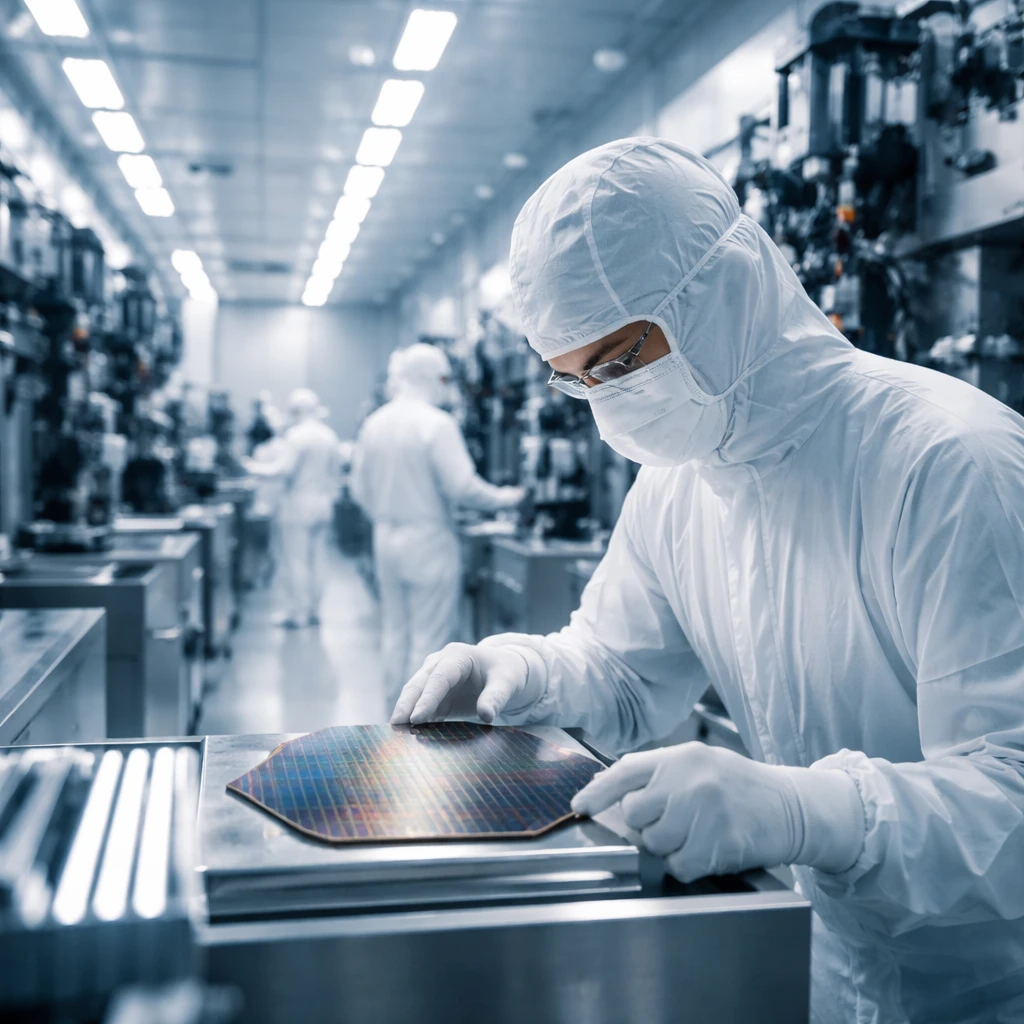
On the manufacturing front, Intel Foundry and ASML announced at the SPIE Photomask Technology + Extreme Ultraviolet Lithography conference that Intel Foundry has processed more than one million wafers to date using High NA EUV lithography technology. ASML also reported securing commitments from Samsung, TSMC, and Intel to adopt its High NA EUV systems, which can cost up to $400 million per machine. According to the announcements, Samsung plans to use High NA EUV for high-volume memory production by 2028, while TSMC expects to begin adoption in 2030.
The company-specific news drove Intel’s advance even as the broader market showed weakness. The S&P 500 was down 0.3%, the Dow Jones Industrial Average fell 0.8%, and the Nasdaq eased 0.1% in early trading, indicating the pre-market move reflected stock-specific catalysts rather than general market momentum.
Intel entered Tuesday’s U.S. session after closing at $95.80 on Friday, September 4, when the shares gained 4.5% on volume of 97.7 million shares. U.S. markets were closed on Monday for Labor Day. Adding an element that may have reinforced retail interest, President Trump posted an AI-generated image on Truth Social depicting himself trading Intel stock from $20 to $95.
Taken together, the pricing strategy designed to be margin-accretive, the analyst upgrade, the High NA EUV manufacturing milestone, and continued high-profile attention created multiple, layered catalysts that supported Intel’s pre-market gains. Market participants noted these company-specific signals as the primary drivers, given the cautious macro backdrop in the broader semiconductor sector.
Context and implications
The reported price increase would continue a series of hikes begun in late 2025 and was described by supply chain sources as a response to both supply-chain cost pressures and strong demand. Executives and analysts who are cited in these reports framed the moves as efforts to improve margins rather than chase volume. The Northland upgrade and the wafer-processing milestone with High NA EUV were cited as complementary reasons for the stock’s advance.
Market reaction
Intel’s shares outperformed the Nasdaq in premarket trade following the combined wave of company-specific developments. In addition to the earlier weekly gain and the pre-market rally, investor attention remained elevated as the firm’s manufacturing partner commitments and High NA EUV adoption plans were highlighted.
Key points
- Intel is reportedly preparing to raise PC CPU prices by about 10% in early October to improve gross margins and shift away from volume-based pricing.
- Northland upgraded Intel to Outperform with a $120 price target, citing turnaround progress, server CPU shortages, and the Terafab partnership.
- Intel Foundry processed over one million wafers using High NA EUV; ASML secured commitments from Samsung, TSMC, and Intel to adopt High NA EUV systems.
Sectors impacted
- Semiconductor manufacturing and foundry services
- PC and server CPU markets
- Capital equipment suppliers tied to advanced lithography
Risks and uncertainties
- Planned price increases may encounter variability in execution or market reception, affecting PC CPU demand and competitive dynamics in the PC and server segments.
- Commitments to adopt High NA EUV systems entail multi-year capital plans and significant per-unit costs - up to $400 million per machine - which could influence foundry economics and timing of production ramps.
- Broader market weakness means company-specific gains may be constrained if macro conditions worsen or if other semiconductor firms report conflicting signals.
Conclusion
The combination of a margin-focused pricing strategy, a favorable analyst revision, a notable foundry technology milestone, and continued high-profile interest created a compound set of catalysts that lifted Intel shares in pre-market trading. These factors drove the stock higher even as major U.S. indices drifted lower in early trading, underscoring the company-specific nature of the move.