
Overview
Sept 8 - Yemen’s Tehran-backed Houthi movement launched missiles and drones at Saudi Arabian cities and energy facilities on Tuesday, part of a broader regional escalation taking place more than six months into the U.S. war with Iran. The renewed campaign raises the prospect that Yemen’s long-dormant civil conflict could flare again and that risks to shipping in the Red Sea will increase, compounding pressure on Middle Eastern energy exports at a time when Iran has already largely choked off traffic through the Strait of Hormuz.
Who the Houthis are
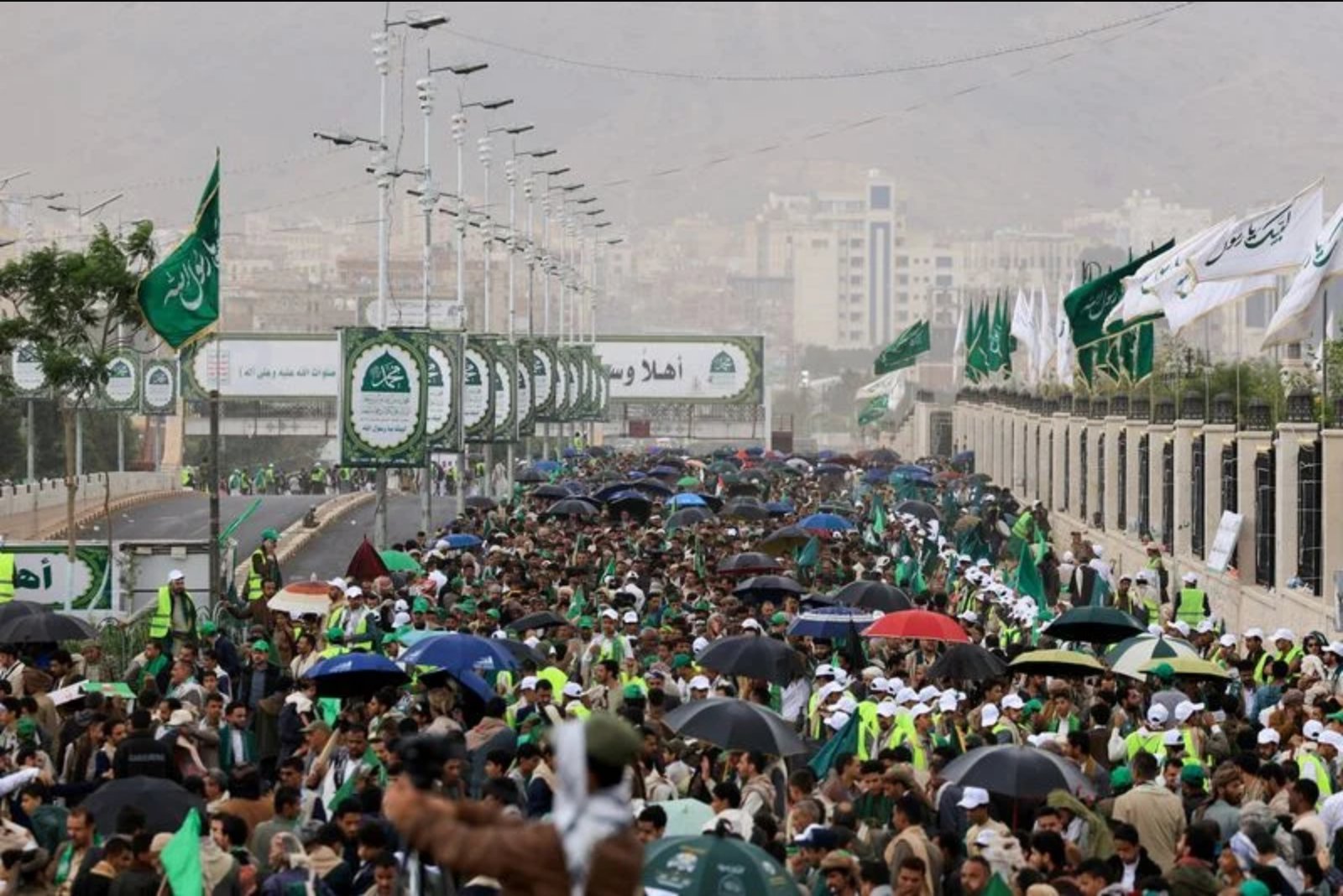
The Houthis are a combined military, political and religious organisation that now governs most of northwest Yemen. Over recent years they have repeatedly interfered with global trade and energy movements by attacking cargo vessels and oil tankers transiting the Red Sea. In 2023 the group began firing on ships in the Red Sea and launched drones and missiles at Israel, framing those actions as support for Palestinians during Israel’s war in Gaza that began the year prior. According to statements from the group, their maritime and cross-border operations continued this year in reaction to the United States’ war on Iran, a close ally of the Houthis.
Origins and evolution
The movement emerged in northern Yemen during the 1990s as a revival movement for Zaydism, a branch of Shiite Islam whose adherents once ruled much of Yemen but whose northern communities became economically marginalised. The group engaged in several guerrilla campaigns against Yemen’s national army and fought a brief border conflict with Saudi Arabia.
When long-serving president Ali Abdullah Saleh was ousted during the 2011 Arab uprisings, the Houthis consolidated control in the north and rejected a Gulf-backed political transition. With backing from Iran, the group’s secretive leader, Abdul Malik al-Houthi, transformed a faction of mountain fighters into a force numbering in the tens of thousands. In 2014 the Houthis seized the capital, Sanaa, forcing the internationally recognised government to relocate to Aden.
Escalation and Saudi response
Alarmed by what it perceived as growing Iranian influence on its southern frontier and the potential for instability to spill across its border, Saudi Arabia led a military intervention in early 2015 aimed at dislodging the Houthis, reinstating the government and restoring the transition process. The intervention set off a prolonged civil war that produced one of the world’s most severe humanitarian crises and involved years of intense combat and air strikes by Saudi Arabia and its coalition partners, including the United Arab Emirates.
Despite sustained campaign efforts, neither side achieved decisive territorial gains across Yemen’s rugged terrain. The Houthis retained control over the northwest, the country’s most populous region, and over time demonstrated growing capabilities in missiles and unmanned aerial systems, striking oil facilities and other critical infrastructure inside Saudi Arabia and the UAE.
Interruption and resumption of hostilities
A United Nations-mediated truce, brokered in 2022, held until this year. Since the truce, the Houthis’ maritime campaign and strikes on regional targets have periodically resumed. Their assaults on Red Sea shipping in 2023-25 materially disrupted global trade routes, forcing vessels transiting between Europe and Asia to divert around the Cape of Good Hope, a change that increased transit times and costs.
More recently, the group’s threats to oil tankers amid the broader conflict with Iran have exacerbated squeezes on Gulf energy exports after Tehran largely choked off the Strait of Hormuz. Although some Houthi missile and drone strikes inflicted notable damage inside Saudi Arabia and the UAE, the group’s operations have proven less effective against targets farther north, including Israel.
Relations with Iran
Iran positions the Houthis within its regional "Axis of Resistance", a grouping that includes Lebanon’s Hezbollah and Shiite militias in Iraq. However, the relationship between Iran and the Houthis is not identical to Iran’s ties with those other organisations. The Houthis do not recognise Iran’s supreme leader as their ultimate religious authority in the same manner as Hezbollah and some Iraqi groups, and their motivations remain primarily domestic even as ideological alignment with Tehran exists.
The United States has accused Iran of arming, funding and training the Houthis, allegedly with assistance from Hezbollah. The Houthis reject being characterised as an Iranian proxy and assert that they develop their own weaponry.
Market and strategic implications
By targeting shipping lanes and energy infrastructure, the Houthis have already influenced trade routes and costs. Their actions feed directly into higher transportation expenses and the fragility of energy supply chains that depend on safe passage through key chokepoints. The combination of Red Sea attacks and disruptions in the Strait of Hormuz tightens the market for oil and can amplify volatility in energy prices and logistics costs for companies across affected sectors.
What remains uncertain
There are open questions about the scale and duration of the latest campaign and the degree to which it will draw additional regional actors into direct confrontation. Equally unclear is whether diplomatic or military measures will restore the 2022 truce-type calm or whether the activities will persist and further strain global trade routes and energy flows.
Conclusion
The Houthis are a domestically rooted movement with growing military reach and regional links to Iran that together have already reshaped shipping patterns and posed repeated threats to energy infrastructure. Their recent escalation of missile and drone strikes on Saudi targets and continued pressure on Red Sea shipping inject fresh uncertainty into markets and heighten the risk that Yemen’s long-suspended civil war will resume with wider regional consequences.