
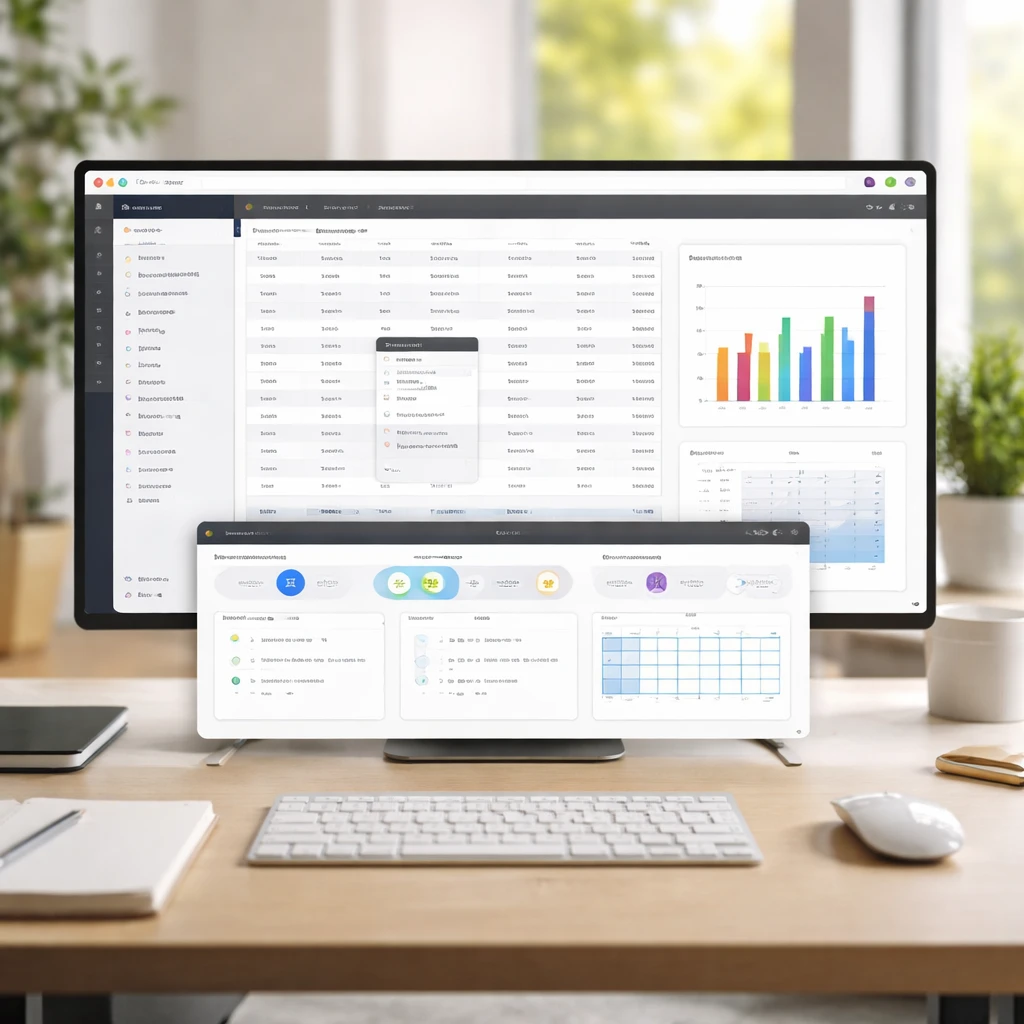
Google has introduced a set of AI-driven capabilities and a redesigned user interface for Looker aimed at simplifying query creation, visualization, and custom calculations. The company said the Explore release bundles three AI assistants powered by Google’s Gemini models alongside several workflow and UI changes.
The new assistants are designed to help users interact with data through natural language. The Quick Start assistant generates initial queries automatically, giving users a starting point for exploration. The Insight Assistant accepts natural language commands to adjust data tables and visualizations. The Expression Assistant translates plain-language descriptions into Looker Expression syntax to produce custom calculations.
On the interface side, Google updated Looker with a resizable field picker pane and contextual menus embedded in data tables. The platform now supports visual pivot capabilities. Contextual data table menus let users switch between data granularities, apply filters, and add table calculations directly from column controls.
Looker’s Merge Query workflow has also been reworked into a three-panel layout that shows join configurations, field pickers, and data previews at the same time. The updated workflow includes automatic suggestions for join fields and the ability to paste prebuilt query URLs into the interface.
Separately, Google adjusted the platform’s default row limit for non-BigQuery data sources, raising it to 50,000 rows. The company noted that the new features and settings are accessible through Looker administrators.
These updates combine natural-language assistants with interface improvements and query workflow changes in a single Explore release. Administrators control access to the new functions, while the increased default row threshold applies specifically to sources other than BigQuery.