
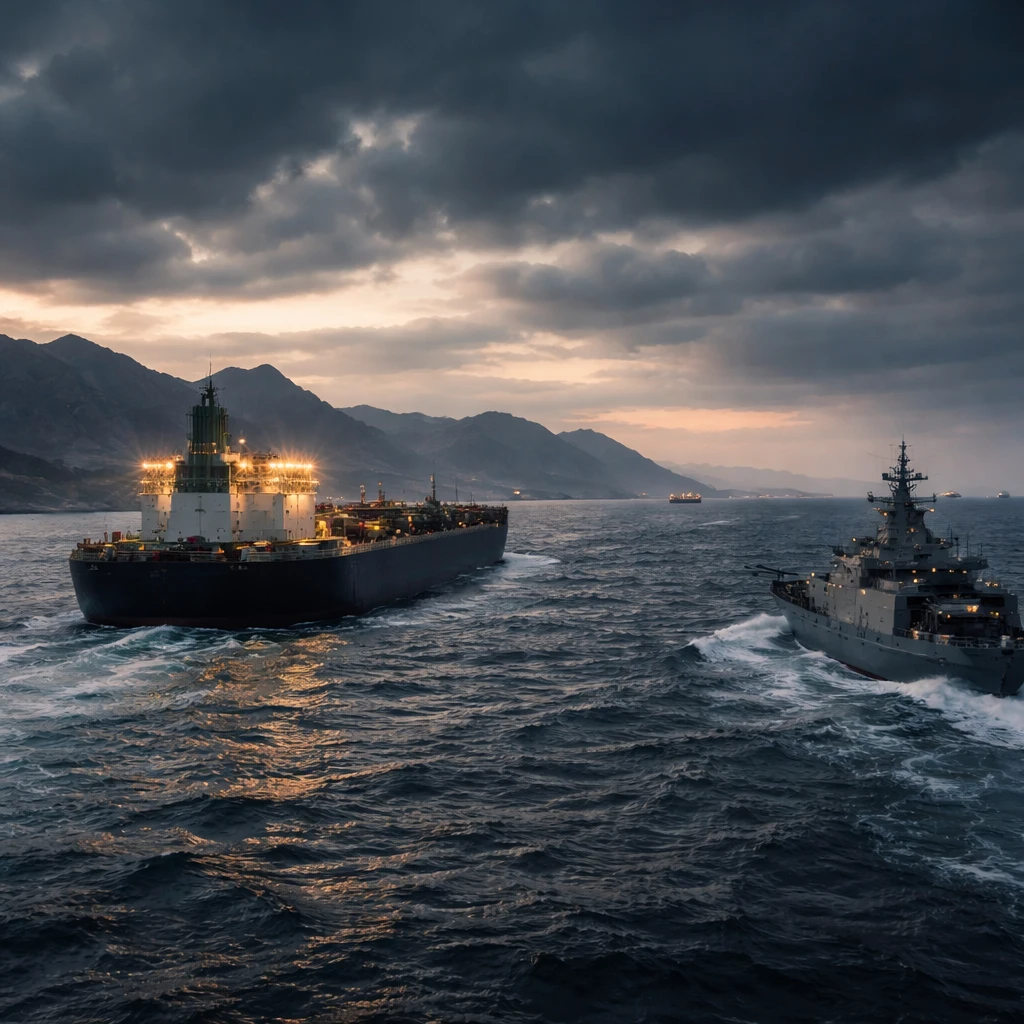
European equities started the week in negative territory on Monday as investors reacted to a resurgence of tensions between the U.S. and Iran that has clouded prospects for the prompt and sustained reopening of tanker traffic through the Strait of Hormuz.
By 03:03 ET (07:03 GMT), the pan-European Stoxx 600 index had fallen by 1.0%. Major national benchmarks were weaker as well - Germany's Dax declined by 1.3%, France's CAC 40 shed 1.1%, and the U.K.'s FTSE 100 dipped by 0.4%.
Shares in European luxury groups moved lower after having warned that the Iran conflict would weigh on sales, while regional travel and leisure companies also slid amid expectations of higher fuel costs stemming from the Middle East fighting. These sector moves contributed to the broader market weakness at the open.
Most Asian markets had handed the region over to Europe on a cautiously positive note in relatively light turnover, but the renewed uncertainty over shipping through the Strait of Hormuz trimmed risk appetite. "The re-closure of the Strait of Hormuz has taken the wind out of markets’ sails at the start of the week, but investors are still very optimistic - arguably surprisingly so," said Thomas Mathews, Head of Markets, Asia Pacific at Capital Economics.
The recent escalation followed a U.S. seizure of an Iranian cargo ship over the weekend. U.S. authorities said the vessel was attempting to run an American blockade of Iran's ports and coast. Tehran responded by threatening retaliation and indicating it might not participate in potential negotiations with the U.S. scheduled for later in the week.
Market attention has been focused on the Strait of Hormuz, the strategically important waterway off Iran's southern coast through which roughly a fifth of the world's oil supplies transit. Conflicting statements from Iranian officials in recent days have left unclear whether a closure that lasted weeks had been lifted or whether the bottleneck had been blocked again.
Data from Kpler showed that more than 20 ships crossed the strait on Saturday, the highest daily tally since March 1, while Iran has publicly declared that the chokepoint has been shuttered once again. That inconsistency in accounts has contributed to elevated short-term volatility in shipping and energy markets.
Oil prices rose on Monday after a sharp drop on Friday following statements from Iran's foreign minister and U.S. President Donald Trump that commercial vessels were able to transit the strait. By 03:11 ET, Brent crude futures, the global benchmark, had climbed 5.2% to $95.04 a barrel.
Beyond the immediate developments tied to the Iran conflict, traders were preparing for a wave of corporate earnings and economic data scheduled for release later in the week. Market participants are looking to those reports for guidance on how much the tensions - which began in late February and have raised concerns about slowing global growth - may have broader implications for company performance and macro activity.
What to watch next
- Whether further statements or actions by U.S. or Iranian officials clarify or escalate the situation around the Strait of Hormuz.
- Corporate earnings and scheduled economic releases this week that may update investors on the potential knock-on effects of the conflict on demand and costs.
- Oil price moves and shipping activity data that could affect fuel and transportation cost expectations for travel, leisure, and energy-exposed sectors.