
Overview
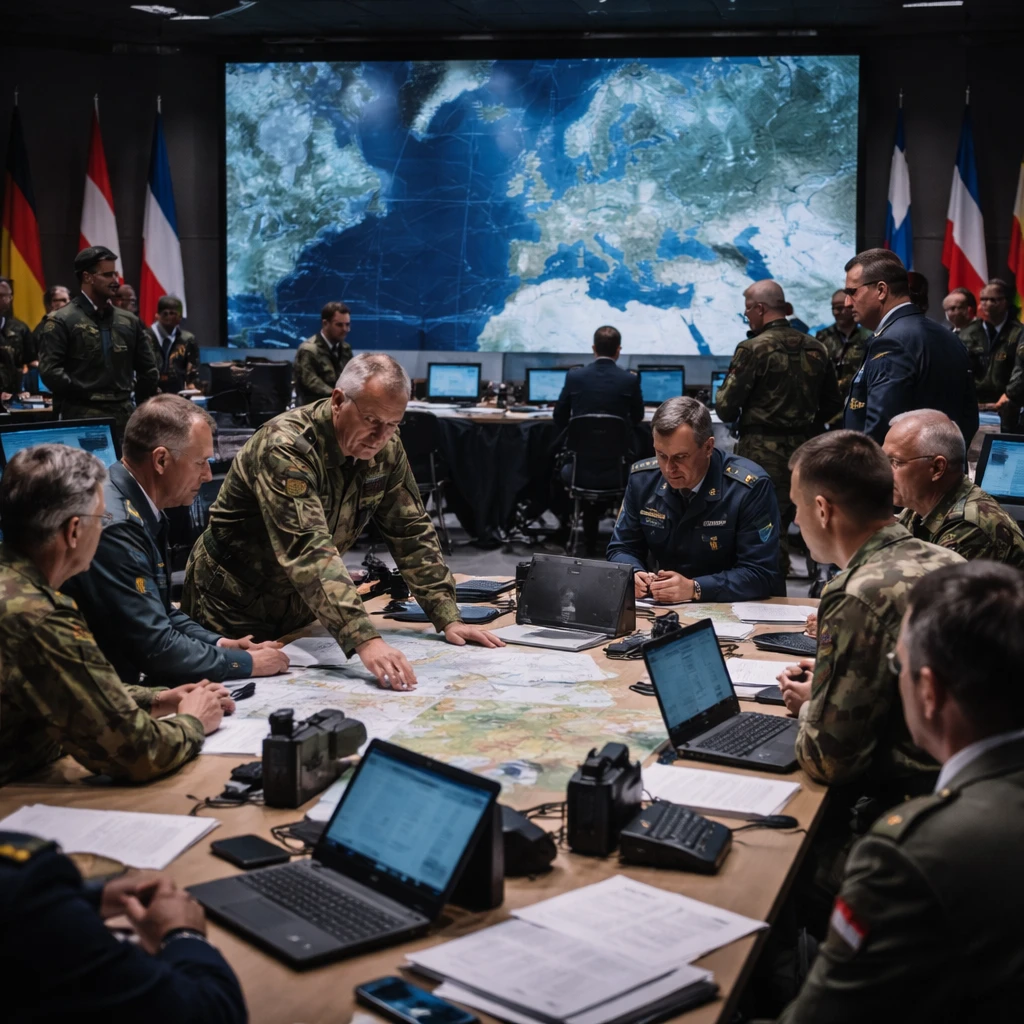
European governments are advancing a contingency blueprint aimed at ensuring the continent’s self-defense capability in the event the United States opts to step away from the NATO alliance. The concept would make use of NATO’s current military frameworks while increasing European responsibility for operational leadership and military capabilities.
Political momentum and German stance
The plan has won notable support from Germany, marking a shift from Berlin’s previous reluctance to pursue a European defense posture that did not rely heavily on American assistance. That hesitation, according to officials involved in discussions, has begun to ease as repeated public statements from the U.S. President have raised doubts about Washington’s long-term role as Europe’s security guarantor.
Operational changes proposed
Planners involved with the initiative are considering steps that would place more European personnel into NATO command-and-control positions and add European military assets to complement existing U.S. forces. Implementing these changes would involve substantial restructuring because NATO’s current setup depends heavily on American leadership in areas such as logistics and intelligence.
Context driving the effort
European concern about defense readiness has intensified as Russia’s multiyear war in Ukraine continues. In parallel, the U.S. President has publicly criticized NATO’s performance during developments related to the Iran war, saying the alliance has not done enough to help reopen oil shipping through the Strait of Hormuz. He has also signaled he is reconsidering U.S. membership in the alliance.
Another factor amplifying European unease is the President’s suggestion that the United States might move to take control of Greenland, a semiautonomous territory of NATO member Denmark. Officials say that episode has accelerated doubts about U.S. commitment to NATO.
Implications and next steps
Officials working on the contingency emphasize the approach would leverage existing NATO structures rather than create a wholly separate European military organization. Details remain under development as governments weigh how to reassign leadership roles and build complementary capabilities without introducing new command fragmentation.