
Stock Markets June 22, 2026 12:38 PM

Centrica to Boost U.S. LNG Purchases as It Broadens Supply Base

CEO says company will expand U.S. trading activity and seek additional supply routes while expecting subdued global LNG prices through 2030

By Hana Yamamoto
Share
Twitter Reddit Facebook LinkedIn

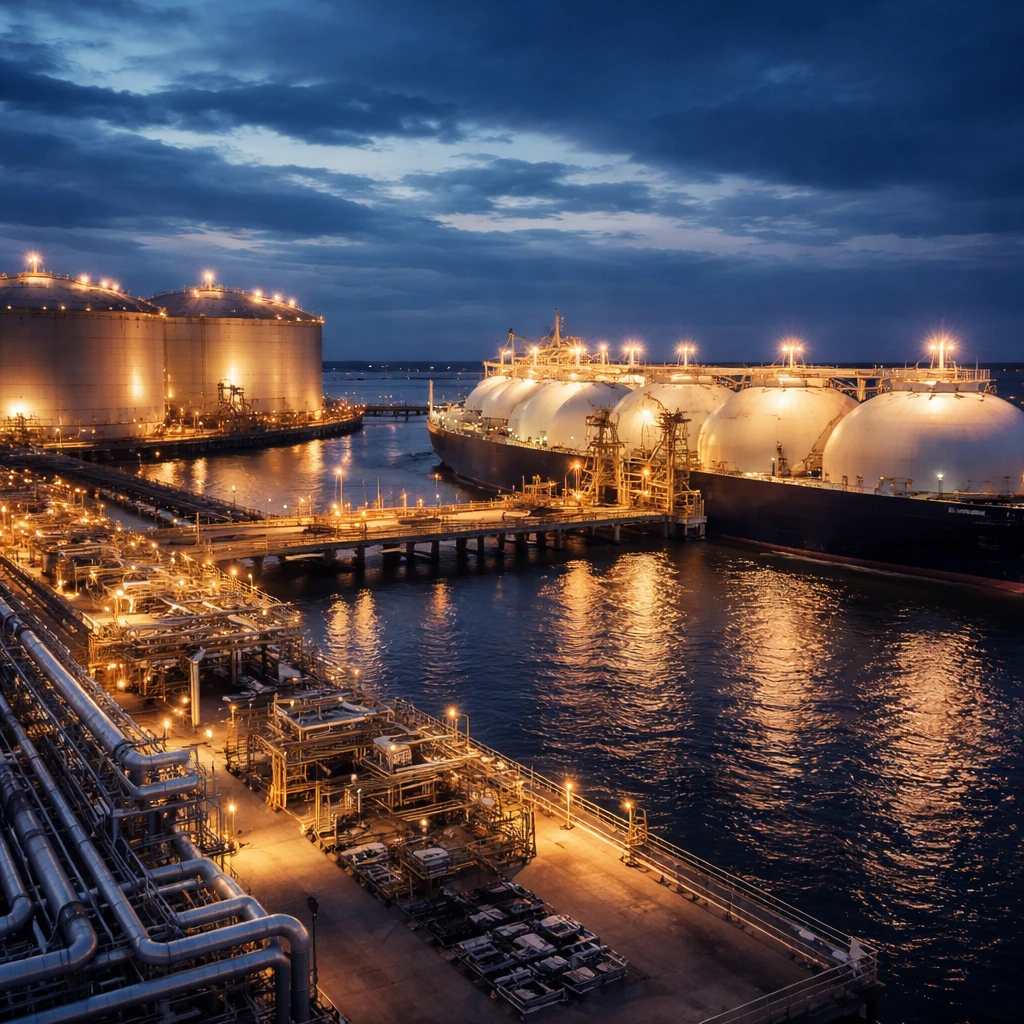
Centrica Plc plans to increase liquefied natural gas purchases from the United States as part of a broader effort to diversify its supply sources amid geopolitical tensions. CEO Chris O’Shea said the company sees the U.S. as a dependable partner, is expanding trading operations in New York, and is exploring additional supply options in Canada and other locations. Centrica currently holds agreements with Sabine Pass and a proposed Delfin offshore project, and has signed gas contracts with Devon Energy and Coterra Energy. Management expects weak global LNG prices through 2030 while forecasting strong demand driven by rising power consumption and shifts from coal to gas.

Centrica to Boost U.S. LNG Purchases as It Broadens Supply Base
Summarize with
ChatGPT Perplexity Claude Grok Gemini

Key Points

  • Centrica intends to increase LNG purchases from the United States and expand its trading operations there, viewing the U.S. as a reliable partner.
  • Existing agreements include Cheniere Energy's Sabine Pass facility and Delfin Midstream's proposed offshore export project; Centrica also has gas supply contracts with Devon Energy and Coterra Energy.
  • Company plans include exploring supply options in Canada and other locations, and potentially enlarging its roughly 20-person New York trading office to trade physical gas at major hubs. Sectors impacted include energy, utilities, and commodity trading.

Centrica Plc is moving to increase its purchases of liquefied natural gas (LNG) from the United States as the British utility looks to broaden where it sources fuel amid heightened global geopolitical tensions. The company’s chief executive, Chris O’Shea, said in a New York interview that Centrica regards the U.S. as a reliable partner and intends to expand its trading footprint there.

Current commercial arrangements include deals tied to Cheniere Energy Inc.'s Sabine Pass export facility and an agreement related to Delfin Midstream's proposed offshore export project. In addition, Centrica has signed gas supply contracts with Devon Energy Corp. and Coterra Energy Inc., underpinning its existing U.S.-linked procurement.

O’Shea emphasized that Centrica does not want to be dependent on a single source for product supply, and the company is actively evaluating further options in Canada and other locations beyond its present U.S. arrangements. That stance reflects an effort to diversify supply channels rather than concentrate exposure on one supplier or region.

The company may expand its New York trading office, which currently employs roughly 20 people, as it assesses opportunities in the U.S. domestic market. Centrica is considering trading physical gas at major hubs, a step that would deepen its participation in U.S. gas markets and broaden its operational trading activities.

On market outlook, Centrica expects global LNG prices to remain weak through 2030. At the same time, the company anticipates persistent demand for the fuel, citing rising power consumption and the ongoing shift from coal to gas in various regions as drivers of that demand. O’Shea added that gas will remain part of the energy mix for the next 20 years.

Separately, the article notes the United Kingdom government's objective to decarbonize its power system by 2030, a policy aimed at reducing both emissions and energy costs. Centrica’s procurement and trading strategy, according to the company’s statements, is being shaped in the context of these long-term demand expectations and domestic policy goals.


Contextual note - The company has outlined a multi-pronged approach: widening geographic sourcing, enlarging trading capabilities, and maintaining an outlook on market pricing and demand through 2030.

Risks

  • Concentration risk in supply - Centrica stated it does not want to rely on a single source, indicating the company faces supply concentration risks that could affect its procurement and operations. This is relevant to the energy and utilities sectors.
  • Market price risk - Management expects global LNG prices to remain weak through 2030, a dynamic that presents revenue and margin considerations for producers and traders in the energy sector.
  • Demand-supply uncertainty - Although Centrica projects continued demand driven by rising power consumption and a shift from coal to gas, the interplay between demand trends and weak prices through 2030 creates uncertainty for traders and downstream energy consumers.

More from Stock Markets

Unifor Opens Bargaining with Ford as Countdown Begins to Detroit Three Contract Deadlines Jun 22, 2026 Google DeepMind and A24 Form Research Partnership to Explore AI-Driven Filmmaking Workflows Jun 22, 2026 Italian acquirer Bending Spoons files for up to $1.62 billion U.S. IPO, eyes Nasdaq debut Jun 22, 2026 Unifor Opens Talks with Ford Representing 5,150 Canadian Workers Jun 22, 2026 Prysmian to manufacture Italy-Tunisia submarine cables at Naples facility Jun 22, 2026