
Shares of Bombardier have pulled back amid market concerns about tariffs and potential disruptions to its supply chain, but BMO Capital Markets argues the market reaction is excessive and that the company's fundamentals remain intact.
Broker view and valuation
BMO reiterated an Outperform rating and set a new price target of C$375, up from the company’s C$304.30 closing price on Sept. 3. That target implies about a 23% total return from the Sept. 3 close. The brokerage said it does not see any material impact from tariffs and expects aerospace to remain exempt even if trade tensions between Canada and the United States intensify.
Supply-chain strategy
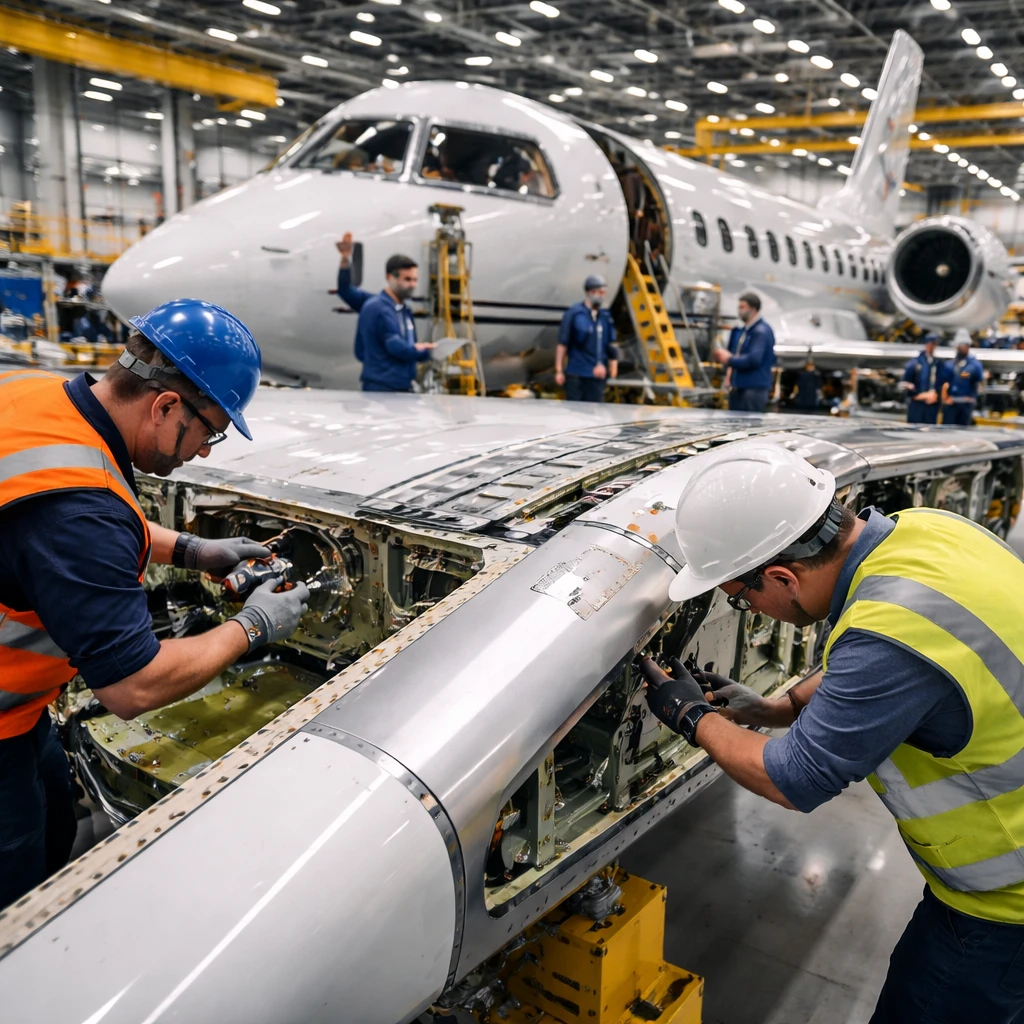
Part of BMO’s constructive stance rests on Bombardier’s planned acquisition of MHI Canada Aerospace, a supplier of wings for the Global 5500, Global 6500 and Challenger 3500 aircraft. The bank said bringing more of the supply chain in-house should reduce production risk as output increases, while offering the potential for cost savings over time.
Demand, productivity and order pipeline
BMO reported that demand activity and the company’s order pipeline are tracking in line with, or ahead of, expectations. According to the brokerage, neither tariffs nor prevailing interest rates are producing any discernible pressure on demand. The summer period also allowed Bombardier to improve productivity across several production lines, BMO added.
Cash flow and shareholder returns
The brokerage said it remains confident in its third-quarter and full-year 2026 forecasts, which include C$1.4 billion in free cash flow. With leverage on track to reach management’s target by year-end, BMO noted that shareholder distributions could commence as early as 2027. The firm added that robust cash generation should permit continued investment in higher-growth areas such as aftermarket services and defense.
Bottom line
BMO’s analysis frames the recent price weakness as an opportunity rather than a signal of deteriorating demand or structural financial strain. The brokerage’s view rests on expectations of tariff exemptions, supply-chain risk mitigation through the MHI Canada Aerospace acquisition, sustained order momentum and projected free cash flow that supports balance sheet improvement and future shareholder returns.