
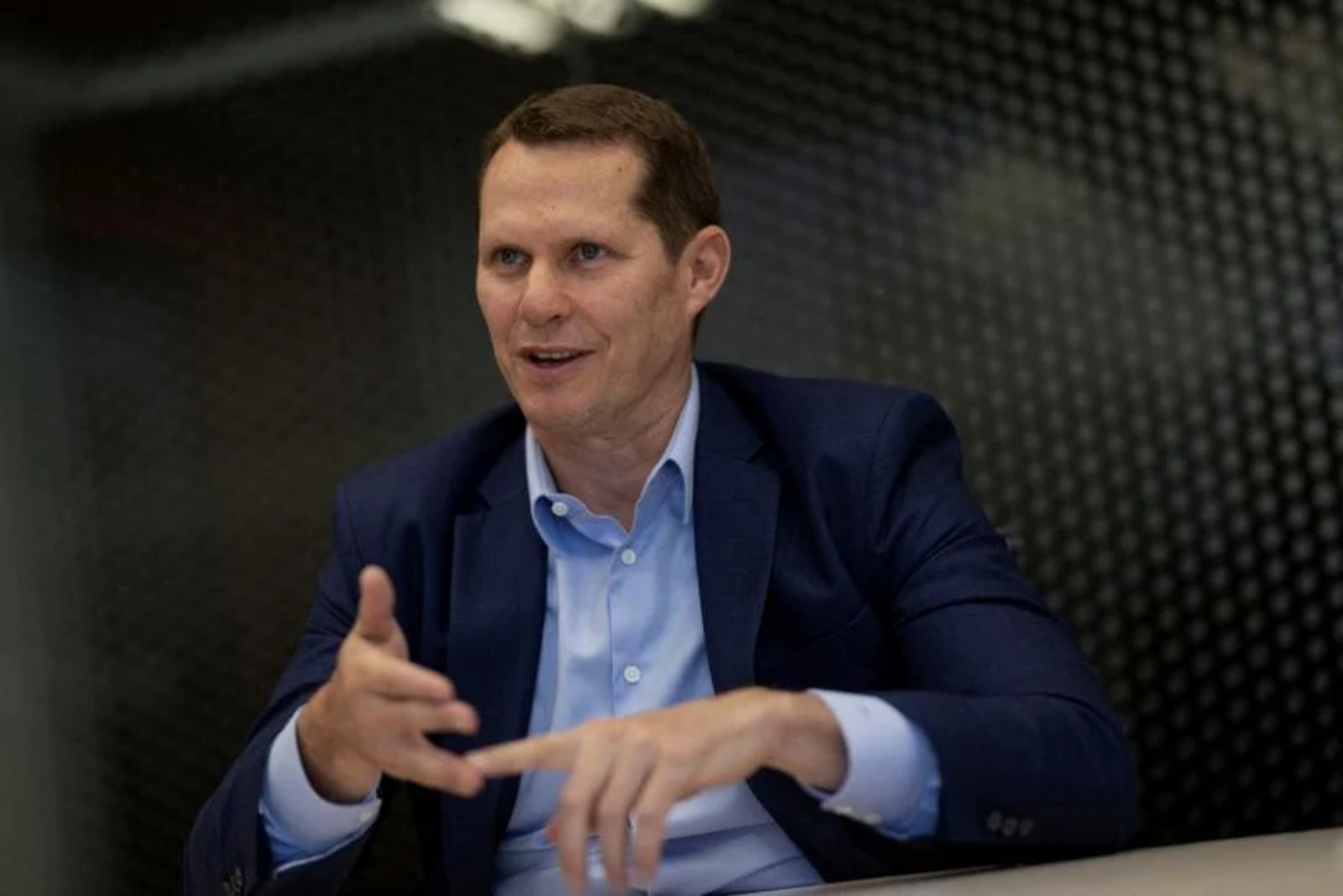
Brandon Craig will assume the role of chief executive at BHP on July 1, stepping into a position defined by operational pressure, elevated costs and a market sensitive to strategic moves. His first weeks in the top job will be marked by potential industrial action in Australia’s iron ore region, scrutiny over a large charge at Jansen, and decisions on several large-scale projects that could shape the miner’s capital plan.
Shares in BHP have been trading near a record high reached last week, as investors weigh demand prospects for copper and other metals tied to data centres, energy and defence applications. Yet that market optimism sits beside fresh concerns about inflationary pressures and project cost control.
Elan Miller, a deputy portfolio manager at Blackwattle Investment Partners which holds BHP stock, said cost control is a priority in the current inflationary environment, particularly following the Jansen setback. BHP last week disclosed it would take a $2.3 billion charge after overruns and a delay at its Jansen Stage 2 project, work that was under Craig’s oversight while he led the company’s Americas business.
Analysts and investors are closely watching how capex trends evolve after that announcement. Glyn Lawcock, head of resources research at Barrenjoey in Sydney, noted capex increases are now a focal point for the market, pointing to multiple major projects that remain underway within the group.
Those projects highlighted by analysts include the Vicuna copper joint venture spanning Argentina and Chile and the Copper South Australia initiative, where a decision on a multibillion-dollar smelter expansion is expected by year-end. Labour relations and productivity across BHP’s South American and Australian operations were also raised as key operational considerations by Miller.
Labour tensions in Australia represent an immediate and tangible test for Craig. Union activity has escalated at BHP’s Port Hedland operations, the centre of the country’s iron ore industry, with union leaders threatening coordinated industrial action for the first time in decades should talks on July 7 fail to produce agreement.
Mergers and strategic growth - cautious and selective
Craig is not expected to immediately replicate the aggressive acquisition style of his predecessor, but M&A has not been ruled out strategically. In recent years BHP had pursued Anglo American only for that company to instead agree a merger with Teck Resources. Market participants say that once the Anglo-Teck combination completes, a newly merged entity could become attractive to bidders again depending on valuations.
Baden Moore, an analyst with CLSA in Sydney, said diversified miners including BHP and peer Rio are likely to pursue growth both organically and via selective inorganic moves, and that BHP’s valuation premium places it in a favorable position to consider deals. Glencore has publicly signalled ambitions to expand and provide liquidity to large shareholders, but it has been rebuffed in approaches for Rio Tinto, with discussions constrained by a six-month standstill.
Sources cited in market coverage during March said Glencore’s chief executive was hoping a rise in coal prices might reopen discussions with Rio Tinto. Observers familiar with Glencore’s thinking acknowledged that a friendly overture to rivals, including BHP, could not be categorically dismissed. Both Glencore and BHP declined to comment when asked about potential merger activity.
Uranium - interest tempered by scale and returns
BHP has increased commentary around uranium in recent months, but the company and investors emphasise the constraints posed by the market’s small size and the difficulty of generating attractive returns. Craig told an investor he would take a "really good look at uranium, but scale is hard," according to that investor, who declined to be named due to company policy.
Market participants expect uranium demand to rise as data centres and other power-hungry infrastructure push demand for new generation capacity, including nuclear, and as governments reassess energy mixes in response to geopolitical tensions. Within Australia, BHP already produces uranium as a byproduct from Olympic Dam, contributing roughly 5% of global supply, but the company has so far ruled out any significant ramp-up in that commodity.
BHP management has described uranium as a "future-facing commodity" with an improving demand profile. In May the company’s chief financial officer, Vandita Pant, said BHP regularly reviews its core commodities and is "very comfortable" with its Olympic Dam position. Craig told attendees at a Bank of America conference in May that he would consider bolt-on acquisitions that deliver value, indicating a preference for targeted additions rather than headline-grabbing deals.
Leadership turnover and succession dynamics
Craig’s appointment in December surprised some observers and may precipitate changes among senior ranks. Industry norms and historical trends suggest CEO transitions often lead to turnover in the top tier of management, with roughly a third of senior executives departing within a few years, a pattern BHP’s chairman described earlier in the year as a normal outcome of competitive succession processes.
Executives who had been viewed by some investors as potential candidates for the top role included CFO Vandita Pant and Australia President Geraldine Slattery. As Craig settles into the role, the company faces the task of stabilising leadership while addressing operational, labour and capital allocation challenges.
Outlook
Craig takes the reins as BHP navigates a complex mix of pressures and possible opportunities. The immediate tests are operational and financial - resolving labour disputes in Port Hedland, containing capex escalation following Jansen Stage 2, and advancing decisions on key copper projects - while strategically the company appears open to selective, value-accretive acquisitions and is monitoring the evolving uranium demand story.