
Overview
A fortnightly survey of 10 economists, analysts and traders reveals a moderation in negative positioning on the Indonesian rupiah and the Indian rupee, with both currencies retreating from multi-month peak short bets. Participants attributed the pullback in part to a normalisation in crude prices and to central bank and policy measures designed to attract foreign capital and defend local exchange rates.
Where bearishness remains concentrated
Even as short interest eased for the rupiah and rupee, the poll showed persistent and, in some cases, deep bearish positioning across much of the rest of Asia. The South Korean won and the Thai baht emerged as the most out-of-favour currencies in the latest survey, with the won replacing the rupiah at the top of the list of currencies subject to negative sentiment. Positions on the Chinese yuan were trimmed to levels last seen in early April, reflecting reduced appetite for long yuan exposure in the pooled view of respondents.
Drivers cited by respondents
Respondents pointed to a fall in crude prices - following developments that eased tensions in the Gulf and reopened the Strait of Hormuz - as a significant factor relieving some pressure on Asia ex-Japan currencies. That decline in oil costs was described as providing welcome relief, and it was amplified in the market by short-covering and discrete policy interventions aimed at improving carry profiles and attracting dollar inflows.
Policy moves exerted a particularly notable influence on emerging market sentiment in two cases cited in the poll. Indonesia's central bank raised rates by 100 basis points within a month, a move that participants said helped stabilise the rupiah and improved its carry proposition. In India, central bank measures to defend the currency and draw dollar flows coincided with short positions on the rupee falling to their lowest level in 11 months.
Specific currency developments
Negative sentiment on the Indonesian rupiah fell to its lowest level since mid-April in the latest responses, though respondents still judged the rupiah to be firmly net short. The survey recorded concerns among participants about fiscal discipline, central bank independence and the spectre of an MSCI downgrade to frontier market status as continuing overhangs on Indonesian markets. The responses were collected prior to MSCI's decision to defer any reclassification of Indonesia's market status until November - a postponement that market participants were aware of in the reporting window. The survey noted that a downgrade, if it were to occur, would trigger outflows on the order of tens of billions of dollars from index-tracking funds.
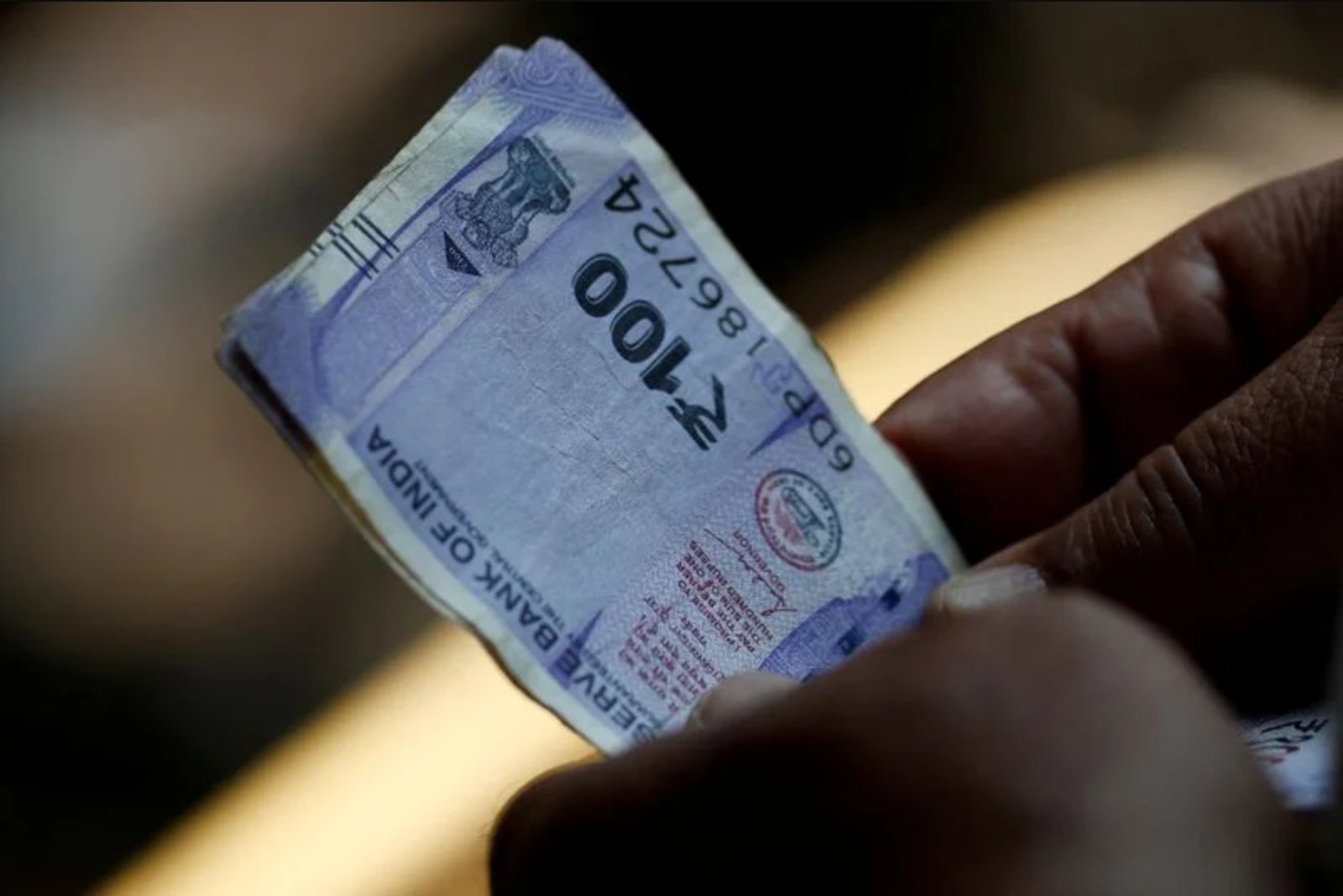
The Indian rupee saw its short positions reduce to the lowest level in 11 months, with respondents pointing to recent central bank steps to defend the currency and to measures intended to attract dollar liquidity. Short positions on the Philippine peso likewise eased, sliding to readings last seen in mid-March.
Short bets on the Malaysian ringgit, by contrast, rose sharply to their highest reading in more than 16 months. Respondents linked the increased negativity on the ringgit to expectations of higher U.S. interest rates and to domestic political risks. The Singapore dollar also drew a slightly bearish tilt in the latest poll - the first such shift in seven months - while the Taiwan dollar's positioning was largely unchanged.
Market commentary and risk considerations
Vishnu Varathan, head of economics and strategy at Mizuho Bank, told respondents that the crude price decline and reopening of a key shipping chokepoint had eased pressure on Asia ex-Japan currencies, an effect compounded by short-covering and policy interventions. He cautioned, however, that a hawkish U.S. Federal Reserve could reintroduce a layer of pressure on Asian currencies - especially in markets where domestic policy tightening has lagged - because higher U.S. Treasury yields could more than offset the softer oil dynamic.
Survey participants flagged the U.S. policy outlook as a material external factor. Market-implied odds derived from CME FedWatch, as cited in the poll, placed the chance of at least a 25 basis-point Fed rate increase at 33% for July, and the probability of a hike by September at 64%.
The South Korean won has weakened by more than 7% since late February, according to the responses, a decline largely attributed to foreign capital outflows. Varathan added that further downside risk could stem from a sustained drawdown in Korean equities related to structural or sectoral shocks, which could spill over into broader currency pressures.
Poll mechanics and latest positioning scores
The survey focuses on perceived net long or net short market positions across nine Asian emerging-market currencies: the Chinese yuan, South Korean won, Singapore dollar, Indonesian rupiah, Taiwan dollar, Indian rupee, Philippine peso, Malaysian ringgit and the Thai baht. Respondents rate positions on a scale from minus 3 to plus 3, where plus 3 indicates the market is significantly long U.S. dollars. The figures include positions held through non-deliverable forwards (NDFs).
In the latest snapshot of positioning (25-Jun), the poll reported the following net positions versus the U.S. dollar: Chinese yuan -0.9; South Korean won 1.63; Singapore dollar 0.17; Indonesian rupiah 1.56; Taiwan dollar 0.61; Indian rupee 0.54; Malaysian ringgit 0.59; Philippine peso 1.05; Thai baht 1.08. These readings reflect the relative balance of long and short trades in the eyes of the surveyed market participants at the time of polling.
Implications for market participants
For investors and risk managers, the poll's findings underline a mixed picture across Asian FX markets: targeted policy responses and commodity price moves have relieved pressure on some currencies, while others remain exposed to capital outflows and U.S. rate dynamics. The survey's methodology - relying on the judgments of 10 market professionals and incorporating NDF positions - provides a sentiment snapshot that market participants may use alongside other indicators when assessing currency risk and funding strategies.