
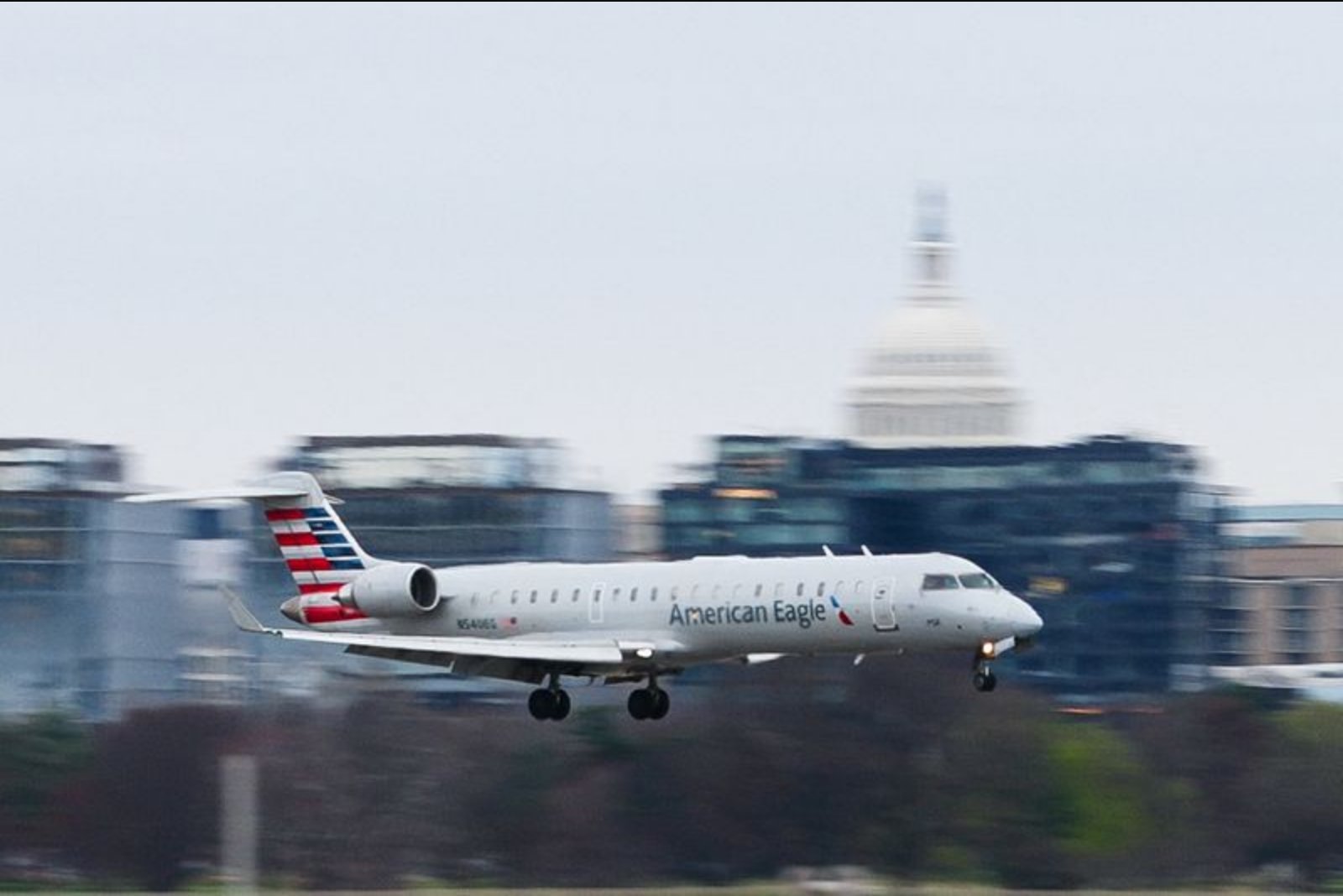
American Airlines is raising a total of $1.14 billion through the issuance of aircraft-backed debt, according to securities filings made public on Monday. The carrier intends to allocate the proceeds to fund 17 new aircraft deliveries, refinance loans tied to 15 existing jets and to cover general corporate requirements.
The financing is being structured as enhanced equipment trust certificates, a form of aircraft-backed security that provides issuers lacking investment-grade corporate credit ratings access to investment-grade debt markets. Under this structure, S&P Global Ratings has assigned an 'A' rating to the longer-dated security, which will raise $905 million for American, while the shorter security of $235.8 million has been rated 'BBB'. S&P’s corporate rating for American Airlines overall remains B+.
The decision to tap this financing channel comes as U.S. carriers are reducing capacity and lowering profit forecasts in the face of rising fuel costs. Jet fuel typically represents roughly one quarter of an airline’s operating expenses. American has said it expects its jet fuel bill this year to increase by more than $4 billion. The airline noted that fuel prices are persisting at around $4 per gallon in the second quarter, contributing to this projected rise.
By issuing two separate equipment-backed securities, American is targeting both new investment and the refinancing of existing financing arrangements for its fleet. The filings indicate the two notes will together provide the $1.14 billion in proceeds that the airline says will fund the specified aircraft purchases and loan refinancings, as well as support broader corporate liquidity needs.
Market participants will be watching how the use of enhanced equipment trust certificates affects American’s funding costs and balance sheet, particularly given the split in ratings between the notes and the airline’s standalone B+ corporate rating. The funding move arrives against a backdrop of higher jet fuel expense and industry-wide operational adjustments as carriers adapt capacity and financial plans to elevated fuel prices.