
Secretary of State Marco Rubio said Monday that the United States will not accept Iran retaining control over passage through the Strait of Hormuz, following the cancellation of negotiations between Washington and Tehran over the weekend.
Speaking on Fox News, Rubio addressed reports that Iran had offered to reopen the strait after talks fell apart. He said the United States cannot agree to any arrangement in which Iran determines which ships are permitted to transit the waterway or charges fees for passage.
"If what they mean by opening the straits is, 'yes, the straits are opened, as long as you coordinate with Iran, get our permission, or we will blow you up and you pay us,' - that's not opening the straits," Rubio said. "They cannot normalize - nor can we tolerate them trying to normalize - a system in which the Iranians decide who gets to use an international waterway and how much you have to pay them to use it."
According to the reports that emerged after the talks collapsed, Iran submitted a proposal to the U.S. to reopen the Strait of Hormuz and end the war while postponing more complex discussions about its nuclear program. U.S. officials, including President Donald Trump, have said Iran's nuclear activities were the main reason for the U.S. and Israeli military action against Tehran.
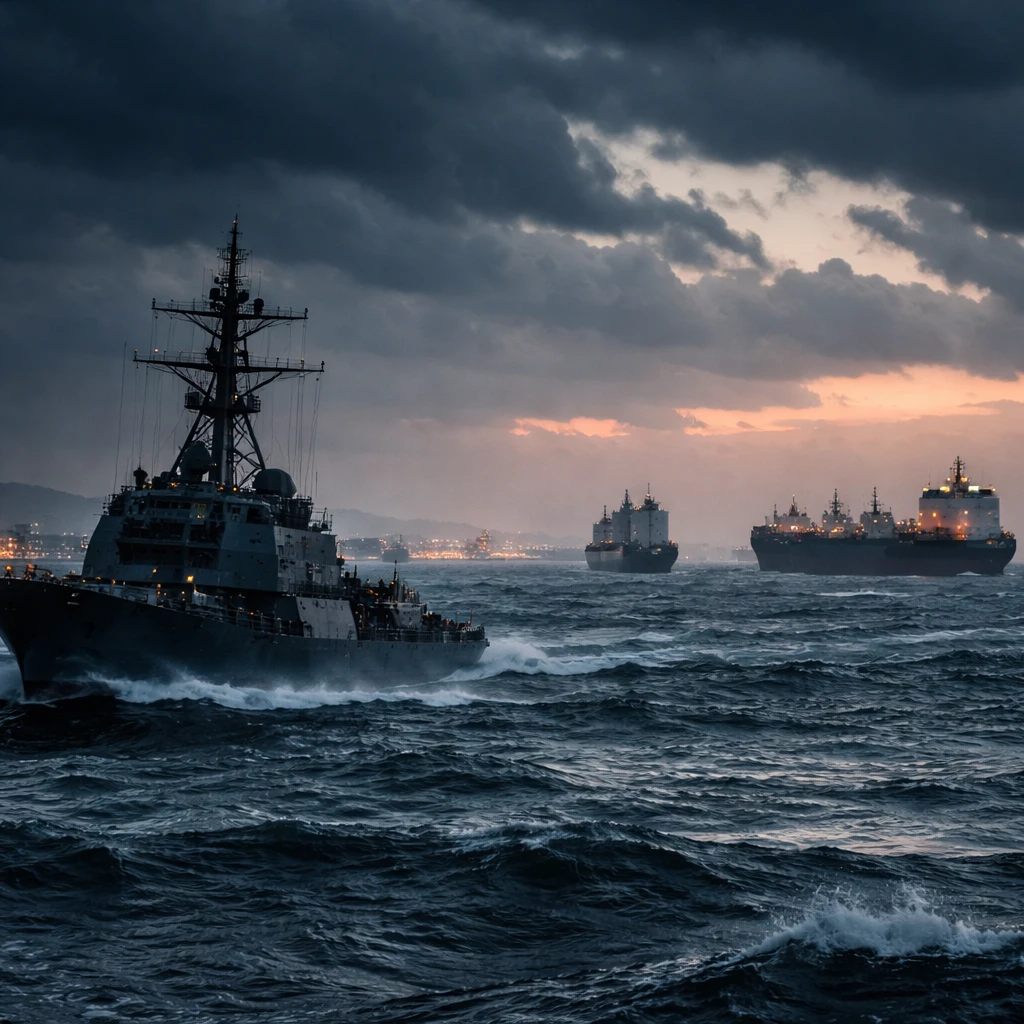
The Strait of Hormuz is a critical chokepoint for energy shipments, typically handling about one-fifth of global oil and liquefied natural gas exports. The waterway has been closed since the U.S. and Israel attacked Tehran in late February. The initial shutdown followed Iranian threats, and the U.S. has since enforced a naval blockade intended to prevent vessels with links to Iran from using the route.
Despite a ceasefire that has largely held since early April, the strait has remained closed. The current standoff over control of transit through this international waterway underscores persistent tensions between Washington and Tehran after the breakdown of direct negotiations.
Key points
- U.S. leadership, as stated by Secretary of State Marco Rubio, rejects any arrangement that allows Iran to police or levy payments for passage through the Strait of Hormuz - sectors affected include energy, shipping, and defense.
- Reports indicate Iran offered to reopen the strait and seek an end to the war while deferring tougher talks on its nuclear program - the proposal emerged after negotiations collapsed over the weekend.
- The Strait of Hormuz typically carries about one-fifth of global oil and LNG exports, and it has been closed since attacks on Tehran in late February; a U.S. naval blockade is in place to stop Iran-linked vessels from transiting.
Risks and uncertainties
- Uncertainty over control of the strait poses risks to global energy flows and markets, notably oil and LNG - disruptions could affect energy prices and related sectors.
- Ongoing naval enforcement and the closure of a major shipping lane raise risks for international shipping and logistics, creating potential disruptions to trade routes and insurance costs.
- The breakdown of talks and differing views on reopening terms create diplomatic uncertainty, with implications for defense deployments and regional security planning.