
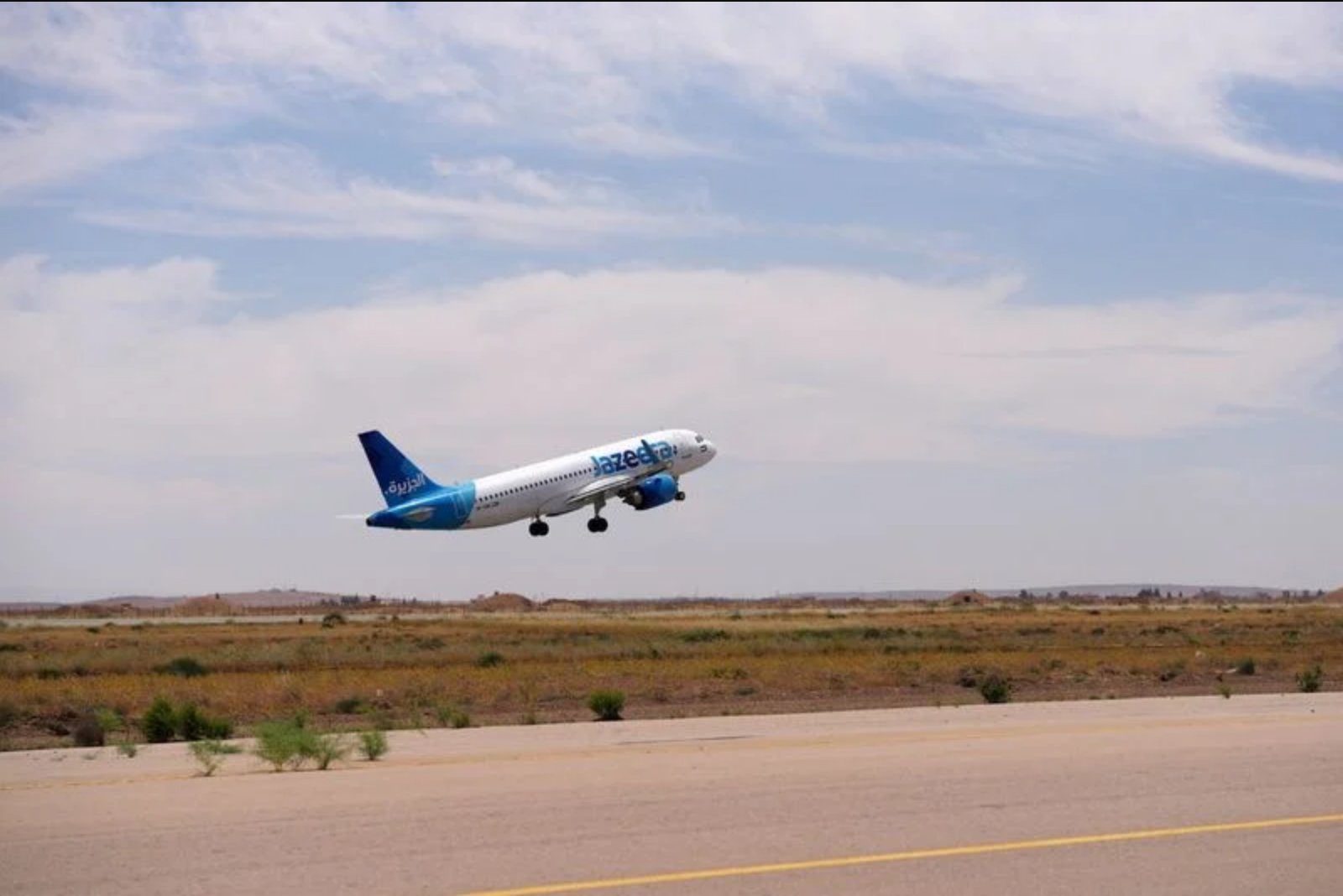
Airlines are making measured moves to reinstate services to the Middle East after severe network disruption linked to the Iran war, but the wider pattern of rerouted and suspended flights remains in place for many international operators.
Regional carriers have added capacity as they seek to rebuild schedules, yet numerous non-Gulf carriers continue to divert Europe-Asia and other long-haul services to avoid airspace over or near the conflict zone. The result is a mixed recovery: some routes are restarting or expanding while others remain paused for weeks or months.
Latest operational status - alphabetical by carrier:
- AEGEAN AIRLINES - Greece’s largest carrier has cancelled Thessaloniki-Tel Aviv services until June 26. Its flights to Dubai are suspended through August 31, and services to Erbil and Baghdad are cancelled until July 2.
- AIRBALTIC - Latvia’s airBaltic has cancelled flights to Tel Aviv until June 28 and to Dubai until October 24.
- AIR CANADA - The Canadian carrier has cancelled flights to Tel Aviv and Dubai until September 7.
- AIR EUROPA - Air Europa has cancelled its Tel Aviv services until June 28.
- AIR FRANCE-KLM - Air France will suspend its Tel Aviv flights through June 14 and has also suspended services to Beirut and Dubai until June 17. KLM has suspended flights to Riyadh and Dammam until July 12 and to Dubai until August 2.
- CATHAY PACIFIC - The Hong Kong carrier has suspended flights to Dubai and Riyadh until August 31.
- DELTA - The U.S. carrier has suspended Atlanta-Tel Aviv services through December 18. Delta plans to restart New York-JFK to Tel Aviv flights on September 6, while the planned launch of a Boston-Tel Aviv route, originally scheduled for late October, is delayed until further notice.
- FINNAIR - The Finnish carrier has cancelled its Doha flights until October 2 and will continue avoiding the airspace of Iraq, Iran, Syria and Israel. Finnair will restart Dubai flights only in its winter seasonal schedule, in October.
- IAG - IAG-owned British Airways has delayed resuming flights to Doha until August 1 and Riyadh until August 8. Flights to Dubai, Tel Aviv, Bahrain and Amman are paused through the end of the summer season and are scheduled to resume on October 25. When service resumes, BA plans to reduce frequencies to a single daily flight for Dubai, Doha, Riyadh and Tel Aviv and will drop Jeddah as a destination.
- JAPAN AIRLINES - Japan Airlines has suspended scheduled Tokyo-Doha services until July 31 and Doha-Tokyo flights until August 1.
- LOT - The Polish carrier has cancelled flights to Riyadh until June 30 and to Beirut until June 27. LOT intends to operate its winter Dubai route beginning in October.
- LUFTHANSA GROUP - Lufthansa plans to resume flights to Tel Aviv as early as July 1. ITA Airways has confirmed resumption of Tel Aviv services from July 1 as well. SWISS has postponed its resumption of Tel Aviv flights until August, while Brussels Airlines has suspended services until October 24. Lufthansa, SWISS and ITA Airways will maintain suspensions of Dubai flights until September 13. Lufthansa, SWISS, Austrian Airlines and Brussels Airlines have suspended flights to Abu Dhabi, Amman, Beirut, Dammam, Riyadh, Erbil, Muscat and Tehran until October 24. Low-cost Eurowings has suspended flights to Tel Aviv until July 9, to Beirut until June 12, to Erbil until June 22 and to Dubai, Abu Dhabi and Amman until October 24. ITA Airways has extended suspension of flights to Riyadh until June 30.
- MALAYSIA AIRLINES - The carrier will resume limited services to Doha from July 2.
- NORWEGIAN AIR - The low-cost airline has pushed back planned launches of Tel Aviv and Beirut services to June 15.
- QANTAS - Australia’s flag carrier is adding capacity on select European routes in response to higher demand. Qantas will increase flights to Paris to five return services per week (up from three) and will boost the Perth-Singapore service from daily to 10 weekly frequencies. An updated schedule will take effect progressively for services running from mid-April through late July.
- ROYAL AIR MAROC - Flights to Doha are cancelled until June 30.
- PEGASUS - Turkey’s Pegasus Airlines cancelled flights to Erbil, Amman, Baghdad and Beirut that were scheduled for June 8 and 9.
- SINGAPORE AIRLINES - The carrier extended its suspension of the Singapore-Dubai service until August 2. Simultaneously, it has added services on Singapore-London Gatwick and Singapore-Melbourne routes from late March until October 24 to meet higher demand.
- TURKISH AIRLINES - SunExpress, the joint venture between Turkish Airlines and Lufthansa, has cancelled flights to Dubai, Bahrain, Beirut and Erbil until June 30.
- WIZZ AIR - The low-cost carrier has suspended flights from mainland Europe to Dubai, Abu Dhabi and Amman until mid-September.
The operational picture remains uneven. Some carriers, particularly regional Middle Eastern airlines, are adding capacity where feasible, while many international operators continue to protect long-haul networks by maintaining diversions and prolonged suspensions of service to affected destinations.
Passengers and cargo shippers face an uncertain timetable for a full return to pre-disruption routings, as airlines balance demand, safety considerations and regulatory constraints while monitoring developments related to the Iran war.
Summary
Following major disruptions linked to the Iran war, several Middle Eastern airlines have begun to restore routes and add capacity, but many intercontinental carriers continue to reroute or suspend flights to avoid the region. The pattern of cancellations and phased resumptions varies widely by carrier and destination, with some services paused into late summer and autumn.
Key points
- Regional carriers are restoring routes and adding capacity as they recover from severe disruption related to the Iran war.
- Numerous international airlines continue to suspend or reroute flights to and over the Middle East; many suspensions extend into late summer and October.
- The airlines and routes affected include a broad cross-section of the industry, impacting passenger travel and air cargo movement between Europe, Asia and the Middle East.
Risks and uncertainties
- Ongoing conflict-linked developments could force additional route suspensions or delays, prolonging disruptions for both passenger and cargo operations.
- Extended diversions and suspended services increase operational complexity and costs for carriers, which could affect airline capacity planning and network economics in the near term.
- Uncertainty about timing for safe resumption of flights to specific destinations makes demand recovery uneven across markets, complicating scheduling and seasonal planning for affected carriers.
This article records the current publicly announced flight cancellations, suspensions and planned resumptions for the carriers listed above. The situation is evolving and airlines continue to publish operational updates in line with safety assessments and regulatory guidance.