
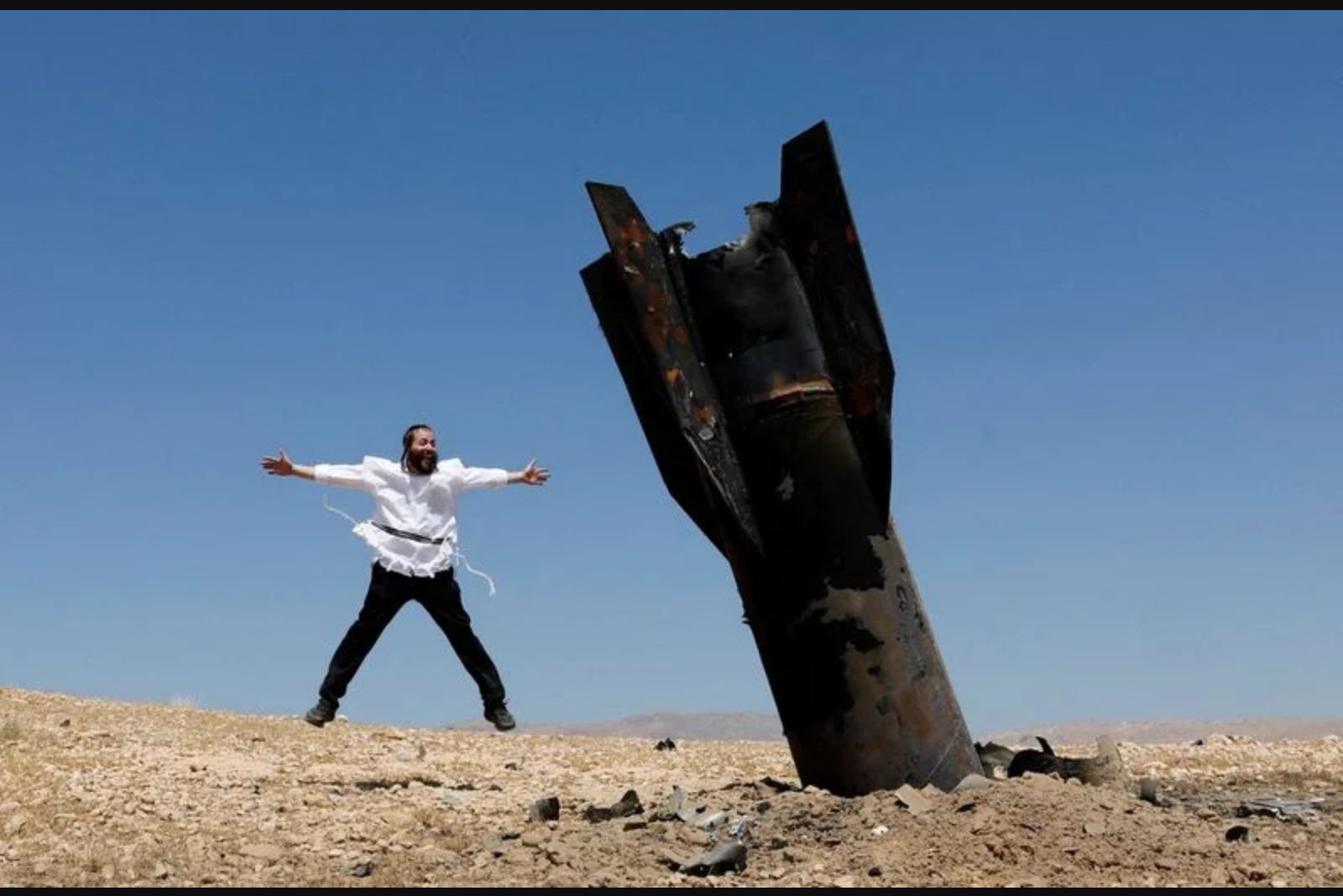
Israel renewed strikes on targets in Iran on Monday, acting despite public calls from U.S. President Donald Trump to refrain from further fighting. The strikes, the first since a ceasefire in April, followed an Iranian missile response to Israeli attacks on Lebanon’s capital. After the exchange, both Tehran and Jerusalem announced an immediate halt to hostilities following Trump’s intervention, while simultaneously reserving the option to resume operations.
Israeli officials framed the limited strike as a message to Washington that any ultimate settlement with Iran cannot ignore Israeli security interests. Danny Orbach, a military historian at Hebrew University, summarized this stance bluntly: "Because if it tramples too heavily on Israeli interests, Israel can overturn the table."
Trump’s exclusion of Israel from negotiations
President Trump, who the article reports launched the war alongside Israel in February, has been pursuing a negotiated settlement with Iran while keeping Israel largely outside those talks. In public statements and private pressures he has urged Israeli Prime Minister Benjamin Netanyahu to avoid actions that could undermine negotiations, including refraining from strikes in Lebanon - where Israel invaded in March in pursuit of Hezbollah.
Iran has said it will not accept any U.S. peace deal unless a ceasefire also applies in Lebanon. The competing demands came into sharp relief last week when Netanyahu reportedly called off planned airstrikes on Beirut after speaking with Trump. The president later acknowledged a heated exchange in which he said he called the Israeli leader "fucking crazy," while also asserting that their personal relationship remained intact.
Netanyahu’s critics at home have argued that by limiting military options to facilitate U.S. negotiations - without securing a formal Israeli role in those talks - he has effectively ceded a degree of sovereignty over Israeli decision-making.
Why Israel struck Iran
The immediate sequence that led to the Monday strikes began with an Israeli attack on Lebanon on Sunday, followed by Iranian missile strikes against Israel in apparent retaliation. Trump publicly urged both sides to stop the escalation. "Each of them had their fun," he told the Axios website. "Israel had its strike and Iran had its strike. We don’t need another one."
Yet Israeli leaders judged that hitting Iran directly was necessary to make clear that Tehran should not be empowered to dictate Israeli actions in Lebanon. A senior Israeli defence official told Reuters the government could not accept a precedent in which Iranian strikes on Israel would be treated as a justified tit-for-tat response to Israeli operations in Lebanon.
According to that same senior defence official and two other Israeli officials familiar with internal deliberations, Prime Minister Netanyahu convened senior security and defence figures to weigh the aims of a potential short-term escalation before ordering the strike on Iran. One explicit objective discussed was to ensure that any future U.S.-Iran agreement would not eliminate Israel’s right to act against Hezbollah in southern Lebanon or require withdrawal of Israeli forces stationed there, the senior official said. The prime minister reportedly raised that issue during weekend phone calls with President Trump.
Following the resumption of strikes on Iran early on Monday, Netanyahu made no public appearances or statements. His office did not immediately reply to a request for comment.
Limits on Israel’s independent campaign capacity
The short return to hostilities and Netanyahu’s decision to press ahead despite U.S. objections underscore persistent tensions between the two conservative leaders. Privately, Netanyahu has admitted difficulties in shifting Trump’s approach to Iran, telling aides he has "no manoeuvre" to influence the president’s decisions.
Military experts note that, although Israel possesses the capability to conduct strikes on Iran without direct U.S. military support, sustaining an air campaign against Iran alone would be challenging over an extended period. "There’s no doubt that Israel (cannot) go alone in this war for a long, long time, because (the) ammunition is consumable," said Yehoshua Kalisky, a senior researcher at Israel’s Institute for National Security Studies.
Analysts and officials cited in the reporting emphasize that prolonged operations would likely require continued U.S. logistical and diplomatic backing. For now, the engagement between Israel and Iran was brief, halted after U.S. intervention, and described by both sides as paused rather than concluded.
Implications
The episode has several immediate implications: it highlights the friction between Israeli strategic imperatives and U.S. diplomatic efforts to negotiate with Iran; it reflects Israeli determination to preserve freedom of manoeuvre against Hezbollah in southern Lebanon; and it exposes limits on Israel’s ability to wage a sustained campaign against Iran without U.S. support. Both Tehran and Jerusalem have signalled a willingness to resume hostilities if political conditions change.
For now, the situation remains fluid. Political and military leaders in Washington, Jerusalem and Tehran have signalled a temporary cessation, but the underlying disputes driving the exchange - particularly Israel’s insistence on retaining the right to target Hezbollah in Lebanon - remain unresolved.