
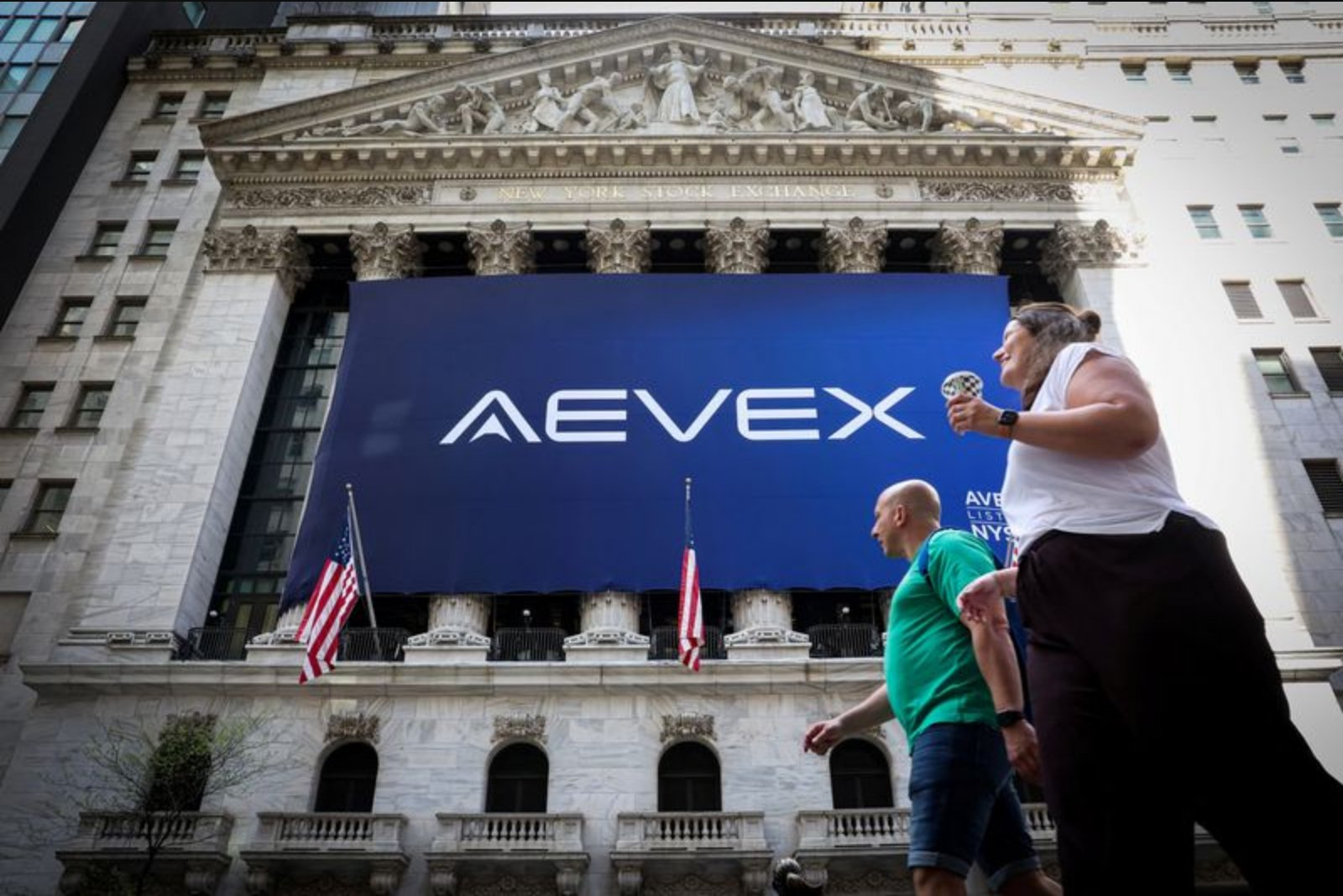
April 17 - Shares of drone manufacturer AEVEX climbed about 15% when they began trading on the New York Stock Exchange on Friday, pushing the firm to an implied valuation of roughly $2.57 billion. The stock opened at $23.01, above the $20 offering price set for the company's U.S. initial public offering.
The Solana Beach, California-headquartered company sold 16 million shares and raised $320 million in the IPO on Thursday. AEVEX supplies airborne intelligence, surveillance and reconnaissance capabilities to the U.S. government and allied partners, operating through two distinct business lines.
Business mix and revenue profile
AEVEX organizes its operations into Tactical Systems and Global Solutions. Tactical Systems - described as the company's core unit - focuses on autonomous defense technologies and generates approximately 75% of overall revenue. Global Solutions provides aircraft modification and engineering support spanning both manned and unmanned platforms.
The firm reported a concentrated customer base, with the U.S. government representing 78% of AEVEX's revenue in 2025. The company warns that reductions or delays in U.S. or foreign government budgets could materially affect its revenue.
Market positioning and ownership
AEVEX joins a group of publicly traded companies offering unmanned aerial systems, alongside peers in the sector, and competes with private firms operating in the same space. Private equity firm Madison Dearborn Partners purchased a majority stake in AEVEX in March 2020 and, according to regulatory filings, currently holds 79.1% of the company’s voting power.
The initial trading strength underscores investor interest in businesses tied to defense spending and unmanned capabilities amid ongoing geopolitical tensions that have elevated demand for such systems. The IPO proceeds and trading debut mark a significant liquidity event for the private equity-backed company.
Contextual note - The company’s two-segment structure, reliance on government contracting, and concentrated ownership are central to understanding its near-term operating and governance dynamics.