
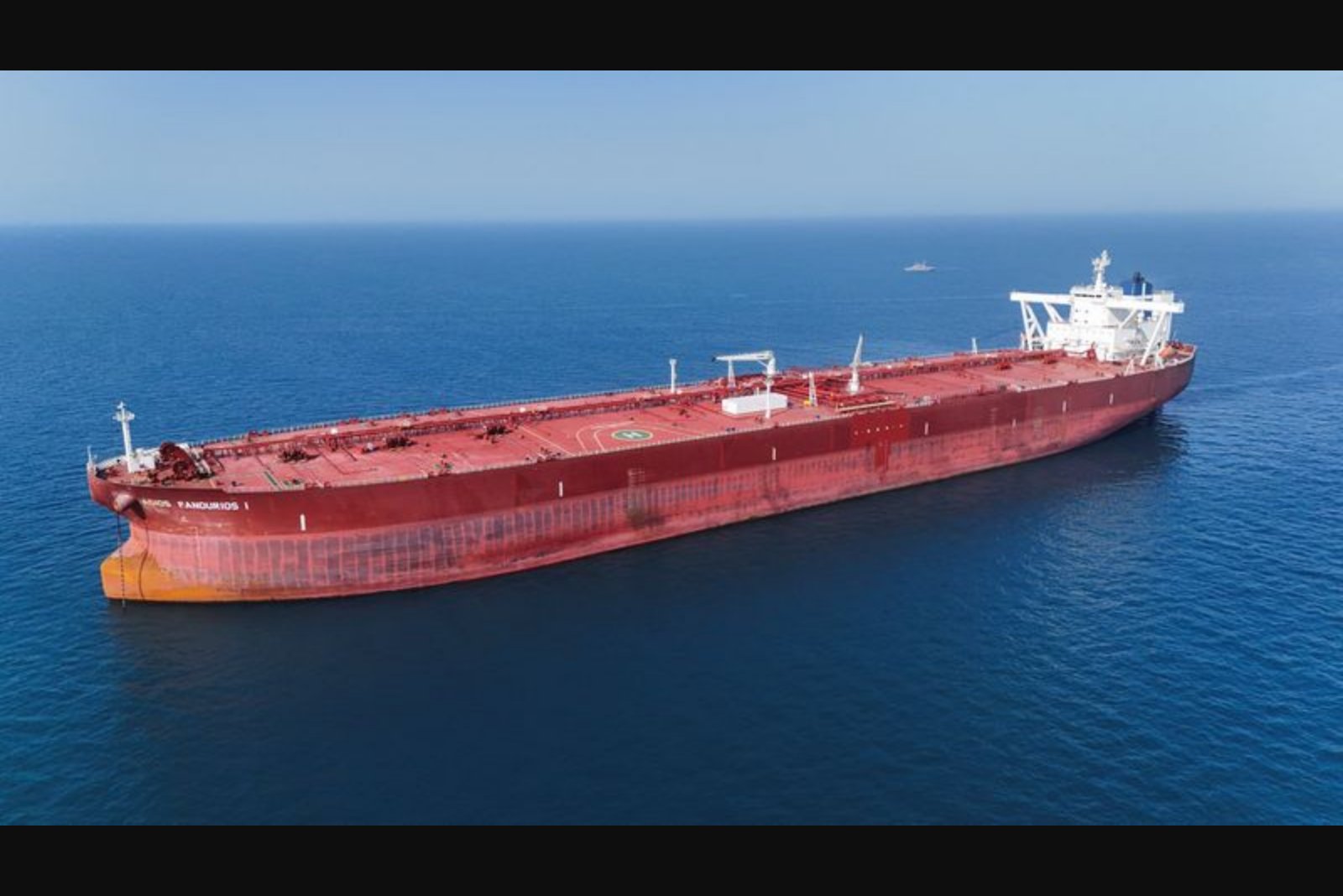
After almost 50 days of conflict centred on Iran, global crude and condensate volumes amounting to more than 500 million barrels have been taken out of the market, according to data and calculations compiled by analysts and Reuters. At average prices of around $100 per barrel during the period, the absent production equates to roughly $50 billion in foregone revenue.
Diplomatic signals have emerged even as the disruption persists. Iranian Foreign Minister Abbas Araqchi said the Strait of Hormuz was open following a ceasefire accord agreed in Lebanon. U.S. President Donald Trump stated he believed a deal to end the Iran war would come "soon", though the timing remains unclear.
Scale of the supply shock
Kpler data indicate the current interruption is the largest energy supply disruption in modern history. The cumulative 500 million barrels removed from the market can be framed in operational terms: Iain Mowat, principal analyst at Wood Mackenzie, said the lost volumes are equivalent to curtailing global aviation fuel demand for 10 weeks; or no road transport by any vehicle worldwide for 11 days; or depriving the global economy of oil for five days.
Reuters estimates place the figure at nearly a month of U.S. oil demand, and more than a month of demand for the whole of Europe. The shortfall also amounts to roughly six years of U.S. military fuel consumption, based on an annual usage figure of about 80 million barrels from fiscal year 2021, and to approximately four months of international shipping fuel needs.
Regional production and export impacts
Gulf Arab producers experienced a sharp contraction in March, losing around 8 million barrels per day of crude output - a quantity comparable to the combined production of major international oil companies such as Exxon Mobil and Chevron. Jet fuel exports from Saudi Arabia, Qatar, the United Arab Emirates, Kuwait, Bahrain and Oman fell from about 19.6 million barrels in February to just 4.1 million barrels for March and April so far combined, according to Kpler data. Reuters calculated that this drop in jet fuel exports would have been sufficient for roughly 20,000 round-trip flights between New York’s JFK and London Heathrow.
Economic valuation and comparative impact
Johannes Rauball, a senior crude analyst at Kpler, highlighted the valuation impact: with crude prices averaging about $100 a barrel since the conflict began, the missing volumes correspond to approximately $50 billion in lost revenues. He noted this sum represents a reduction roughly equivalent to a 1 percent cut in Germany’s annual gross domestic product, or about the full GDP of smaller nations such as Latvia or Estonia.
Inventory movements and path to recovery
Global onshore crude inventories have fallen by roughly 45 million barrels so far in April, Kpler data show. Production outages have risen to about 12 million barrels per day since late March. Recovery timelines vary across fields and facilities. Rauball warned that heavier crude fields in Kuwait and Iraq could need four to five months to return to normal operating levels, likely extending stock draws through the summer.
Damage to refining capacity and to Qatar’s Ras Laffan LNG complex complicates restoration efforts. Analysts say full recovery of regional energy infrastructure could take years, rather than weeks or months, reflecting physical repair timelines and the pace at which complex facilities can be safely returned to service.
Implications for markets and sectors
The interruption affects multiple sectors: aviation and international shipping face constrained fuel supplies, refiners must cope with diminished crude inputs, and national economies that depend on energy exports see sharp revenue declines. The scale of the disruption is large enough to ripple into national GDPs and to strain strategic fuel reserves, while reconstruction of damaged infrastructure may shape energy flows for months and years.
"Curtailing aviation demand globally for 10 weeks; no road travel by any vehicle globally for 11 days; or no oil for the global economy for five days," Iain Mowat, principal analyst at Wood Mackenzie, said when illustrating the scale of the lost volumes.
The conflict's immediate physical and economic toll is clear in the data. Uncertainty over timelines for full restoration of output and infrastructure remains significant, and analysts warn that the aftershocks of the crisis will be felt well beyond the initial 50-day window.