
Commodities June 25, 2026 11:01 PM

Saudi Aramco Restarts Loading at Ras Tanura After Nearly Four-Month Interruption

LSEG shipping data shows two VLCCs taking on cargo at the Gulf terminal as exports previously shifted to Yanbu remain redirected

By Maya Rios
Share
Twitter Reddit Facebook LinkedIn

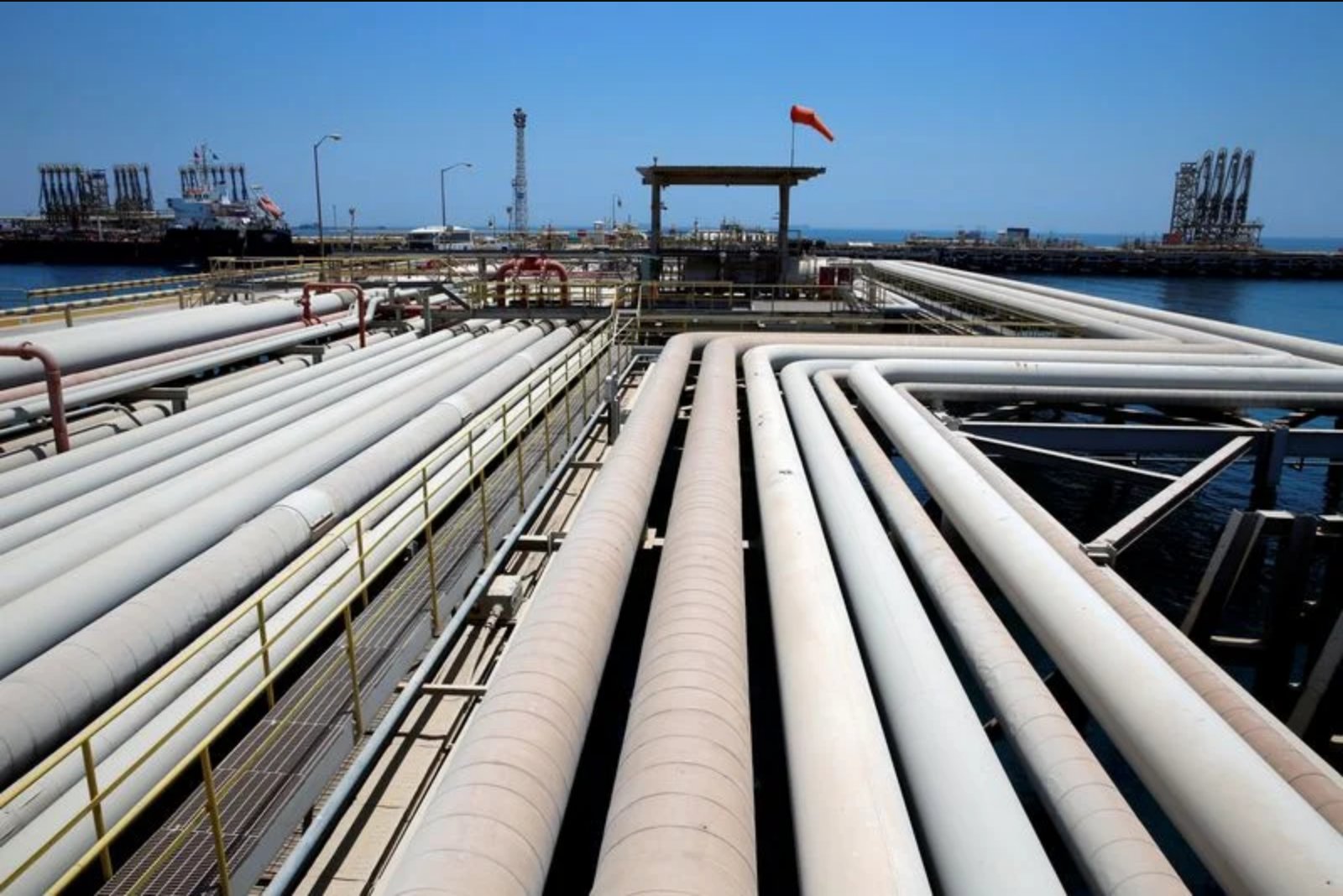
Saudi Aramco has resumed oil loading at its Ras Tanura terminal in the Gulf after a suspension of almost four months, with two Very Large Crude Carriers (VLCCs) observed loading and a third waiting nearby, according to LSEG shipping data. The energy company last loaded from Ras Tanura on March 8 and shifted exports to the Red Sea port of Yanbu following an Iranian blockade of the Strait of Hormuz that impeded Gulf access. Regional producers are increasing output and shipments after an interim deal between the United States and Iran paused the conflict.

Saudi Aramco Restarts Loading at Ras Tanura After Nearly Four-Month Interruption
Summarize with
ChatGPT Perplexity Claude Grok Gemini

Key Points

  • Two VLCCs were observed loading crude at Ras Tanura, with a third waiting nearby - each VLCC has a loading capacity of 2 million barrels. (Impacted sectors: oil shipping, crude exporters)
  • Saudi Aramco last loaded from Ras Tanura on March 8 and had diverted exports to Yanbu after an Iranian blockade of the Strait of Hormuz prevented access to the Gulf. (Impacted sectors: Middle Eastern export logistics, refining hubs reliant on Gulf loadings)
  • Middle Eastern producers have been raising output and shipments following an interim U.S.-Iran agreement to halt the war, which coincided with the resumption of Gulf loadings. (Impacted sectors: global oil supply, commodity markets)

Saudi Aramco resumed crude oil loading operations at its Ras Tanura terminal in the Gulf on Friday after a near four-month stoppage, shipping-tracking data from LSEG indicates.

The data showed two Very Large Crude Carriers (VLCCs) actively loading cargo at the terminal while a third VLCC was waiting nearby. Each VLCC has the capacity to load 2 million barrels of crude.

Attempts to reach Saudi Aramco for comment were unsuccessful outside office hours.


Background and recent movements

The last recorded cargo loading from Ras Tanura was on March 8, when a shipment was bound for China. Following that date, Saudi Aramco diverted its exports to the Red Sea port of Yanbu. That diversion occurred after an Iranian blockade of the Strait of Hormuz - implemented during its war with the United States and Israel - prevented tankers from entering the Gulf.

The LSEG data does not provide additional detail on which buyers are taking the newly loaded cargoes, nor does it disclose the specific timing of the individual loadings beyond the observed presence of the VLCCs at the Ras Tanura berth.


Regional production and export context

Shipping data and market observations cited show that Middle Eastern producers have been increasing output and exports in the wake of an interim agreement between the United States and Iran to halt the war. The data suggests a shift in logistics as Ras Tanura returns to active loading following the months-long rerouting of exports to Yanbu.


What is known and what is not

  • Known: Two VLCCs were seen loading at Ras Tanura, and a third waited nearby, per LSEG data.
  • Known: Each VLCC carries about 2 million barrels of oil.
  • Known: Saudi Aramco last loaded a cargo from Ras Tanura on March 8 and had rerouted shipments to Yanbu due to an Iranian blockade of the Strait of Hormuz during its war with the United States and Israel.
  • Unknown: Company comment outside office hours; specific buyers and destinations for the resumed loadings were not detailed in the available shipping data.

Risks

  • Continued access constraints - the earlier Iranian blockade of the Strait of Hormuz demonstrates that maritime access can be disrupted, posing a risk to shipping and export logistics. (Impacted sectors: tanker operators, export supply chains)
  • Limited public comment - Saudi Aramco could not be reached for immediate comment outside office hours, leaving uncertainties about timing and volumes of resumed exports. (Impacted sectors: market participants relying on timely company updates, commodity traders)
  • Data limitations - LSEG shipping data identifies vessels loading or waiting but does not disclose buyers or final destinations, which leaves demand-side clarity incomplete. (Impacted sectors: refiners, trading desks, supply analysts)

More from Commodities

Gold Falls for Fourth Straight Week as Dollar Strength and Fed Hike Odds Rise Jun 26, 2026 Oil Prices Slip as Strait of Hormuz Shipments Resume After Attack Near Oman Jun 25, 2026 Oil Falls As Strait of Hormuz Traffic Recovers; Weekly Loss Streak Continues Jun 25, 2026 Power Failures Reported Across Russian-Controlled Kherson, Crimean Services Curtailed Jun 25, 2026 Global Aid Mobilizes After Powerful Quakes Devastate Western Venezuela Jun 25, 2026