
Economy June 27, 2026 04:42 PM

World Bank OKs $1.1 Billion Emergency Package for Bangladesh to Offset Middle East Price Shock

Funding earmarked for fertilizer imports, household cash support, small businesses and critical fuel and energy supplies

By Maya Rios
Share
Twitter Reddit Facebook LinkedIn

The World Bank has approved $1.1 billion in emergency financing for Bangladesh to help the country manage the economic fallout from higher food, fuel and fertilizer prices linked to the conflict in the Middle East. The package allocates $300 million for fertilizer imports ahead of rice planting seasons and $713 million for a mix of social support, small-business assistance and energy and fuel imports. Bangladesh is also pursuing further help from development partners, including the IMF, to bolster foreign exchange reserves and relieve pressure on public finances.

World Bank OKs $1.1 Billion Emergency Package for Bangladesh to Offset Middle East Price Shock
Summarize with
ChatGPT Perplexity Claude Grok Gemini

Key Points

  • World Bank approved $1.1 billion in emergency financing to help Bangladesh manage higher food, fuel and fertilizer prices - impacts: public finance, external balances, macroeconomic stability.
  • $300 million is allocated to finance fertilizer imports for upcoming rice planting seasons, supporting cultivation across about 1.4 million hectares; Bangladesh imports more than 85% of its fertilizer - impacts: agriculture, commodity imports.
  • $713 million will fund emergency measures including cash assistance for vulnerable households, support for small businesses, and financing of critical fuel and energy imports to maintain essential public services - impacts: households, small business sector, energy and public services.

The World Bank has authorized $1.1 billion in emergency lending to Bangladesh aimed at cushioning the economy from a spike in food, fuel and fertilizer costs tied to the conflict in the Middle East. The financing is intended to help the government manage near-term pressures on households, agriculture and essential services.

How the package is allocated

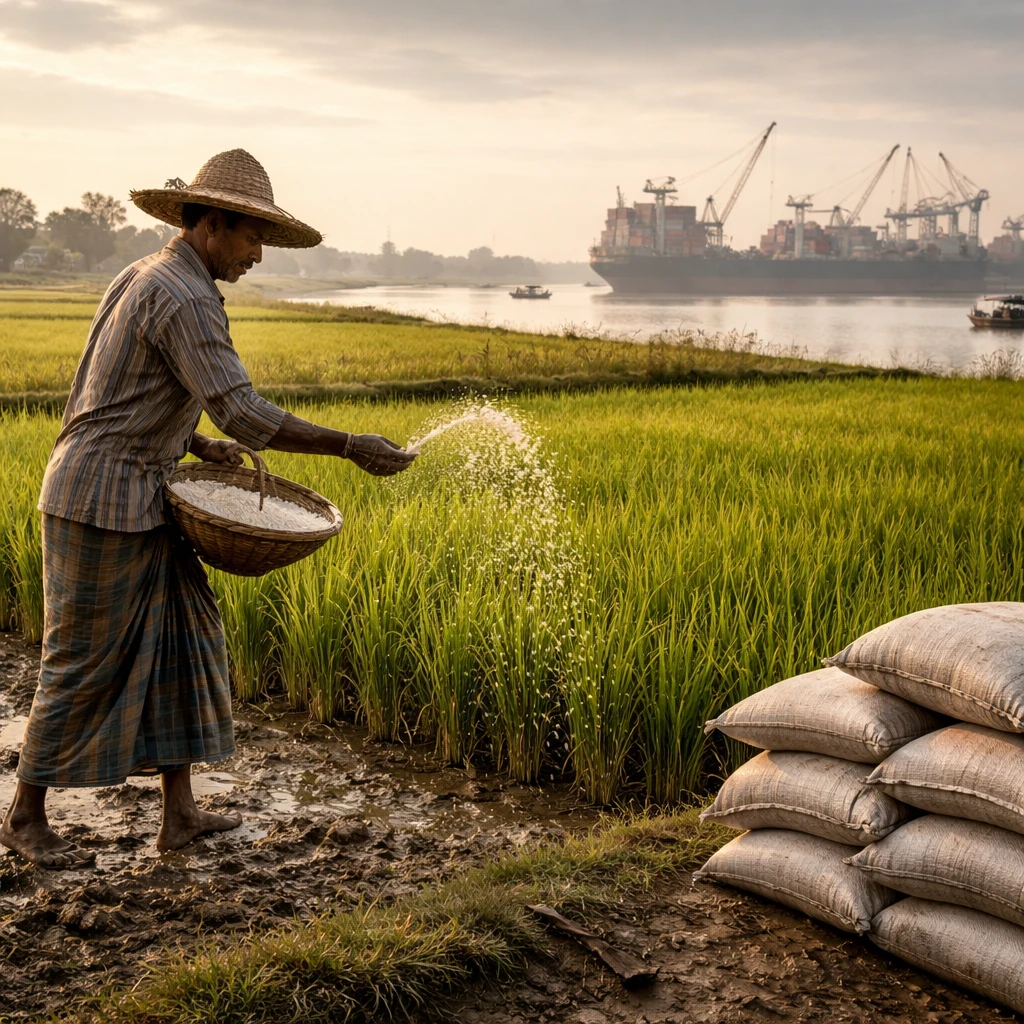
Of the total, $300 million has been designated to underwrite fertilizer imports timed for upcoming rice planting seasons. That support is expected to underpin cultivation across about 1.4 million hectares of farmland, according to the package description. The financing responds to Bangladesh’s heavy dependence on imports for fertilizer, which account for more than 85% of the country’s needs.

Separately, $713 million will back a range of emergency responses. These include cash assistance targeted at vulnerable households and programs to support small businesses. A portion of the funding will also be available to finance critical imports of fuel and energy required to sustain essential public services.

Broader financial position and external support

The government is seeking further assistance from development partners as it works to strengthen foreign exchange reserves and ease stress on public finances. That outreach includes engagement with the International Monetary Fund among other partners, reflecting efforts to shore up external buffers while addressing the immediate needs driven by the price shock.

Immediate focus and beneficiaries

The emergency financing is directed at several groups and sectors simultaneously: farmers who will need fertilizer for the planting season, households vulnerable to higher food and fuel costs, small businesses facing liquidity or demand pressures, and public services that depend on imported fuel and energy to operate. The package is structured to provide both targeted social relief and support for inputs and supplies critical to maintaining economic activity.

Limitations and next steps

While the World Bank package supplies immediate liquidity for imports and social measures, the government’s pursuit of additional external support signals that the funding is part of a broader effort to restore resilience in reserves and public finances. Further outcomes will depend on the progress of those additional support arrangements.

Risks

  • Continued pressure on foreign exchange reserves and public finances as noted by the government’s request for additional support - impacts: sovereign finances and external stability.
  • Ongoing higher prices for food, fuel and fertilizer tied to the conflict in the Middle East that drove the emergency financing - impacts: household consumption, agricultural input costs, energy imports.
  • High reliance on imported fertilizer (over 85% of needs) creates vulnerability to supply disruptions and price volatility - impacts: agriculture sector and food production.

More from Economy

ECB executive flags persistent upside inflation risk despite easing oil costs Jun 27, 2026 Bolivia abandons 15-year dollar peg, moves to flexible exchange-rate to tackle dollar shortages Jun 27, 2026 Supreme Court decision and ECB forum to shape Kevin Warsh’s early months at the Fed Jun 27, 2026 Ukraine Says FP-5 Flamingo Missiles Struck Military Production Plant in Volgograd Jun 27, 2026 Burnham Takes Lead in Labour Leadership Race as July Contest Nears Jun 27, 2026