
Overview
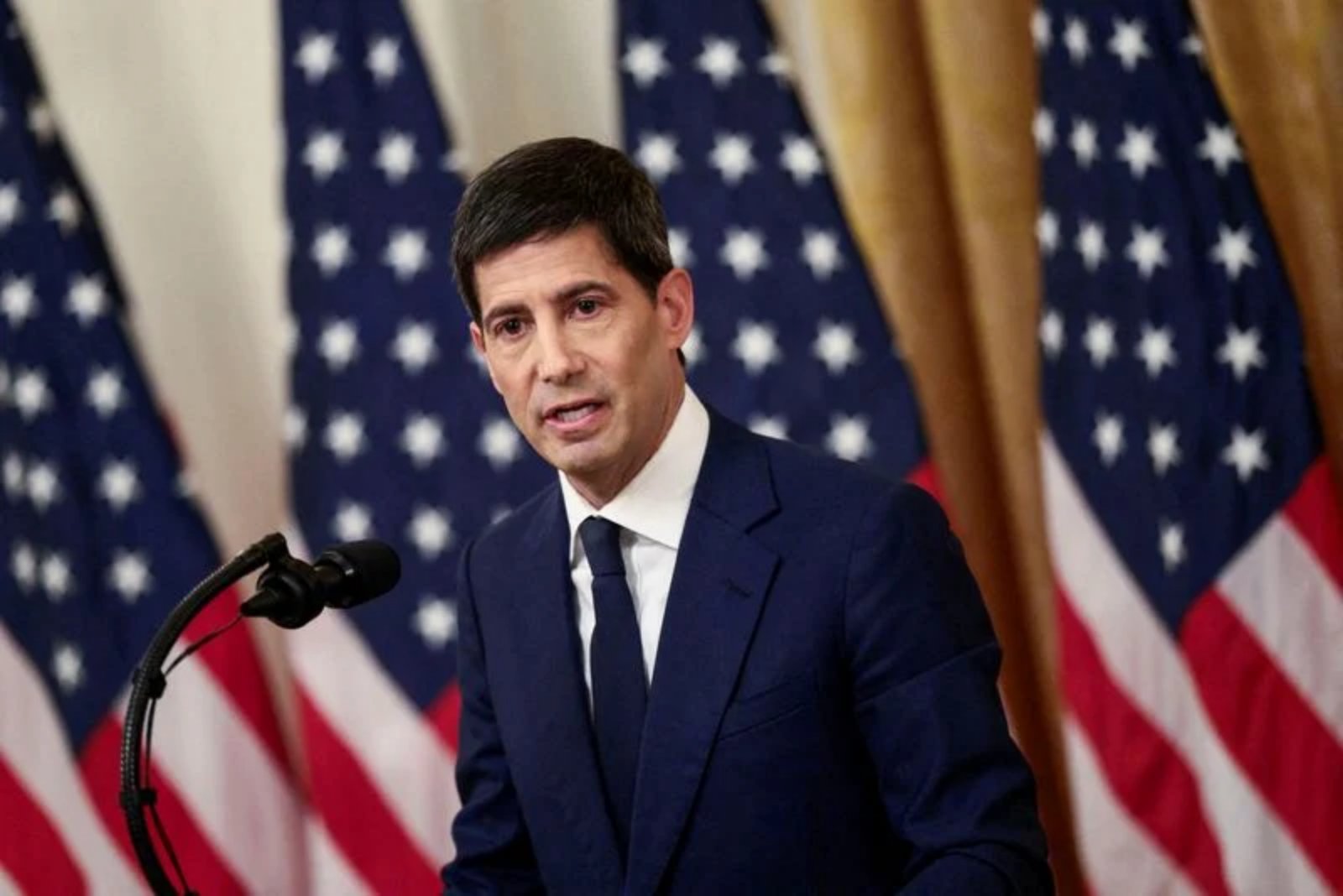
Kevin Warsh is wrapping up his first Federal Open Market Committee meeting against a backdrop of tumbling oil prices and what has been described as a tentative peace offering - factors that support the expectation among traders that the Federal Reserve will keep interest rates on hold. Market participants will be focused on three elements: how Warsh votes, his performance at the subsequent news conference, and the way he explains the outlook for policy.
Guidance and the messaging challenge
Warsh is not a proponent of "forward guidance" and could opt not to include a projection for interest rates in the Fed's quarterly economic outlook. That choice would place his communications under scrutiny, because his appointment by U.S. President Donald Trump had been associated with a push to cut rates. With inflation running above the Fed's target and employment described as solid, markets are instead pricing in a potential rate hike, creating a tension Warsh will have to manage.
If Warsh declines to counter prevailing market pricing, investors may interpret that as a hawkish signal. Conversely, a forceful pushback against market expectations could raise concerns about inflation among investors. That balance - between validating market assumptions and guarding against inflationary fears - presents a delicate communications task for the new Fed leader.
Complicating matters further is the structure of the Fed's decision-making body: Warsh will take questions and votes in a boardroom where his predecessor, Jerome Powell, retains a vote.
Global central banking cues
Observers have pointed to a recent example from overseas. On Tuesday, Bank of Japan Deputy Governor Shinichi Uchida provided what some saw as a template of steady-handed communications. Uchida preserved policy flexibility while avoiding market disruption. He did, however, benefit from the presence of Japan's finance ministry - described as looming off-stage with warnings that it could intervene in currency markets should the yen weaken further.
Market context and other central banks
Across Asian markets on Wednesday, trading was largely sideways as Warsh's appearance dominated focus and oil sellers paused, awaiting confirmation of details around a U.S.-Iran agreement. Reports that the U.S. plans to lift sanctions on Iranian oil have pushed Brent futures below $80 a barrel.
Beyond the Fed, Sweden's Riksbank is expected to keep rates on hold but signal that a hike could be forthcoming later in the year. In the U.K., British inflation is forecast to edge up toward 3%, a move attributed in part to higher oil prices. Final European inflation readings are not expected to differ from their preliminary releases.
Near-term market movers
- Rate decisions in the U.S. and Sweden
- British inflation
- U.S. retail sales data
These items are listed as the key developments likely to influence markets on Wednesday.
Key points
- Warsh's vote, news conference and willingness to offer forward guidance are the central market focuses - this has direct implications for interest-rate sensitive sectors such as financials and housing.
- Falling oil prices and a tentative diplomatic development provide a supportive backdrop for a hold decision at the Fed, affecting energy and inflation expectations.
- Other central bank decisions and upcoming economic data - notably Sweden's Riksbank action, British inflation, and U.S. retail sales - add to market-moving risk across equities, currencies, and bond markets.
Risks and uncertainties
- Ambiguity in Warsh's messaging - particularly a decision to avoid a rate projection - could leave markets unsettled, affecting the dollar and interest-rate sensitive asset classes.
- If Warsh refrains from pushing back on market-implied tightening, investors may read that as hawkish and adjust positions, with potential implications for inflation expectations and bond yields.
- External central-bank moves and geopolitical developments - including reports of U.S. plans to lift sanctions on Iranian oil - could pressure oil markets and feed through to inflation readings.