
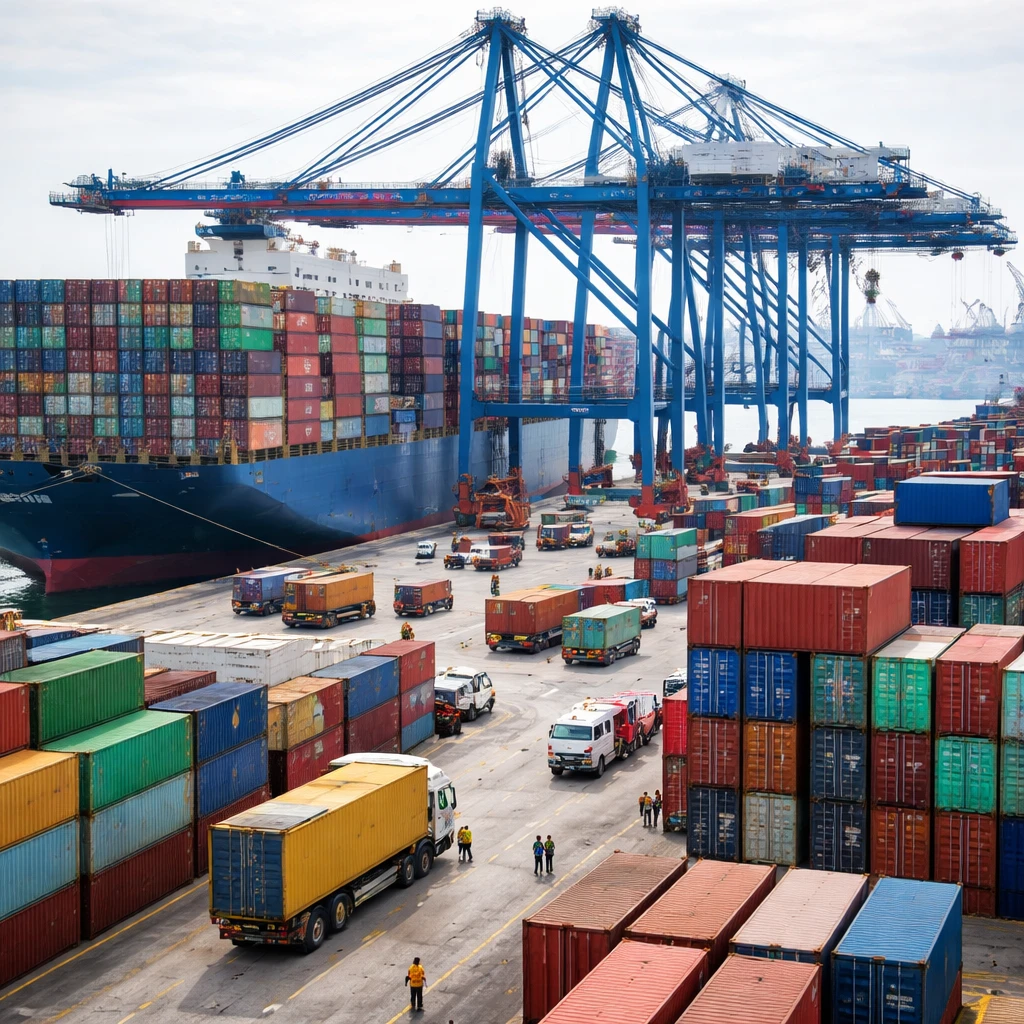
Supply chain data from Descartes Systems Group shows U.S. containerized import volumes climbed 11.5% in May compared with the same month a year earlier, reflecting a pickup in shipments originating from China after several months of softer activity.
U.S. seaports moved 2,428,758 20-foot equivalent units (TEUs) in May, the standard measure for container throughput. Chinese-origin cargo accounted for 816,197 TEUs, a 28.1% increase from May 2025, with the shipments concentrated in plastics, furniture and bedding products.
China's share of total U.S. containerized imports rose to 33.6% in May, up from 29.9% in April. Market participants cited two main drivers behind the rebound: retailers and manufacturers speeding up inbound shipments ahead of a new round of proposed U.S. tariffs, and precautionary inventory accumulation prompted by concerns related to the U.S.-Israeli war with Iran. The latter factor led some companies to secure stock amid worries about potential increases in energy prices and the availability of goods and raw materials derived from crude oil.
Despite the month-over-month improvement, aggregate container volumes for the first five months of 2026 remained 1.9% lower than the same period in 2025.
Context and market response
Analysts and shippers described the May uptick as a tactical response by supply-chain managers to looming policy and geopolitical risks. The increases were most pronounced in categories cited by Descartes Systems Group - plastics, furniture and bedding - which together led the rise in Chinese-origin imports.
Limitations
The available data detail monthly volumes, origin shares and product group leaders but do not quantify the precise contribution of each stated factor - tariff timing or geopolitical concerns - to import decision-making. Observers recorded these motivations as explanations provided by analysts and shippers rather than definitive causal measurements.