
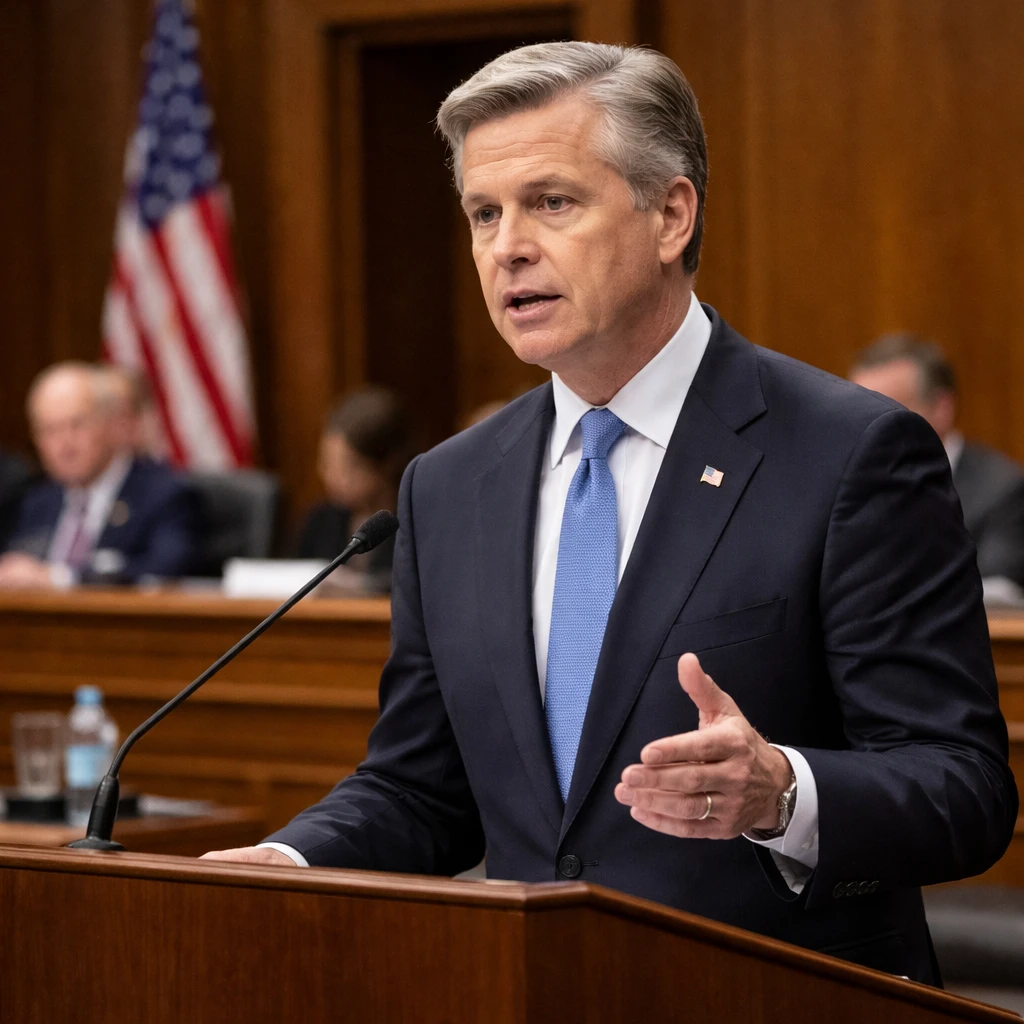
Treasury Secretary Scott Bessent told a US Senate panel on Wednesday that multiple Gulf allies and some Asian nations have requested access to foreign exchange swap lines. He raised the requests as part of broader testimony that touched on tax administration, energy markets and federal contracting.
Budget and IRS enforcement
Bessent defended recent budget reductions at the Internal Revenue Service, saying enforcement recoveries have risen even with lower funding levels. He noted that the agency's enforcement activity has produced increased recoveries despite the cutbacks.
Energy market remarks
The Treasury Secretary addressed energy markets during his remarks, telling senators that gas prices could fall to levels below those seen before the Iran conflict. He said he is confident the situation with Iran will come to an end, and that an end to the situation would reduce fuel costs. Bessent added that oil prices could have climbed to $150 per barrel without the application of sanctions measures. He also rejected assertions that Iran received $14 billion from sanctions relief and cited President Trump as having shown effectiveness in lowering energy costs.
Tax refunds and household finances
On the topic of individual refunds, Bessent reported that average US tax refunds have risen by a range of 11% to 13%.
Federal contracting
Bessent also spoke about government contracts, saying the Treasury Department no longer has confidence in Booz Allen Hamilton and referencing canceled contracts with the consulting firm.
Key points
- Several Gulf allies and some Asian nations have formally requested foreign exchange swap lines - a development relevant to global liquidity and currency stability.
- The Treasury Secretary defended IRS budget cuts while reporting higher enforcement recoveries despite reduced funding, and said average US tax refunds are up 11% to 13%.
- Bessent projected lower fuel prices if the Iran situation ends, stated oil might have reached $150 per barrel absent sanctions measures, and denied claims that Iran received $14 billion from sanctions relief. He also said the Treasury no longer trusts Booz Allen Hamilton after contract cancellations.
Risks and uncertainties
- Requests for FX swap lines suggest external demand for currency support - an uncertainty for financial markets and central bank liquidity arrangements.
- Energy price trajectories depend on the evolution of the Iran situation; while the secretary expressed confidence the situation will end, timing and market reaction remain uncertain for energy and broader markets.
- Loss of confidence in a federal contractor and canceled contracts introduce uncertainty in government procurement and consulting services tied to Treasury operations.
This account reflects the testimony provided by the Treasury Secretary to the Senate panel and the topics he raised during that hearing.