
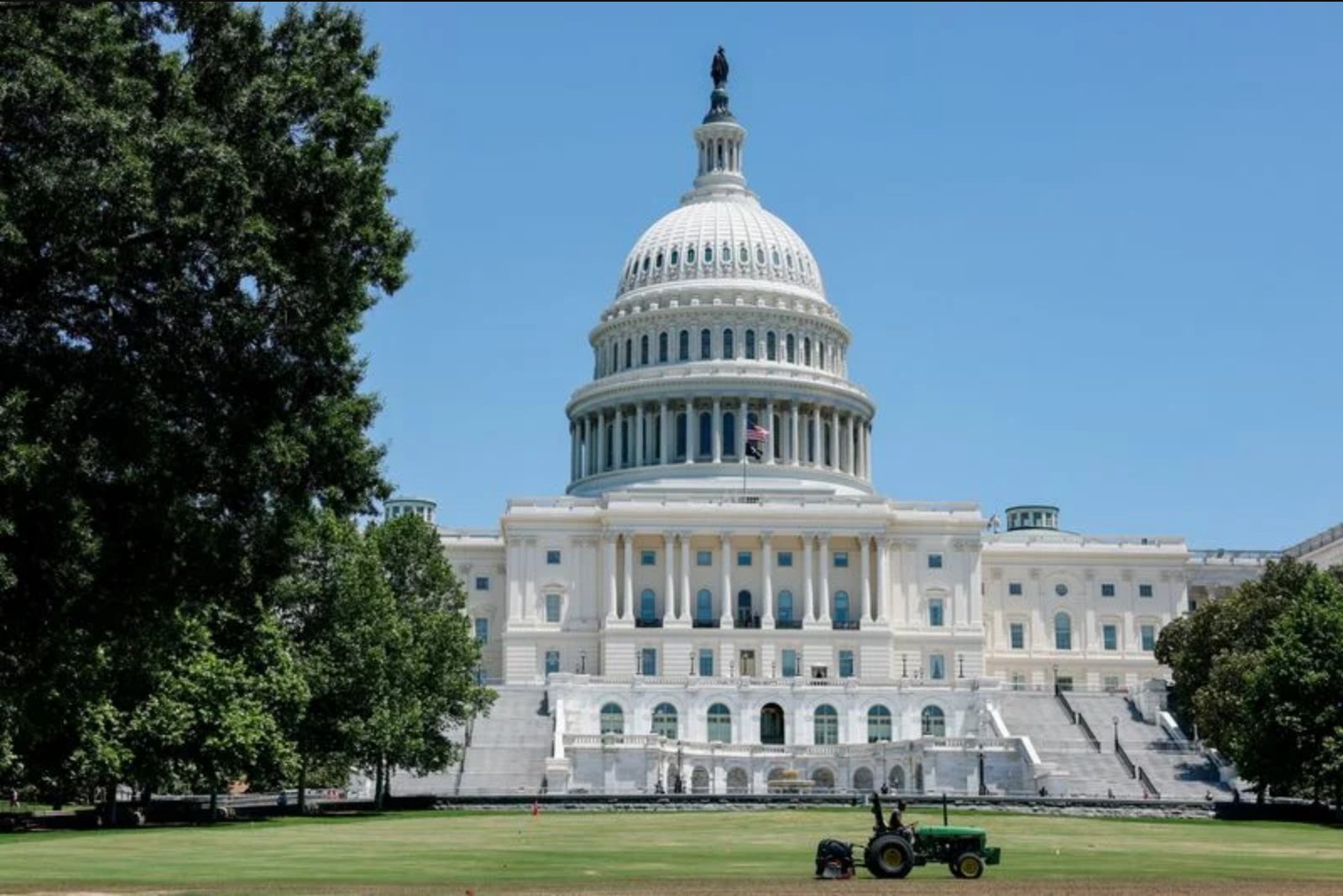
Washington - The U.S. Senate has advanced a bipartisan legislative package focused on alleviating the severe shortage of affordable housing, a pressing concern for voters facing elevated consumer prices ahead of the upcoming midterm elections. The 21st Century ROAD to Housing Act now proceeds to the House of Representatives for final approval, with legislative leaders aiming to finalize the bill by the end of the week for President Donald Trump to sign into law.
The legislation represents a consolidation of 36 housing measures previously passed by the Senate in March and 11 by the House in May. Lawmakers are attempting to address a multifaceted housing crisis driven by outdated regulations that inflate construction costs and lingering effects from the 2008 financial crisis, which continue to impact southeastern states, the industrial Midwest, and parts of the Southwest.
Restrictions on Institutional Investors
A central component of the new bill places strict limits on large, institutional investors. The legislation caps the number of single-family homes that Wall Street investment firms can control at 350 per firm. Earlier versions of the bill included a provision that would have mandated these investors to divest their holdings within seven years, but this specific requirement was removed from the latest iteration.
Proponents of the 350-home cap argue that large-scale institutional buying drives up prices by outbidding individual homebuyers. By limiting the footprint of these investors, the bill aims to level the playing field for traditional purchasers. This move directly impacts the real estate sector, particularly the market for single-family rental properties and institutional investment firms involved in home acquisitions.
Streamlining Construction and Permitting
To accelerate the building of new homes, the bill introduces measures to expedite environmental reviews for construction projects. It also expands federal financing through block grants to states, aiming to free up capital for local development initiatives.
Additionally, the legislation revamps a U.S. Department of Agriculture rural housing program, addressing specific needs in non-urban areas. These regulatory adjustments are intended to reduce the red tape that often delays construction, thereby increasing the overall supply of housing inventory. The construction and building materials sectors are likely to see benefits from these accelerated permitting processes.
Expanding Buyer Access and Political Context
The bill also targets the demographic reality of the housing market, where the average first-time home buyer is now 40 years old. A pilot program within the legislation seeks to increase access to small-dollar mortgages with principal balances of $100,000 or less, aiming to help younger or lower-income individuals enter the market.
Political considerations play a significant role in the timing and content of this legislation. The Trump administration and Republican lawmakers campaigned on tackling inflation and the high cost of living. However, the annual inflation rate reached 4.2% for the 12 months ending in May, the highest in over three years, largely attributed to higher energy costs stemming from the conflict in Iran.
Mortgage rates have also risen, with the average 30-year fixed-rate mortgage hitting 6.47%, up from 6.11% in mid-March. With midterm election campaigns intensifying, both Republican and Democratic lawmakers view this housing bill as a tangible action to demonstrate responsiveness to voter demands regarding the cost of living.
Senate Banking Committee Chairman Tim Scott, a Republican from South Carolina, stated that the bill would "lower costs, expand housing supply, cut red tape." Meanwhile, Senator Elizabeth Warren, the senior Democrat on the committee, described it as "the biggest housing bill in more than 30 years." The legislation now faces the final hurdle in the House, where its passage remains uncertain but critically viewed as a key economic intervention.