
Economy February 11, 2026 06:49 PM

RBA Signals Willingness to Lift Rates Further if Inflation Proves Persistent

Governor says board stands ready to act but uncertainty in forecasts means more hikes are not yet certain

By Caleb Monroe
Share
Twitter Reddit Facebook LinkedIn

Australia’s central bank has signalled it will raise interest rates again if inflation becomes entrenched, though the governor said it is not yet clear further tightening is necessary. The Reserve Bank increased the cash rate by 25 basis points last week to 3.85%, reversing one of three cuts from the prior year, while underlying inflation has accelerated to 3.4% and is forecast to average 3.7% this year.

RBA Signals Willingness to Lift Rates Further if Inflation Proves Persistent
Summarize with
ChatGPT Perplexity Claude Grok Gemini

Key Points

  • The RBA raised its cash rate by 25 basis points last week to 3.85%, reversing one of three cuts made last year - sectors impacted: borrowers, housing market, consumer credit.
  • Underlying inflation rose to 3.4% in the most recent quarter and is forecast by the RBA to reach 3.7% this year - sectors impacted: consumer prices, retail and household purchasing power.
  • RBA forecasts assume a little over one more tightening this year, but the central bank emphasises data dependence and forecasting uncertainty - sectors impacted: financial markets and fixed income.

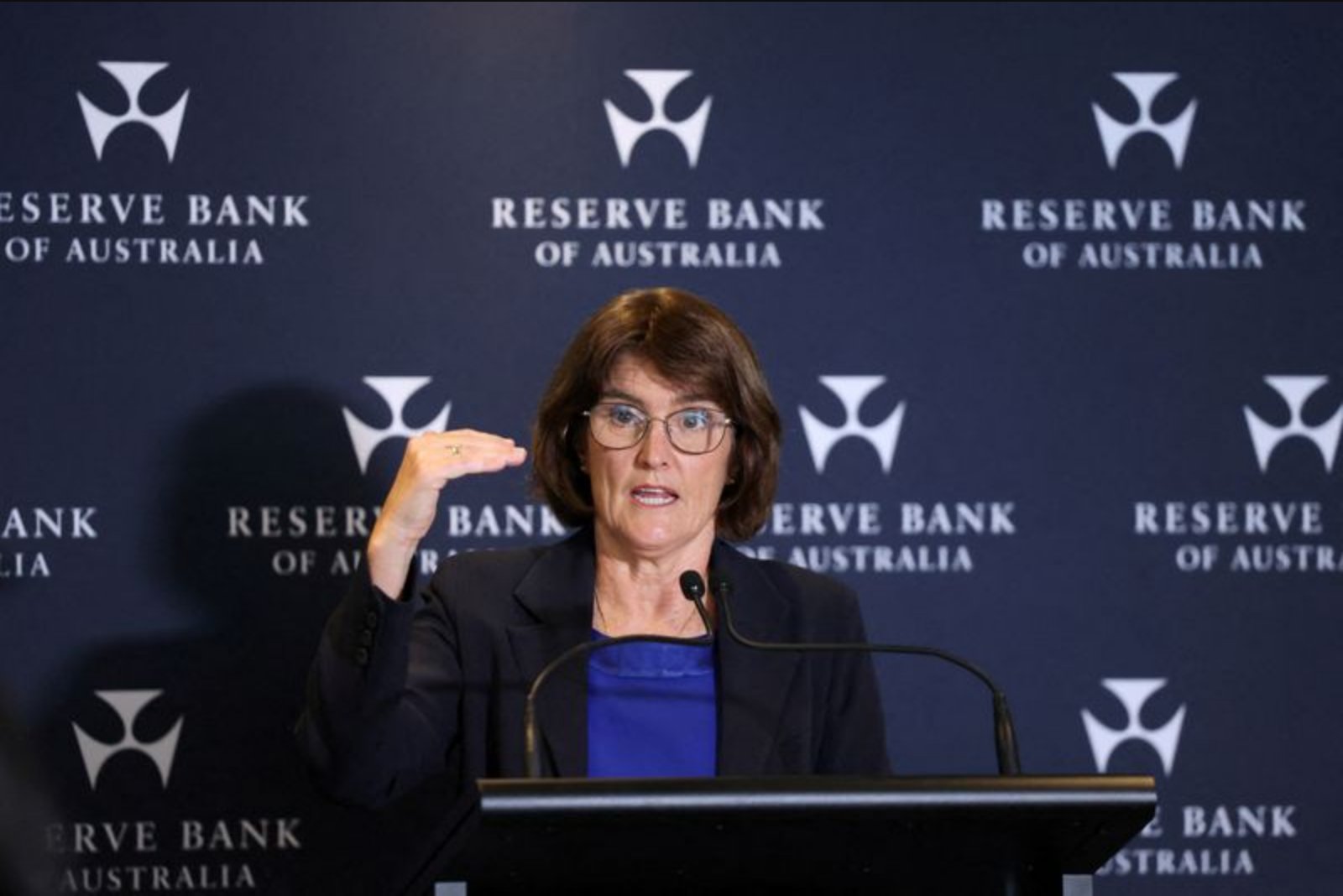
Sydney - The Reserve Bank of Australia indicated it remains prepared to raise interest rates if inflation does not ease, the bank's governor said on Thursday after the central bank implemented its first rate increase in two years last week.

Governor Michele Bullock told lawmakers that while the board is ready to take additional action should inflation become entrenched, it is not currently clear that further rises will be required. "If we need to go up further because inflation is entrenched, the board will do so because that is its primary mandates," Bullock said when questioned by lawmakers.

Last week the RBA lifted its cash rate by a quarter point to 3.85%, undoing one of three reductions made in the previous year. The move marked the central bank's first increase in two years.

Underlying inflation accelerated to 3.4% in the last quarter, the fastest pace in just over a year, and the RBA's own forecasts anticipate it reaching 3.7% during the year. Those projections are based on a technical assumption that includes a little more than one additional tightening this year.

However, Bullock emphasised the limits of forecasting. She said that because of the uncertainties inherent in forecasting, it is not yet possible to say definitively whether further rate rises will be necessary. Policymakers, she added, will be watching incoming data closely to determine the appropriate path.

Market pricing currently indicates roughly a 75% probability that the cash rate will be lifted to 4.10% at the RBA's May meeting, a shift traders expect could follow the publication of first-quarter inflation data.


Context and implications

The RBA's statement reinforces a conditional approach to policy: the bank has shown its willingness to tighten further if inflationary pressures persist, but it is signalling that any additional moves will depend on how economic data evolve. The central bank's forecasts incorporate the assumption of modest additional tightening, but officials have highlighted forecasting uncertainty as a reason for caution.

Officials will be particularly attentive to upcoming inflation releases and other indicators of domestic price pressures as they assess whether the recent increase will be sufficient to put inflation on a downward path.

Reporting note: The remarks reflect the governor's comments to lawmakers and the RBA's recent policy action and forecasts.

Risks

  • Inflation becoming entrenched would prompt the RBA to raise rates further, creating downside risks for borrowers and interest-sensitive sectors.
  • Uncertainty in economic forecasting makes it unclear whether additional rate hikes are necessary, which could lead to volatility in financial markets as policymakers react to incoming data.
  • Market expectations of a roughly 75% chance of a May rate increase to 4.10% hinge on first-quarter inflation prints; if data surprise to the upside, markets and households could face higher borrowing costs.

More from Economy

UBS: Concentration in Korea’s market behind record 2026 foreign equity outflows Jun 7, 2026 BCA Research Disputes Kevin Warsh: AI May Be Inflationary, Not Disinflationary Jun 7, 2026 Deutsche Bank Identifies Sectors and Stocks Poised to Gain from 2026 World Cup Jun 7, 2026 SpaceX IPO Poised to Pressure a Tech-Led U.S. Rally as Inflation Data and Earnings Loom Jun 7, 2026 Deutsche Bank Sees Euro Area Growth Slowing Sharply in 2026 After Energy Shock Jun 7, 2026