
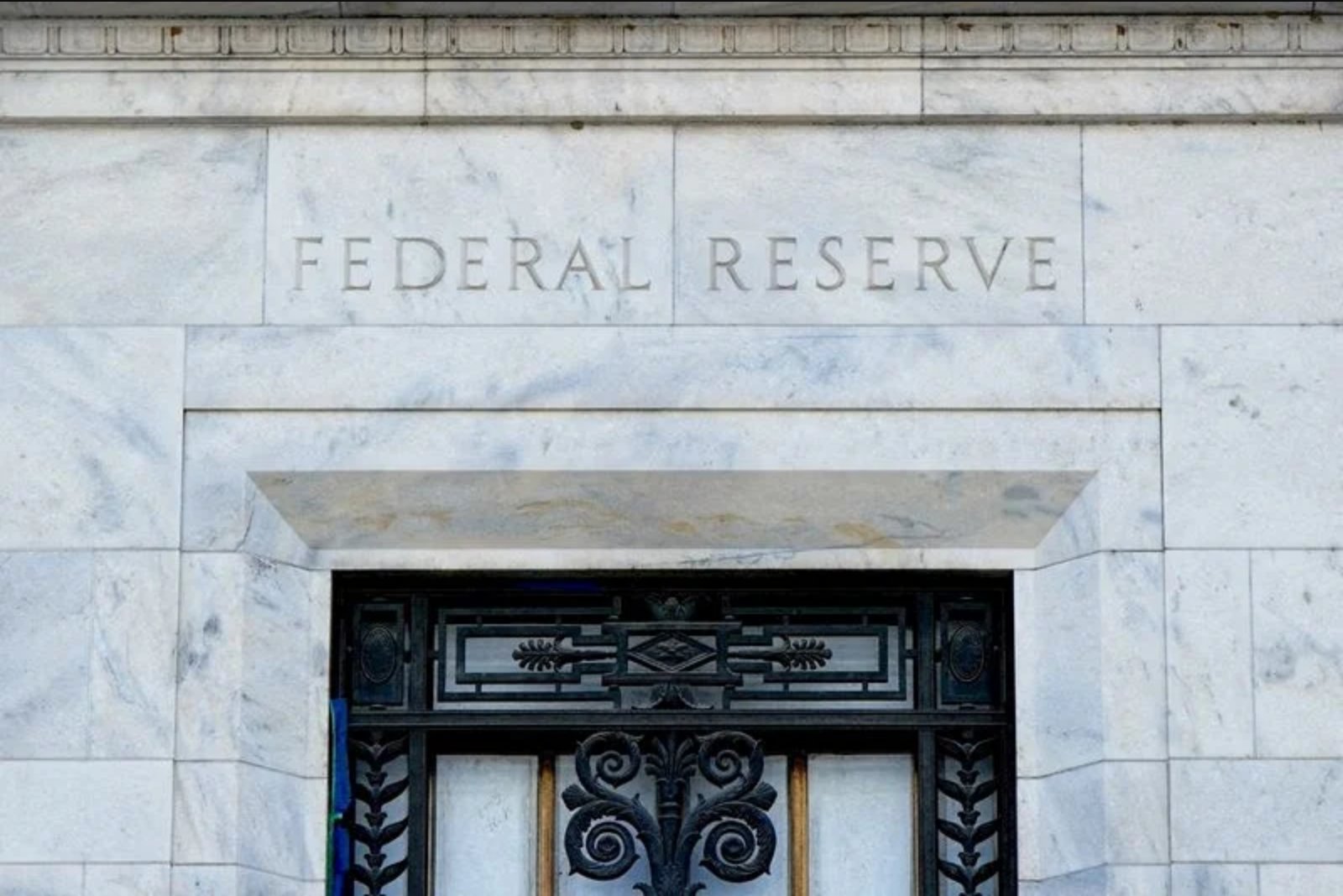
A clear majority of economists surveyed in a recent poll said the U.S. central bank will maintain its key policy rate in the present 3.50%-3.75% range through the end of 2026, marking the first firm consensus this year that cuts are unlikely to materialize before then.
Interest rate futures have moved to price in at least one rate increase by the end of 2026, a market signal that runs somewhat counter to the dominant view among forecasters but is consistent with recent data that undercut the case for easing. A particularly strong May jobs report released on Friday was cited as a factor that reduced the likelihood of rate reductions in the near term.
Inflation has climbed to roughly double the Federal Reserve's 2% objective and, after more than five years of heightened price pressures, shows limited potential for a rapid retreat. That persistence has led some Federal Open Market Committee members to suggest that rates may need to be raised later this year.
Survey details and the new Fed chair dynamic
Nearly 70% of those polled - 72 out of 102 economists - predicted the key policy rate would remain at 3.50%-3.75% for the rest of 2026. That share rose from just under half in the previous month and from about one-third in the month before that. The survey was conducted from June 4 to 9.
No participant in the poll forecast a rate cut at the conclusion of the Federal Open Market Committee's June 16-17 meeting, which will mark Fed Chairman Kevin Warsh's first meeting. The results suggest Warsh, who was nominated by President Donald Trump and faces pressure to lower rates, would encounter difficulty mustering support for reductions.
"It’s going to be very hard for the Fed to justify any action at this point and in the foreseeable future. It will be incredibly difficult to get a consensus of Fed officials to go along with the idea of cutting rates," said Tom Porcelli, chief economist at Wells Fargo.
How inflation and markets are reacting
Most forecasters have pushed the timing of expected rate cuts into next year or removed them from their outlook entirely. Only a small number of economists still view the next policy move as a cut; a few see the prospect of hikes. Several respondents also said they expect the Fed to drop its easing bias from the wording of this month’s policy statement. Some economists anticipate that the Fed’s updated quarterly "dot plot" will reflect steady rate expectations for the rest of the year, while a minority expects it to indicate possible hikes - a contrast with March forecasts, when one cut had been projected.
"The risk is more towards more persistent inflation and fewer cuts and possibly hikes than any quick resolution," said Philip Marey, senior U.S. strategist at Rabobank. "A more optimistic scenario has just flown out of the window."
Market-implied expectations diverge from the majority view: interest rate futures traders have priced in at least one increase by end-2026.
Inflation measures and incoming data
Separate surveys indicate consumer price inflation likely rose to about a more-than-three-year high of 4.2% last month, with core inflation increasing to 2.9%. Those CPI figures are scheduled for release on Wednesday.
The Fed's preferred inflation gauge, the Personal Consumption Expenditures Price Index, reached 3.8% year-on-year in April, its highest reading since May 2023. Quarterly forecasts in the survey show the PCE is expected to average 3.9% in the second quarter, 3.8% in the third quarter and 3.6% in the fourth quarter.
Last month many economists had treated current inflationary pressures - which they largely attributed to energy shocks related to the Middle East conflict - as likely to be transitory. That view has shifted as data and market signals pointed to more persistent price pressures.
"Supply shocks should be one-off and transitory. But if we start getting them in sequences that might start shifting inflation expectations in a way we wouldn’t normally expect," said Eli Nir, U.S. economist at TD Securities. "They’re concerned about supply shocks turning into more persistent shocks because they were wrong there in 2022. We were all wrong at that point."
Growth, labor and the baseline outlook
Forecasts for economic growth and unemployment were largely unchanged in the poll. The jobless rate is seen holding around 4.3% or slightly higher, while average economic growth is projected at roughly 2% over the coming years.
While forecasters’ views on the timing of cuts have shifted, the broader picture for growth and labor market performance remains steady in the near term according to the poll participants.
Implications for policy text and next steps
With a strong jobs report reinforcing the message from inflation readings, many economists expect the Fed to remove its easing bias from the policy statement issued later this month. The updated dot plot that accompanies the statement could signal steady policy rates for the remainder of 2026 in many participants’ eyes, though some forecasters anticipate the opposite - a small tilt toward higher rates.
In sum, the poll reflects a marked change in expectations: the dominant view among economists is now for unchanged policy through 2026, even as market pricing leaves open the possibility of a hike by year-end. Upcoming inflation data and the Fed's June meeting will be watched closely for confirmation of that stance.