
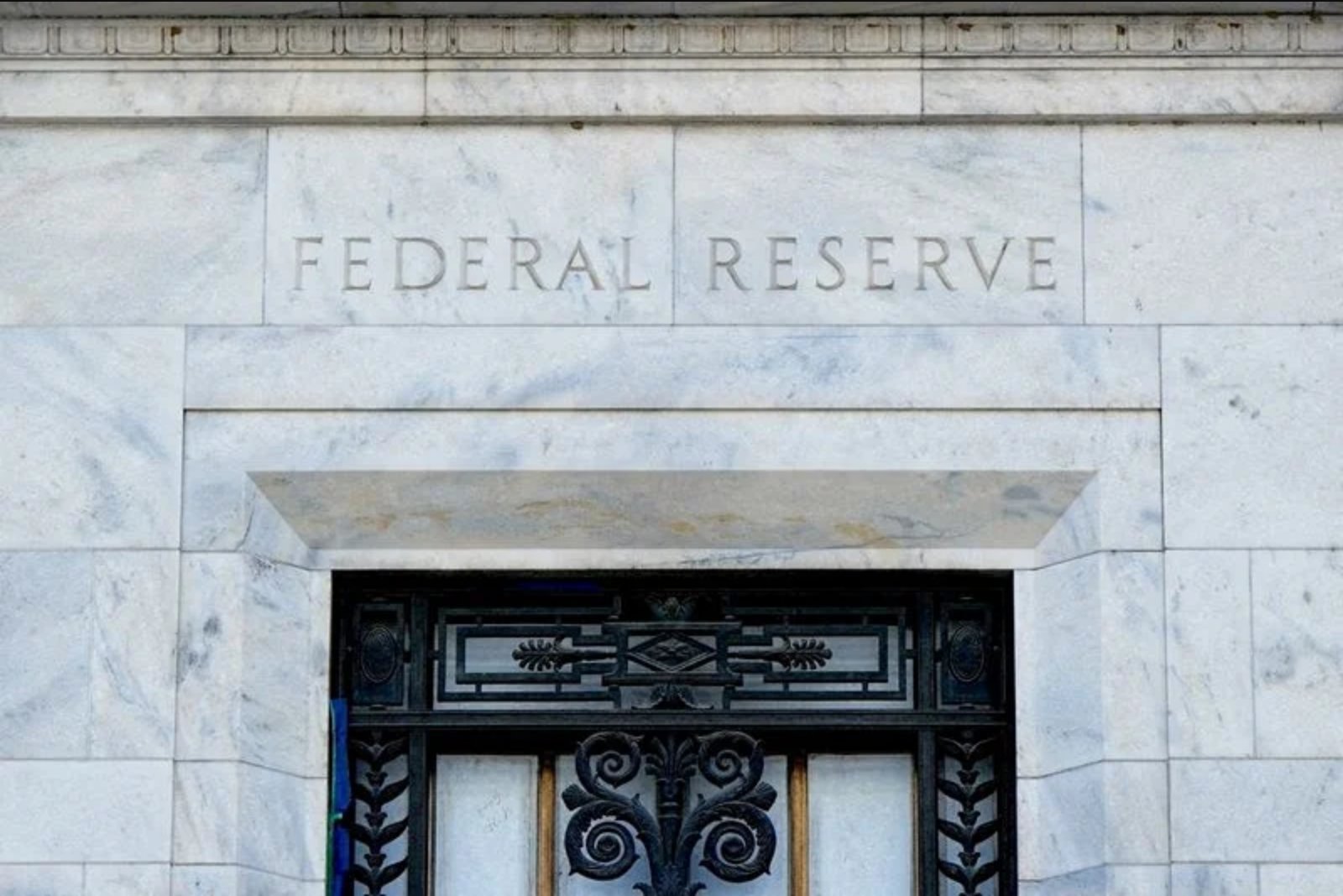
June 18 - Citigroup has adjusted its outlook for when the U.S. Federal Reserve will begin reducing interest rates, postponing its previous timetable by one month. The bank now anticipates rate cuts in October and December 2026, with an additional cut projected for January 2027. That replaces its earlier view of cuts in September, October and December 2026.
The revision follows the Fed's decision to hold its benchmark rate steady on Wednesday, coinciding with the start of a broad policy review by new Chair Kevin Warsh. Citigroup attributed the shift in its forecast to a more hawkish turn among Fed officials, noting that nearly half of policymakers now expect rates to rise this year amid growing concerns about inflation.
Citi analysts said Warsh, while not explicitly stating it in recent remarks, likely agrees with the assessment that some of the Fed's projected policy paths - the so-called dots - might have been lower if officials had more time to account for the rapid decline in oil prices in recent days. That observation was offered in the context of a broader reassessment of the policy outlook rather than as a direct policy signal.
The bank's change of view comes as market participants have shifted positions. Data from LSEG showed traders have fully priced in a 25 basis point rate hike by October. That pricing sits alongside increasing signs of hawkish sentiment within the Fed and growing unease over inflation trends.
Energy-market developments have played a role in recent volatility. Earlier, conflict in Iran pushed fuel prices higher amid concerns about global supply disruptions and the prospect of inflation running above the Fed's 2% objective. Subsequently, oil prices fell sharply after Iran and the U.S. agreed to restore flows through the Strait of Hormuz. Citigroup emphasized, however, that uncertainty persists around that agreement.
On the macro front, Citigroup's analysts continue to expect that core consumer price inflation will show weaker readings and that labor-market conditions will cool over the June to August period. Even so, they warned that it could take longer for a consensus among Fed policymakers to form in favor of beginning rate cuts, given the current tilt toward tighter policy.
The combination of a new Fed chair conducting a policy review, evolving market pricing, and uneven signals from energy and inflation data underpins Citigroup's more cautious timing for easing. The bank's updated schedule pushes the first cut back by a month while preserving a sequence of three reductions that now stretches into early 2027.
Summary
Citigroup has moved back its forecast for the first Federal Reserve rate cut by one month to October 2026, citing a more hawkish Fed and market repricing. The bank still expects three cuts, now in October and December 2026 and January 2027, and notes persistent uncertainty tied to oil-market developments and the pace at which policymakers may coalesce around easing.