
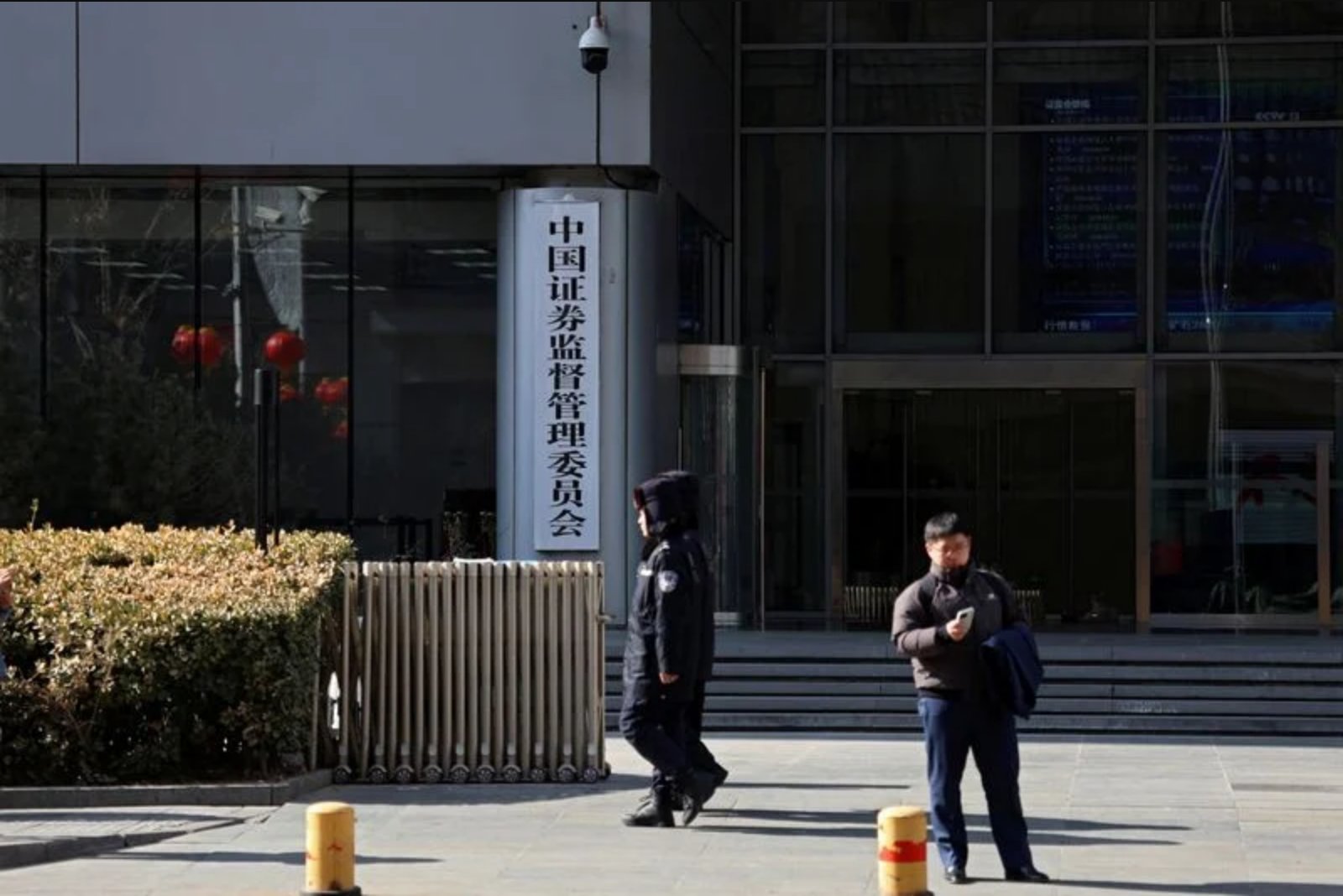
The CSRC's recent statement serves as a critical signal to the financial community, suggesting that while illegal activities are being targeted, legitimate offshore services provided by overseas brokerages to mainland clients can continue. This distinction is vital following a sell-off in U.S.-listed Chinese equities that occurred immediately after the crackdown was first announced on May 22.
Key Market Developments and Economic Impacts
The regulatory stance highlights several critical points regarding the current economic landscape and the movement of capital:
- Asset Protection: The CSRC explicitly stated that the safety of investor assets remains a priority. The regulator emphasized that existing accounts will not face forced closures, nor will assets within those accounts be subjected to mandatory cleanup efforts during this rectification campaign.
- Operational Boundaries for Brokers: While overseas brokers may continue legitimate services, the crackdown targets illicit activities conducted on the mainland. This includes the use of websites and trading software to provide unauthorized services, which the CSRC mandates must be terminated within a two-year window.
- Capital Market Purification: The stated objective of the policy is to "purify" China's capital markets and protect investors by curbing illegal capital outflows. The regulator noted that overseas institutions conducting illegal operations within Chinese borders will be dealt with strictly to prevent market disruption and financial risk.
Impacted Sectors: The primary sectors affected include offshore brokerage services, securities trading platforms, and the international capital markets where mainland investors hold significant positions. The movement of retail capital between mainland China and hubs like Hong Kong is also directly impacted by these regulatory shifts.
Risks and Uncertainties
Despite the reassurances from the CSRC, several uncertainties remain for market participants:
- Liquidity and Account Restrictions: Certain brokerage firms, including Futu, Tiger, and Longbridge, have already informed mainland clients of specific restrictions. Starting in mid-June, these clients will reportedly be unable to open new accounts, add fresh capital, or increase existing positions, even though offshore services remain functional.
- Regulatory Intent regarding Capital Flows: While the CSRC did not explicitly confirm if tightening controls is a move to redirect funds into domestic markets, it did remark that Chinese assets are "appealing." This leaves room for uncertainty regarding future incentives for domestic capital allocation.
Market Risks: The primary risks involve regulatory compliance costs for brokerages and liquidity constraints for individual investors who may find their ability to manage offshore holdings restricted by the new operational boundaries.
Investor Sentiment and Context
The crackdown has prompted visible shifts in investor behavior. Following the announcement of the regulatory move, some savers from mainland China have traveled to Hong Kong to seek methods for retaining their investments in the financial hub. The tension between maintaining capital controls and encouraging participation in China's high-quality economic growth remains a central theme. The CSRC concluded by noting that they welcome both international and domestic participants to share in the dividends of the country's economic progress, provided such activities comply with market orders.