
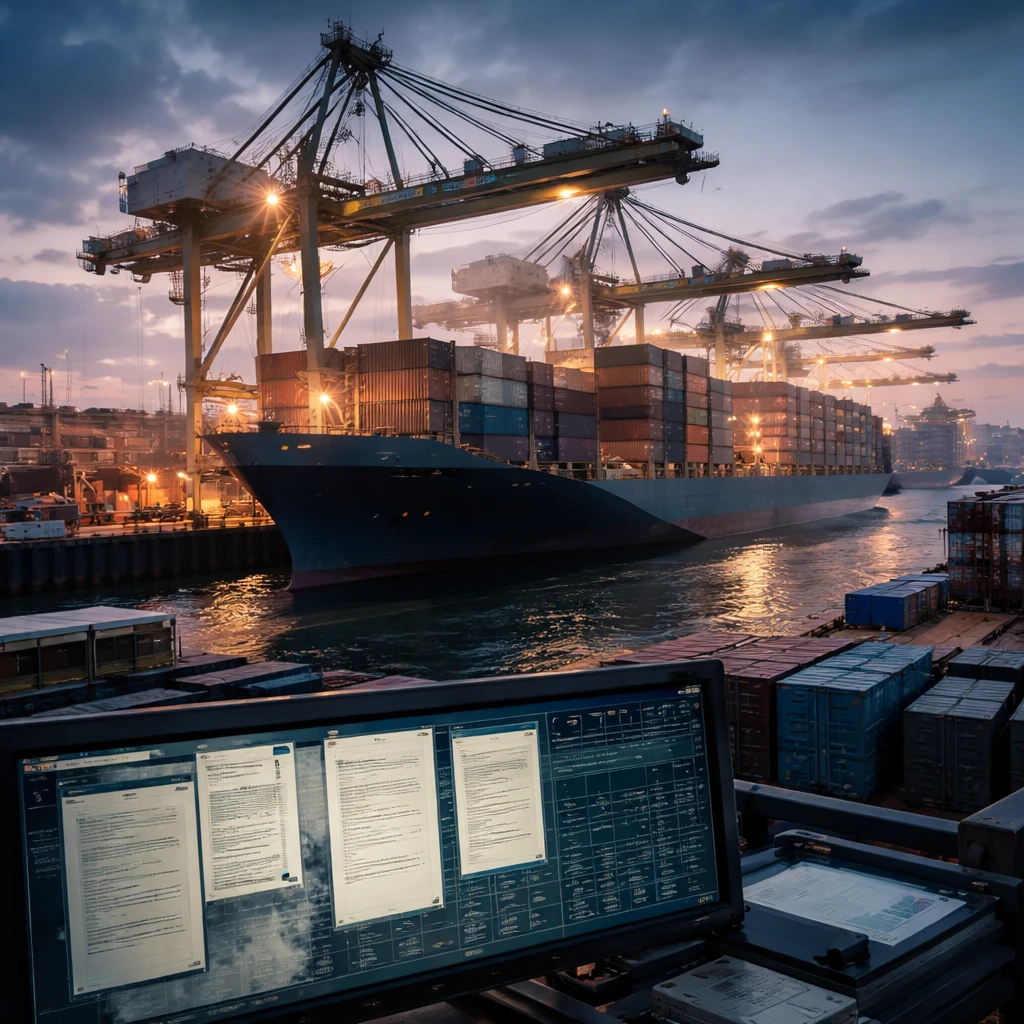
Australian Prime Minister Anthony Albanese confirmed that his administration will formally challenge the United States new twelve point five percent tariff on Australian goods. According to Reuters, Canberra intends to address the levy directly with U.S. President Donald Trump. The Prime Minister emphasized that the objection will be escalated across all diplomatic channels. Australian trade officials have already registered formal concerns regarding the imposition.
The tariff arrives alongside a broader shift in American trade policy. The Trump administration finalized new duties targeting imports from sixty trading partners on Friday. This action coincides with the scheduled expiration of a previous temporary ten percent global tariff. Washington officials stated that the new measures aim to counteract trading partner failures to prevent goods produced through forced labor from entering domestic markets and global supply chains. Under the current classification, Australia was assigned a twelve point five percent rate. Seventeen other nations received a ten percent rate, while five economies were placed under mixed arrangements tied to their existing tariff structures.
The authority for these duties stems from Section 301 of the U.S. Trade Act. This legislative provision permits the United States to respond to foreign practices that American commerce considers detrimental. The White House order explicitly notes that certain products will remain exempt from the additional duties.
The Albanese Labor government has characterized the tariff as unjustified and is actively pursuing its removal. Canberra maintains that Australia already operates robust modern slavery protections. To reinforce this stance, the Prime Minister highlighted ongoing efforts to strengthen domestic enforcement frameworks. Under the Australian Modern Slavery Act, organizations generating at least one hundred million Australian dollars in annual consolidated revenue must submit annual reports. These disclosures must detail operational and supply chain risks alongside implemented mitigation strategies, according to the Department of Home Affairs. Federal regulators are currently evaluating supply chain compliance protocols and are weighing the introduction of stricter penalties for enterprises that fail to meet regulatory standards.
From a market perspective, the elevated tariff structure introduces direct cost pressures for Australian exporters with significant exposure to the American market. Sectors likely to feel immediate strain include building materials manufacturers, healthcare product producers, wine exporters, and general manufacturing operations. Concurrently, mining and energy corporations are monitoring the situation closely, awaiting precise clarifications regarding which specific commodities or processed products qualify for the stated exemptions.
- The United States has implemented a twelve point five percent tariff on Australian imports under Section 301 of the U.S. Trade Act, citing supply chain labor compliance concerns.
- Australian exporters in construction, healthcare, agriculture, and manufacturing face increased cost burdens, while mining and energy firms await exemption clarity.
- Canberra is intensifying domestic supply chain enforcement and considering stricter penalties to demonstrate regulatory compliance ahead of diplomatic negotiations.
Risks & Uncertainties
- Ambiguity surrounding exemption criteria leaves mining, energy, and manufacturing sectors vulnerable to sudden cost escalations and margin compression.
- Diplomatic friction may prolong trade negotiations, creating prolonged uncertainty for cross-border supply chain planning and capital allocation.