
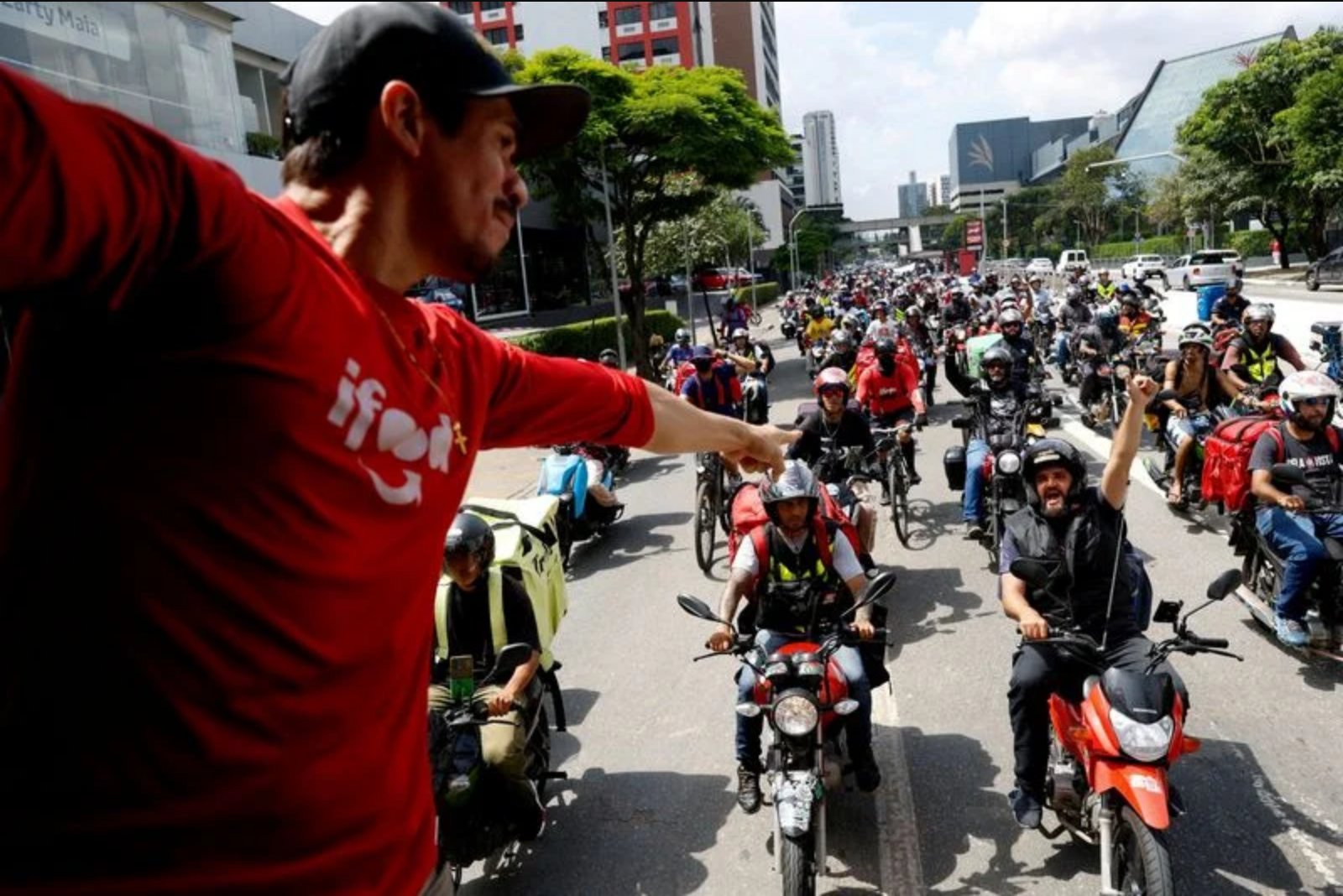
BRASILIA - The Brazilian government is preparing to introduce a suite of policy adjustments aimed at enhancing the operational framework for gig workers and small business owners. The Ministry of Entrepreneurship confirmed on Wednesday that these measures, which include revised income thresholds for benefits and mechanisms for tax-debt renegotiation, will be announced in the immediate future. The initiative is designed to support the formalized micro-entrepreneur (MEI) category, a simplified business structure established to integrate self-employed workers and small business owners into the formal economy.
MEIs represent a critical segment of Brazil's labor market, encompassing professions such as food delivery personnel, rideshare drivers, and independent retail operators. The ministry stated that the proposed measures are intended to strengthen economic opportunities for more than 16 million individuals currently registered under this formalized category. By broadening the scope of support, the government aims to stabilize income streams and reduce regulatory burdens for this vast workforce.
A central component of the new policy framework involves adjusting the income ceiling that determines eligibility for specific benefits and tax-debt renegotiation programs. While the ministry has not yet disclosed the exact numerical threshold for the upcoming announcement, Finance Minister Dario Durigan provided a projected figure last week. According to Durigan, the revised ceiling could allow workers earning up to approximately 130,000 reais ($25,023) to qualify for these benefits by 2028. This represents a significant increase from the current limit of 81,000 reais. This adjustment could materially impact the fiscal planning and liquidity positions of small businesses operating near the current threshold.
Furthermore, the government plans to implement measures to regularize the debts of MEIs currently listed on the federal active debt registry. Regularizing these obligations would allow these businesses to resume normal operations and regain access to previously restricted benefits. This step is crucial for restoring the operational capacity of firms that have been constrained by outstanding liabilities to the federal government.
The third pillar of the initiative focuses on expanding the "Contrata + Brasil" program, which facilitates transactions between small businesses and the public sector. The government intends to broaden the network of participating entities, thereby increasing the volume of public sector purchases available to MEIs. This expansion could provide a more stable revenue stream for small enterprises, leveraging government procurement to stimulate growth within the micro-business sector. The measure aims to integrate more small businesses into the supply chain of public institutions, fostering a more resilient commercial ecosystem.
The currency exchange rate is currently noted at approximately 5.1953 reais per one US dollar. The broader implications of these measures extend beyond immediate relief, potentially reshaping the competitive landscape for small enterprises and influencing capital allocation within the informal-to-formal transition sector.