
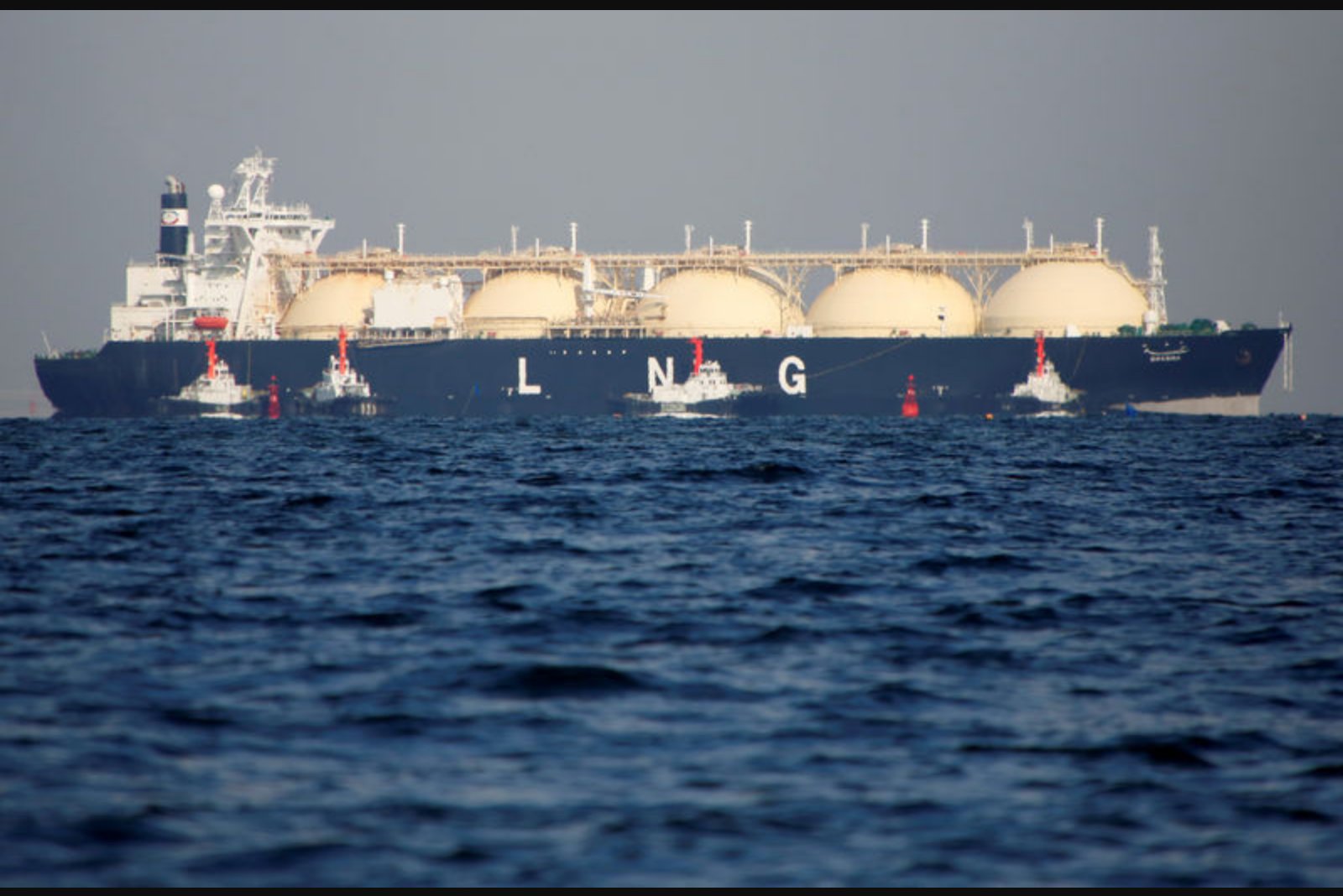
European natural gas prices dropped markedly on Friday following Iran's announcement that the Strait of Hormuz was open to commercial vessels during a temporary ceasefire between Israel and Lebanon.
By 09:40 ET (13:40 GMT), the benchmark Dutch front-month contract at the TTF hub had fallen 8.0% to 38.99 euros per megawatt hour (MWh), according to data from the Intercontinental Exchange. The move reflected markets reacting to Iran's public statement that the maritime corridor would be available for commercial shipping for the duration of the ceasefire.
In a post on X, Iran's foreign minister Abbas Araghchi said: "In line with the ceasefire in Lebanon, the passage for all commercial vessels through Strait of Hormuz is declared completely open for the remaining period of ceasefire[.]" The post directly linked the reopening to the temporary halt in hostilities in Lebanon.
U.S. President Donald Trump also noted the decision on social media, writing: "IRAN HAS JUST ANNOUNCED THAT THE STRAIT OF IRAN IS FULLY OPEN AND READY FOR FULL PASSAGE. THANK YOU!"
Even with the reopening, benchmark EU natural gas prices remain higher than levels seen before the outbreak of the war. The effective closure of the Strait of Hormuz had been one factor pressuring supplies to Europe. In addition, attacks on energy infrastructure - most notably on production facilities in Qatar - have dented available gas volumes and contributed to a global rise in gas prices.
Trump had earlier announced a 10-day ceasefire between Israel and Lebanon on Thursday. The continuation of Israeli strikes on Hezbollah targets in Lebanon had been a point of contention in the broader negotiations between Iran and the U.S., according to public statements included in the diplomatic discourse.
Separately, Trump suggested that negotiations between Washington and Tehran could resume over the upcoming weekend. He said the U.S. and Iran were "very close" to reaching a deal and added that Iran had agreed not to possess a nuclear weapon for more than 20 years. Trump has cited a desire to curb Iran's nuclear ambitions as a central justification for the war, which began with joint U.S. and Israeli strikes on Iran in late February.
Iran, for its part, has called for the removal of international sanctions as part of any settlement. Trump indicated he would consider extending a temporary ceasefire with Iran - set to expire later this month - if Washington was close to reaching an agreement with Tehran.
Axios reported that Washington and Tehran were discussing a three-page plan to conclude the conflict, citing officials familiar with the talks. One element of the proposed plan reportedly involved the U.S. releasing $20 billion in frozen Iranian funds in exchange for Iran agreeing to give up its enriched uranium.
Key points
- TTF front-month contract fell 8.0% to 38.99 euros/MWh by 09:40 ET (13:40 GMT), per ICE data.
- Iran declared the Strait of Hormuz open to commercial shipping for the remaining period of the Israel-Lebanon ceasefire.
- Diplomatic activity between Washington and Tehran continued, with reports of a draft three-page plan that could involve $20 billion in frozen funds.
Risks and uncertainties
- Ceasefire duration - The reopening of the Strait of Hormuz is tied to a temporary truce; any change in the ceasefire status could quickly alter shipping flows and market sentiment. This risk affects shipping and energy sectors.
- Energy infrastructure threats - Continued attacks on production facilities, such as those cited in Qatar, remain a source of supply disruption and price volatility for global gas markets.
- Negotiation outcomes - Talks between Washington and Tehran are ongoing and fluid; the specifics and timing of any agreement, including potential sanctions relief or fund transfers, remain uncertain and could influence energy markets and financial flows.