
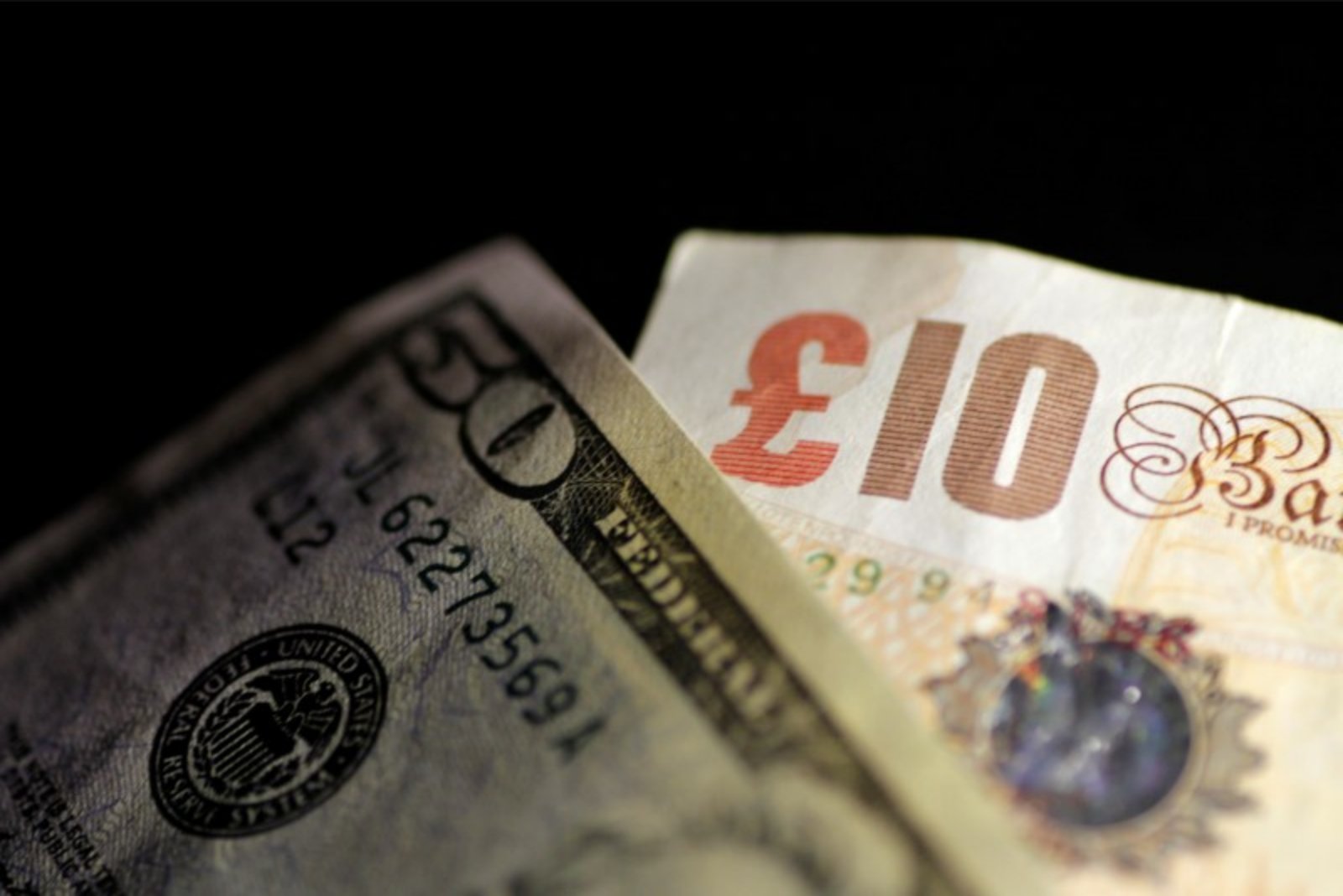
Sterling remained positioned just under the $1.34 mark and the euro was close to $1.16 on Tuesday, reversing a portion of gains seen on Monday as the US dollar staged a broad-based comeback despite a sharp fall in oil.
At 08:30 ET (12:30 GMT), GBP/USD was trading 0.08% lower at 1.3411, while EUR/USD was up 0.05% at 1.1595. The dollar’s recovery came amid an extension of the oil sell-off that followed reports of a preliminary US-Iran ceasefire agreement.
ING strategist Francesco Pesole observed that the early trading following the US-Iran deal has already left the dollar structurally stronger than it was a few weeks ago, with nearly all of the weekend losses reversed.
Pesole added that foreign exchange markets are moving their focus away from crude and returning attention to central bank dynamics. He said tightening expectations are increasingly being driven by economic data and communications from the Federal Reserve rather than energy price moves.
All eyes are now on the Federal Open Market Committee meeting scheduled for Wednesday, where the new Fed chair Kevin Warsh is expected to face pressure to indicate that further rate hikes remain a possibility. Pesole noted that the dollar will rely on signals from policymakers to maintain its resilience, and he pointed to Australia as an example where a central bank’s hawkish hold did not convince markets, leaving the Australian dollar under pressure.
On the euro, Pesole described EUR/USD as sitting on a "very unstable floor," noting the pair has round-tripped back to Friday’s price levels. ING highlighted that the 2-year EUR:USD swap differential continues to widen and that downside risks remain, with EUR/USD possibly testing levels below 1.150 if questions emerge about the durability of the deal or if reopening of the Strait of Hormuz is delayed.
Turning to sterling, market consensus anticipates the Bank of England will keep its policy rate unchanged at 3.75% at its Thursday meeting, with the decision likely to be split among policymakers as they balance persistent inflation against a weakening labour market. At present, traders are pricing in only one more rate increase for the year, and that move is not fully expected until December.
Political developments are also on investors’ radars. Thursday’s Makerfield by-election could be a market-moving event if a win for Andy Burnham prompts a Labour leadership contest, an outcome that market participants regard as a potential headwind for the pound.
Market context
- Dollar rally has offset the impact of lower oil after preliminary US-Iran ceasefire reports.
- FX attention shifting toward central bank messaging ahead of the FOMC and the Bank of England meeting.
- Political and policy risks in the UK could influence sterling direction in the near term.