
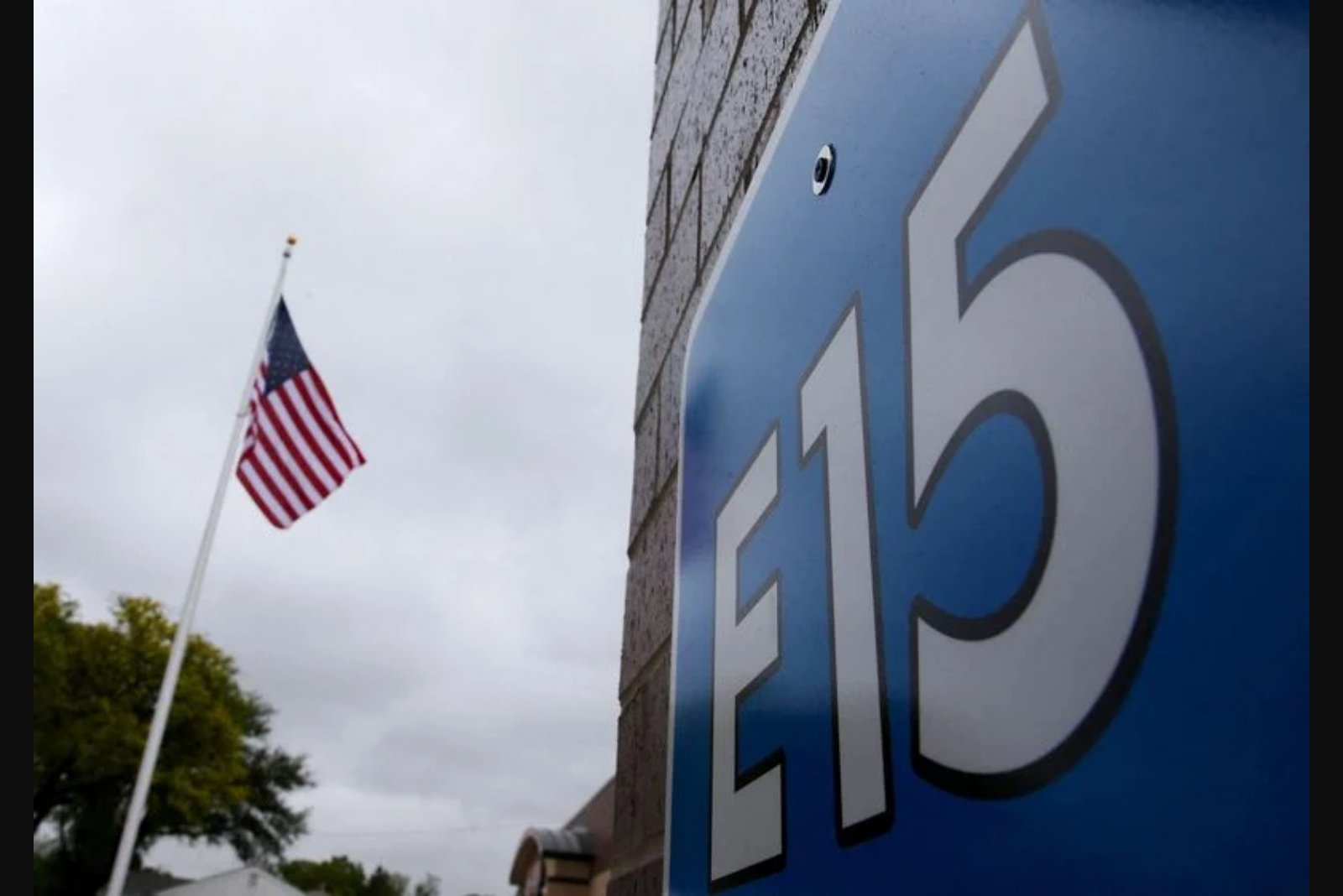
A U.S. official said President Donald Trump will add a provision to a supplemental funding bill on Wednesday that would allow gasoline containing 15% ethanol, commonly called E15, to be sold year-round.
The inclusion of the measure marks the first formal attempt by the White House to turn long-standing support for year-round E15 sales into policy. The change would answer a priority repeatedly pushed by the biofuels industry.
Policy and opposition
While the President has previously signaled support for allowing E15 to be available throughout the year, the decision to place the provision in a funding vehicle signals a more determined effort to advance the policy. U.S. refiners have opposed loosening the summer restrictions on E15, arguing that broader sales could increase costs and complicate distribution systems.
How current regulations work
Under existing federal rules, gasoline blended with 10% ethanol (E10) may be sold year-round. By contrast, sales of the 15% ethanol blend are limited during the summer months because the higher ethanol content causes fuel to evaporate more readily in hot weather and can contribute to smog formation. To comply with federal regulations, many retailers switch to more expensive summer-grade formulations unless they receive emergency waivers from the government.
Context and immediate implications
This legislative step represents a formal White House push to alter the current regulatory treatment of E15. The official description of the move highlights both the administration's alignment with biofuels interests and the prospective clash with refining industry concerns about cost and logistical impacts.
What remains uncertain
The official announcement does not resolve whether the measure will be enacted, nor does it provide details on implementation or transitional arrangements for retailers and suppliers. The longstanding summer restrictions and the role of emergency waivers remain central practical issues for the fuel distribution chain.
Bottom line: The White House plans to push a provision to permit year-round E15 sales via a supplemental funding bill, formalizing presidential support and prompting resistance from refiners who cite cost and distribution concerns, while summer restrictions on E15 remain tied to evaporation and smog risks.