
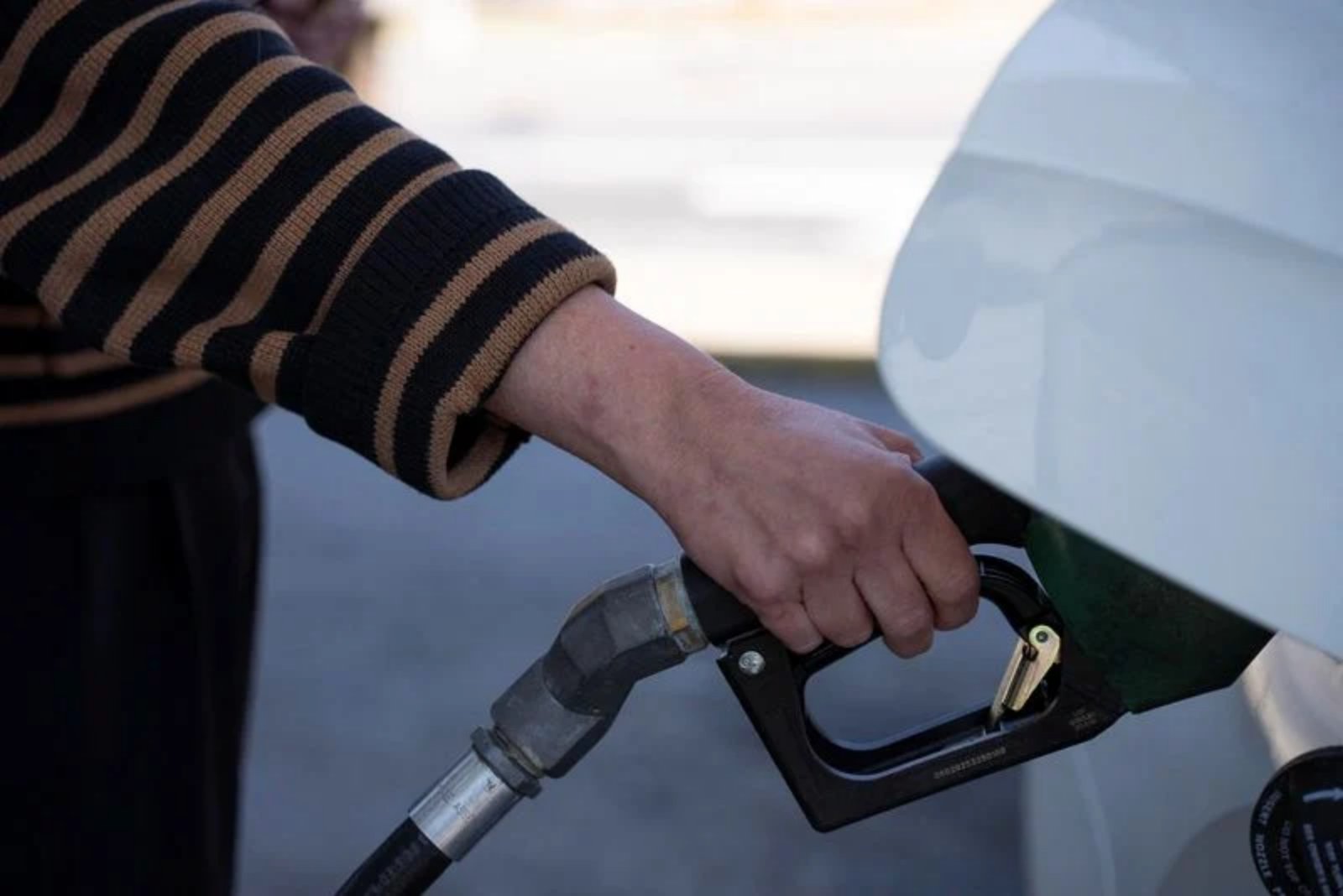
U.S. average retail gasoline prices dipped beneath the $4-a-gallon mark for the first time since mid-April amid growing optimism that a preliminary memorandum between the United States and Iran could lead to reopening of the Strait of Hormuz - a critical chokepoint for global oil flows.
On the heels of the announcement, crude oil futures fell by more than $4 a barrel, a move that helped push down pump prices across the country. The memorandum of understanding was disclosed after U.S. President Donald Trump said the two countries had agreed to an approach intended to bring an end to a near four-month conflict, though observers noted it remains uncertain whether the accord will be durable.
Market reaction and consumer impact
GasBuddy data showed the national average retail price for gasoline at $3.997 a gallon on Sunday, the first reading under $4 since mid-April. Motorist group the American Automobile Association recorded a national average of $4.065 on Monday. Despite the recent decline, average pump prices remain 90.8 cents higher than they were at the same point last year.
Analysts say breaching the $4 threshold is often regarded as a psychological level where consumers may begin to alter fueling behavior, such as cutting back on mileage or seeking cheaper alternatives. For the Trump administration, easing gasoline costs could provide some political relief ahead of November’s midterm elections, after months of criticism over rising fuel expenses.
What analysts are saying
"The real test now shifts to the Strait of Hormuz, where any reopening and resumption of normal oil flows would be the clearest signal that this relief is durable," said Patrick De Haan, head of petroleum analysis at GasBuddy. "For now, the national average could continue falling, provided there isn’t a drastic reversal and the U.S. and Iran continue moving in a positive direction."
President Trump said the text of the memorandum would be released following a formal signing ceremony scheduled for Friday and publicly stated that the Strait of Hormuz would be fully reopened. Yet experts cautioned that reopening the key waterway could take weeks, because removing mines and restoring secure navigation is a complex operation.
Inventory and structural concerns
Underlying the recent price relief are persistent supply constraints. The U.S. gasoline market faces the prospect of a supply squeeze as steady domestic demand and strong fuel exports threaten to further deplete already thin inventories. Government figures showed gasoline stocks in the first week of June fell to 215.1 million barrels, the lowest seasonal level in a decade.
Tom Kloza, chief energy advisor at Gulf Oil, warned that unless significant progress is made on clearing the strait, restoring marine insurance on vessels and reducing attacks by Iranian proxies, the respite in prices could prove temporary.
Broader economic context
Gasoline prices climbed above $4 in late March after Iran blocked most shipping through the Strait of Hormuz, which handles nearly a fifth of global oil flows. The rise in fuel costs contributed to consumer inflation, which in May moved above 4% for the first time in three years. The Labor Department has reported that easing gasoline costs helped moderate consumer inflation expectations in the month.
"This is a fragile structure," said Bjarne Schieldrop, chief commodities analyst at SEB. "It can easily break down. There may be details which cannot be overcome," he said, referring to the memorandum between the U.S. and Iran.
As of Monday, De Haan estimated that Americans have collectively spent roughly $46 billion more on gasoline since the conflict began. That elevated consumer spending on fuel highlights how shifts in shipping security and crude pricing can ripple through household budgets and broader inflation metrics.
Near-term outlook
While the memorandum has produced a near-term decline in crude and retail gasoline prices, multiple factors will determine whether this easing persists: the pace and success of mine clearance and other actions to reopen the Strait of Hormuz, whether the memorandum is fully implemented and holds, and the balance between continued domestic demand and export volumes that are drawing down U.S. inventories.
Analysts caution that if any of those conditions deteriorate, the recent drop in pump prices may be short-lived.
Summary
The memorandum between the U.S. and Iran briefly eased crude markets and pushed the U.S. national gasoline average below $4 a gallon for the first time since mid-April, but thin inventories, strong demand, and the time-consuming process of reopening the Strait of Hormuz mean the relief could be fragile and temporary.