
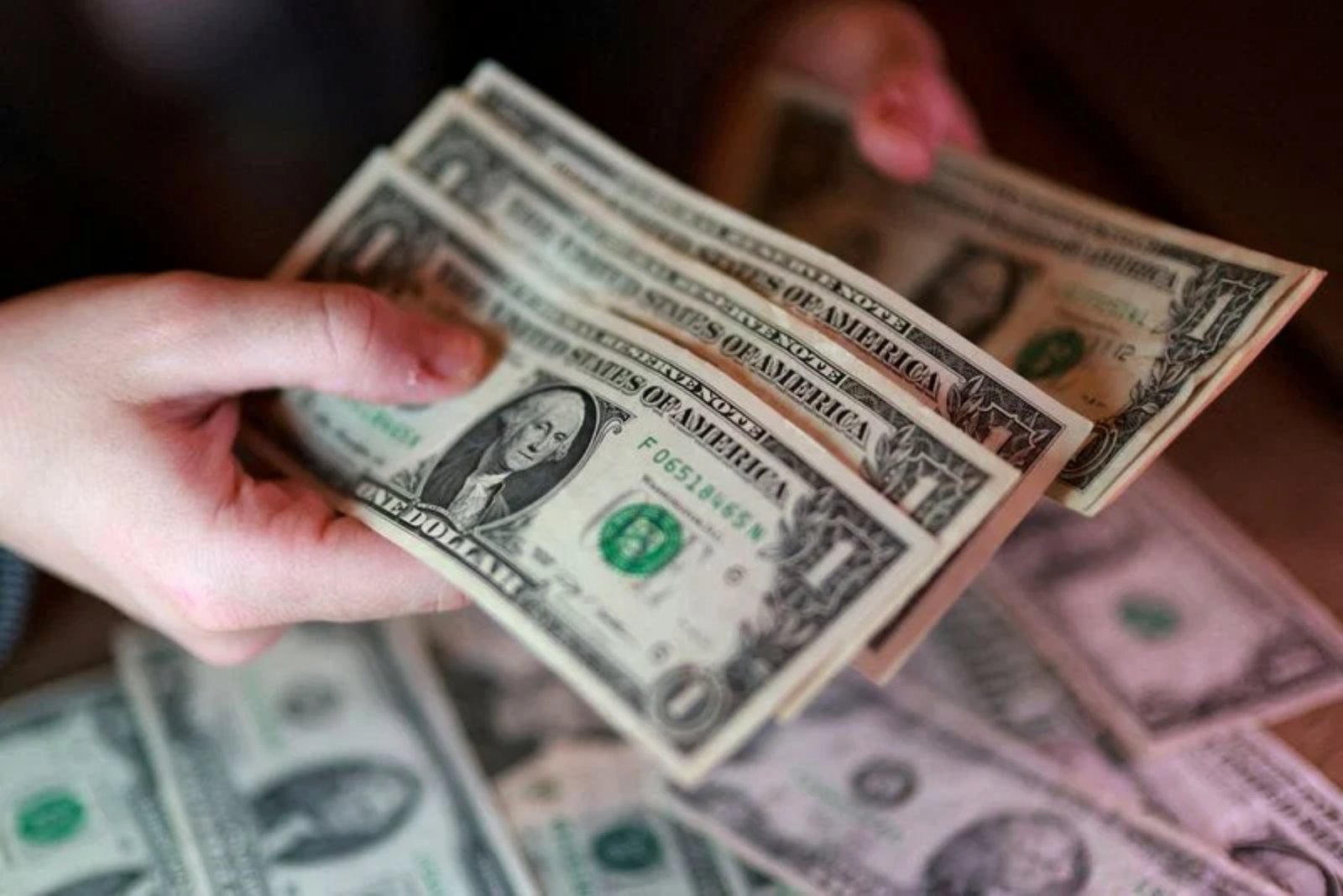
The U.S. dollar maintained its position near 10-day lows on Tuesday as a preliminary agreement aimed at ending the Middle East conflict bolstered investor risk appetite. Attention is now shifting toward central bank meetings in Japan and Australia, where policymakers will signal whether the peace deal arrives too late to alleviate near-term inflation pressures. The Bank of Japan is widely anticipated to increase interest rates later on Tuesday, while the Reserve Bank of Australia is projected to keep rates unchanged.
U.S. President Donald Trump announced that a preliminary deal to halt the war has been signed by the United States and Iran. Although specific terms remain undisclosed, global markets responded positively, driving oil prices lower. The agreement would extend a fragile ceasefire established in April by an additional 60 days and reopen the Strait of Hormuz, a critical maritime chokepoint that Tehran has effectively blocked since U.S. and Israeli strikes on Iran in February.
Currency market movements were restrained relative to other asset classes as investors braced for a series of central bank decisions throughout the week, including those from the Bank of England and the U.S. Federal Reserve. The euro was trading at $1.159, just shy of the 10-day high of $1.1622 reached on Monday. Sterling fetched $1.3413 in early Tuesday trading. The dollar index, which tracks the U.S. currency against six major counterparts, stood at 99.66. This index has climbed 2% since the conflict erupted at the end of February, reflecting volatile reactions to a fragile ceasefire and recurring military exchanges.
"While energy markets have rapidly priced out the immediate risk of extended supply disruptions, the road back to normal trade flows remains highly complex," noted Tony Sycamore, market analyst at IG. Concerns regarding supply chain normalization are expected to keep investors cautious, with near-term inflation and interest rate outlooks still uncertain. ING analysts observed that market pricing has moved faster than ground realities and remains sensitive to deal developments. "A more sustained market adjustment depends on secure, predictable, and insured shipping through the Strait of Hormuz," the analysts stated. "Demand for energy is likely to exceed historical norms as depleted reserves require replenishment. While the risk of re-escalation has diminished, it has not been eliminated."
Key Points:
- The U.S. dollar weakened near 10-day lows as a Middle East peace deal boosted risk sentiment and lowered oil prices.
- The Bank of Japan is expected to raise rates, while the Reserve Bank of Australia is projected to hold, both influencing inflation and rate expectations.
- Supply chain normalization and shipping security through the Strait of Hormuz remain critical for sustained market stability.
Risks and Uncertainties:
- Supply chain disruptions and uneven shipping security could prolong inflationary pressures and delay rate cuts.
- Market repricing remains fragile and dependent on confirmed, insured shipping routes through the Strait of Hormuz.
- Residual re-escalation risks in the Middle East continue to pose threats to global energy markets and trade flows.
The Australian dollar was quoted at $0.7069 ahead of the Reserve Bank of Australia policy meeting. The central bank is widely expected to maintain current rates following three consecutive hikes, despite inflation remaining elevated. Charu Chanana, chief investment strategist at Saxo, emphasized that market participants will closely monitor whether the RBA retains a tightening stance or begins to acknowledge easing inflationary pressures. "The RBA is unlikely to adopt a strongly dovish tone just yet. Inflation has not fully returned to target ranges, and markets continue to price in a meaningful probability of a final rate hike before year-end," Chanana explained.
The Japanese yen traded at 160.24 per U.S. dollar, hovering near the psychologically significant 160 level that has historically triggered Japanese intervention fears. Even the peace deal is unlikely to provide immediate relief for the struggling currency. The Bank of Japan is scheduled to raise interest rates to a 31-year high on Tuesday. With the hike broadly anticipated, investor focus will shift to the tone surrounding future rate hikes and the pace of further tightening. Deputy Governor Shinichi Uchida’s press briefing following the decision will be closely watched, as he is expected to reiterate the BOJ’s commitment to continued rate increases while refraining from providing explicit guidance on future timing.
Yuxuan Tang, head of rates and FX strategy for Asia at J.P. Morgan Private Bank, warned that a dovish interpretation of BOJ communications could reignite yen and Japanese government bond shorts, making market stabilization increasingly expensive. "The BOJ has historically avoided overly hawkish language in its communications, particularly given recent inflation stabilization and growth risks stemming from high energy prices," Tang observed.