
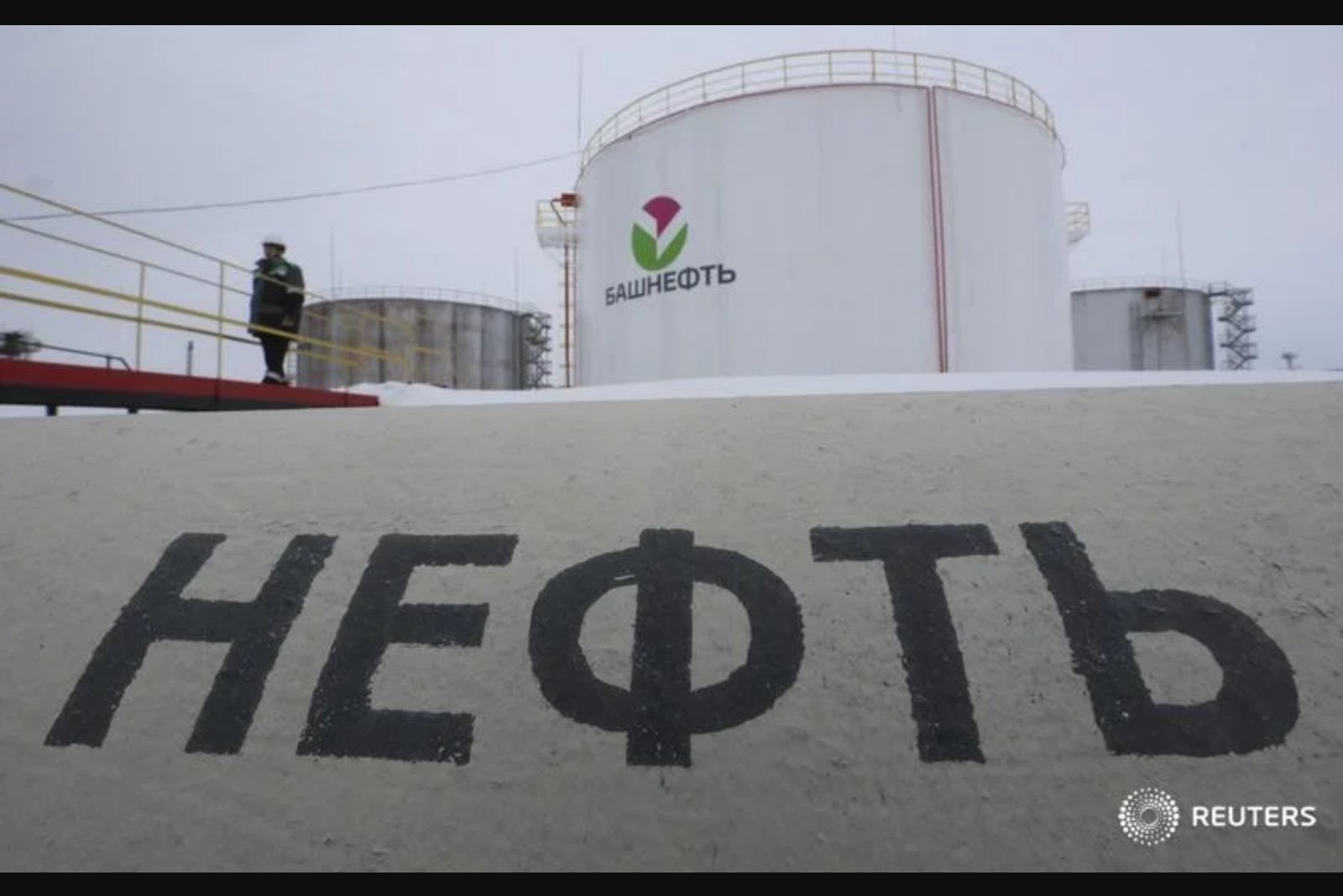
Monitoring data show that Urals crude prices at ports on the Baltic and Black Sea reached their highest point in three months in early September. Free-on-board (FOB) rates for cargoes loading at Primorsk, Ust-Luga and Novorossiysk rose above $80 per barrel this week, the first occasion those specific loading prices have exceeded that level since June 4.
The uptick in Urals FOB values came as global oil benchmarks edged toward $100 per barrel after reports of new strikes in the Middle East prompted renewed supply concerns. Market moves in world crude benchmarks have helped lift the FOB levels observed at those Russian export locations.
Looking at recent monthly averages, Urals FOB prices were above $80 per barrel in April and May, a period that coincided with heightened tensions between the United States and Iran. Prices then declined through the summer months, slipping below $70 per barrel before the recent rebound in early September.
Separately, the current spot rouble-denominated tax price of Urals is about 7,000 roubles per barrel, equivalent to $82.12 at the stated conversion. That figure exceeds the 5,440 roubles per barrel assumption used in the calculation of Russia's federal budget revenues for 2026. The 2026 budget estimate is based on a basket that combines Urals crude with the higher-priced ESPO Blend grade.
The observed moves in FOB and tax-referenced rouble pricing highlight differences between short-term spot dynamics at specific Russian export ports and the assumptions embedded in fiscal planning. The recent price rise reflects contemporaneous global market pressure from Middle East-related supply anxieties, while the budgetary reference point relies on a blended, policy-relevant price metric.
Context limitations: The available monitoring data describe port-level FOB price moves and the current rouble-denominated tax reference. They do not provide detailed volumes, contractual breakdowns, or longer-term projections beyond the reported averages and budget assumption.