
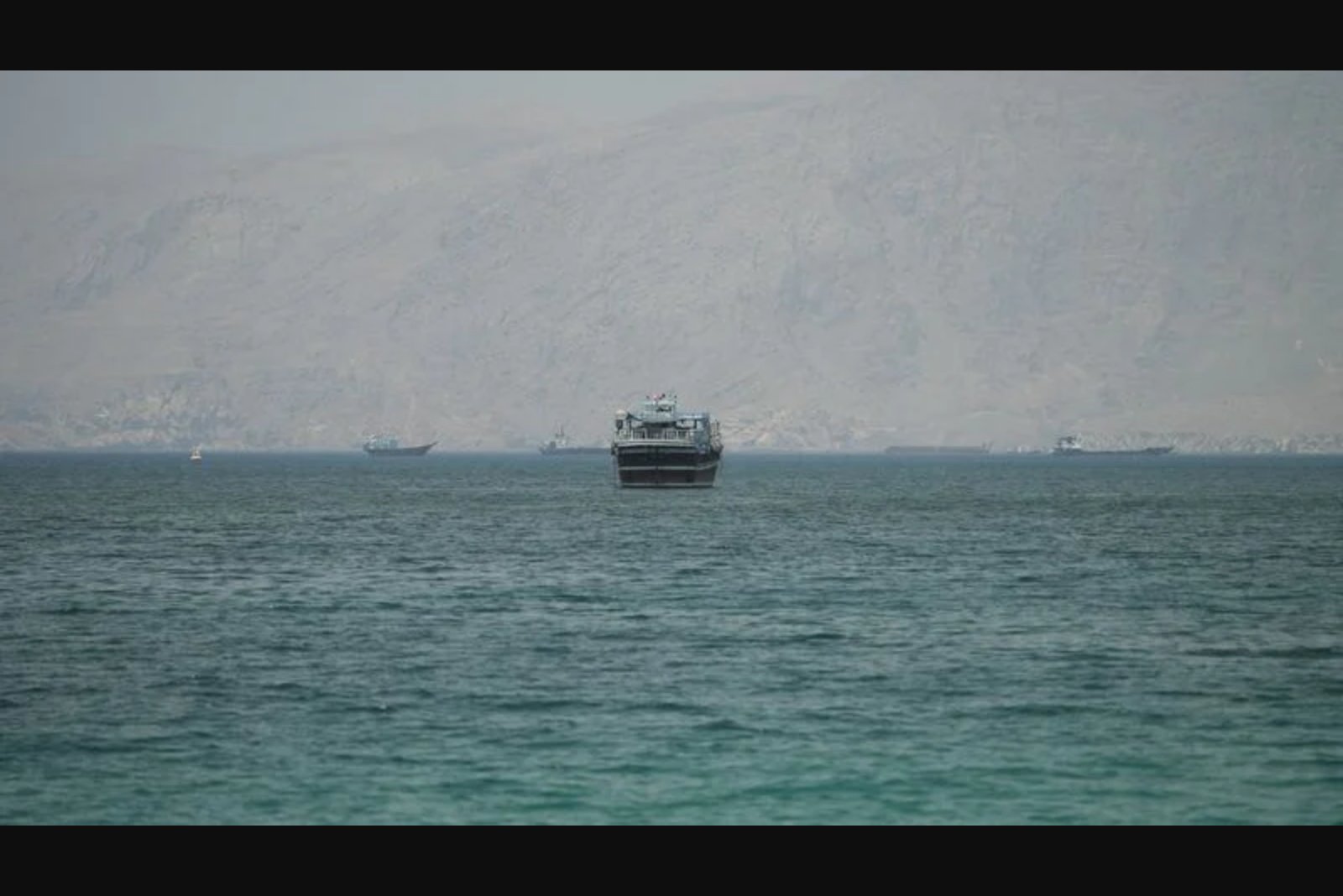
Ship-tracking services recorded a pickup in shipping through the Strait of Hormuz this week as two previously stranded supertankers transited the waterway and a group of Qatar-linked liquefied natural gas (LNG) carriers moved back into the Gulf to reload.
Data compiled from maritime monitors show the Very Large Crude Carrier Dubai Energy - chartered by Taiwanese state energy firm CPC and loaded with about 2 million barrels of Abu Dhabi and Saudi crude - passed through the strait overnight and is now bound for Kaohsiung, Taiwan, according to LSEG and Kpler. CPC did not respond to a request for comment.
Another VLCC, Universal Glory, which was chartered by South Korean refiner GS Caltex and is carrying roughly 2 million barrels of Saudi crude, exited the strait on Tuesday, the tracking data indicated. GS Caltex declined to comment.
Ship data also showed that two sanctioned Suezmax tankers, Sobar and Sarak, were heading into the strait on Tuesday; each Suezmax vessel has a carrying capacity of about 1 million barrels of oil.
Return of Qatar-linked LNG tonnage
In what maritime monitors described as an early sign of Gulf gas shipments resuming, seven ballast tankers controlled by QatarEnergy moved west into the Gulf to reload between June 11 and June 22, according to ship-tracking records from Vortexa and Kpler. These are the first such inbound voyages since U.S. and Israeli airstrikes on Iran on February 28.
The initial three QatarEnergy vessels observed making inbound transits - Al Hamla, Al Areesh and Al Khuwair - were recorded with their automatic identification systems (AIS) switched off, Vortexa reported. Kpler data showed those three had last appeared outside the strait in mid-June and then reappeared on tracking feeds between June 19 and June 23.
The remaining four QatarEnergy-controlled ships - Wadi Al Sail, Mekaines, Al Sadd and Mesaimeer - were recorded entering the strait on Monday via the Iranian route. QatarEnergy did not immediately respond to a request for comment outside their business hours.
Commonwealth Bank of Australia analyst Vivek Dhar noted this movement represented the largest volume of empty LNG vessels transiting the strait since the conflict began and said the ship-tracking patterns supported expectations that QatarEnergy would meet its LNG ramp-up schedule.
On Monday there was an explosion at a gas processing facility inside the Ras Laffan industrial complex, but the energy minister stated Qatar’s LNG facilities were not affected, according to the tracking and reporting data. One QatarEnergy-controlled tanker, Al Ghashamiya, was last observed inside the strait on June 9 carrying a cargo loaded on March 1 from Ras Laffan; it was recorded outside the strait again on June 22.
Context for the surge
Traffic through the waterway had weakened in the run-up to recent U.S.-Iran talks, a slowdown that coincided with threats by U.S. President Donald Trump to restart the war and an announcement from Tehran that it had again shut the strait. The first round of those talks began on Sunday and concluded a day later, with both sides agreeing on a roadmap toward a permanent deal to be finalized within 60 days.
Following the talks, the U.S. issued a sanctions waiver through August 21, a temporary measure that officials said eased immediate concerns over global oil and LNG supplies and contributed to downward pressure on energy prices.
Analysts said more crude oil cargoes that have been stranded in the Gulf since the start of the war are now expected to transit out, and that a growing number of sanctioned tankers have been traversing the strait to load and export Iranian oil after the U.S. applied the waiver.
Market and industry reactions
Despite the recent uptick in vessel movements, industry observers noted a cautious and phased approach to restoring wider shipping operations. S&P Global Energy analyst Ayush Agarwal said widespread movement of ballast Qatari and ADNOC vessels toward the Gulf had not yet materialized and described the pattern as reflective of a deliberate restart strategy.
S&P Global Energy also highlighted key uncertainties that could affect whether Gulf LNG exports are able to ramp up sustainably: continued safe passage for vessels, restored insurer confidence, and successful implementation of the memorandum of understanding signed between the U.S. and Iran.
What the tracking data show
- Two previously stranded supertankers transited the Strait of Hormuz this week.
- Seven QatarEnergy-controlled ballast LNG tankers moved west into the Gulf to reload between June 11 and June 22; the first such voyages since Feb. 28.
- Iranian-linked and sanctioned tankers continued to transit the strait, with traffic increasing as U.S.-Iran talks progressed.
While the recent movements signal a resumption of some Gulf shipping flows, officials, insurers and market participants continue to watch for whether those flows will be sustained over the coming weeks as diplomatic and commercial conditions evolve.