
Commodities June 18, 2026 10:42 AM

Restoring oil flows through the Strait of Hormuz likely to take months, banks say

Goldman, BNP Paribas and Bank of America warn that production and shipping constraints will delay a return to pre-conflict export levels

By Nina Shah
Share
Twitter Reddit Facebook LinkedIn

Bank analysts warn that oil shipments through the Strait of Hormuz and crude production are unlikely to return to pre-conflict levels quickly despite an interim U.S.-Iran agreement. Goldman Sachs, BNP Paribas and Bank of America all highlighted logistical, operational and geopolitical hurdles that could stretch normalization over several months, keeping markets sensitive to supply risks.

Restoring oil flows through the Strait of Hormuz likely to take months, banks say
Summarize with
ChatGPT Perplexity Claude Grok Gemini

Key Points

  • Goldman Sachs expects Middle East Gulf exports to normalise to pre-war levels by the end of July and crude production to recover by October - impacts oil producers and trading markets.
  • BNP Paribas says normalization would still take several months and requires bringing back about 12 million barrels per day of shut-in production - affects upstream producers and refinery feedstock planning.
  • Bank of America warns mine-clearing and logistical tasks could take months and that oil markets could remain in deficit until the fourth quarter of 2026 - relevant to shipping, insurance and commodity traders.

Analysts at two banks said a recovery in oil flows through the Strait of Hormuz and a broader resumption of crude production following the interim U.S.-Iran deal will not be immediate and could take several months.

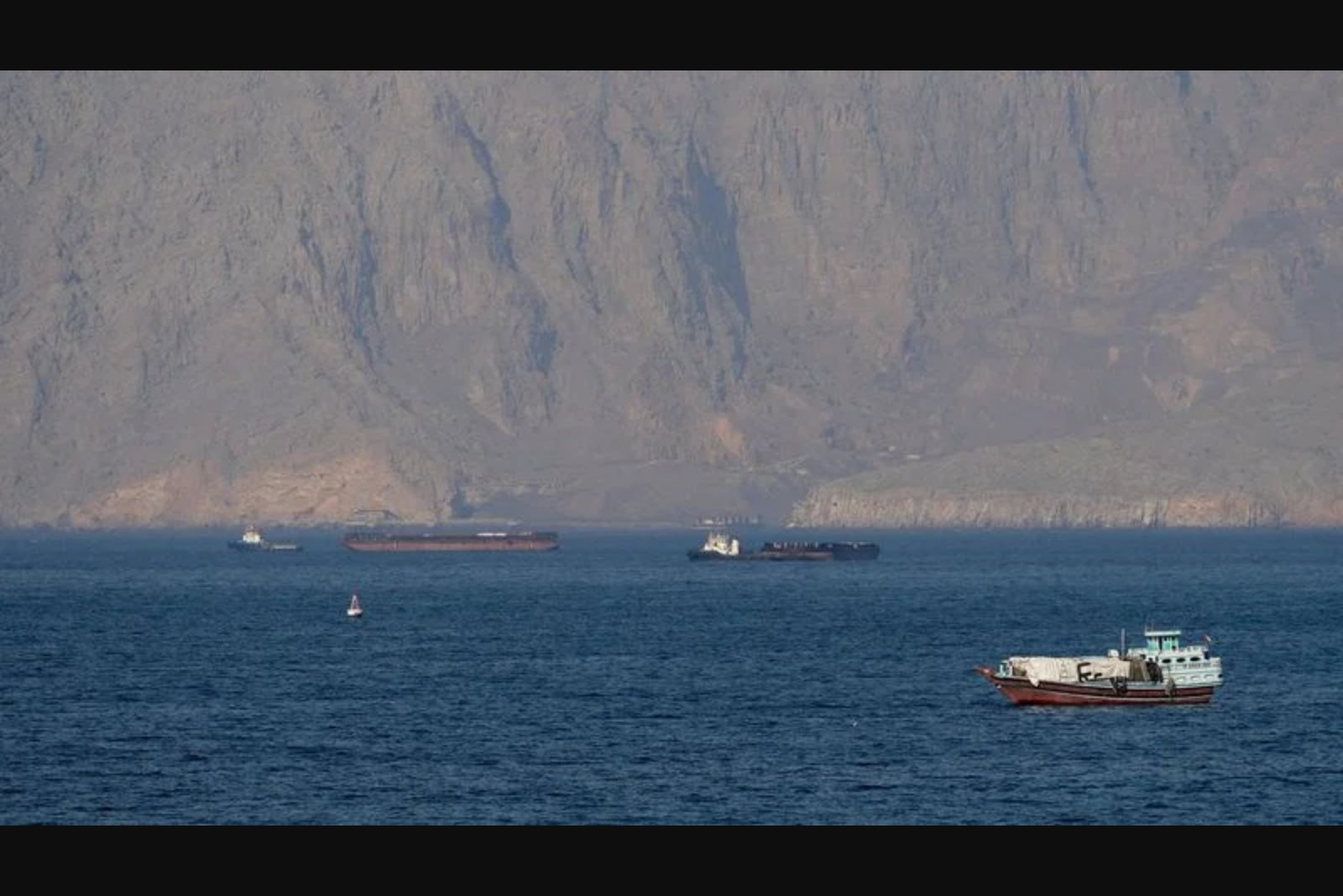
The Strait of Hormuz is a critical artery for global energy markets, with roughly one-fifth of world oil supply passing through the waterway. Shipments were disrupted during the Iran conflict, a disruption that helped push Brent crude up to as much as $126 a barrel in April, a four-year high.

Goldman Sachs set out a timetable for normalization in a June 17 report, saying it expects Middle East Gulf exports to return to pre-war levels by the end of July, and for crude production to recover by October. The bank warned that while the number of available ships is not, in itself, a binding constraint on exports, shipowners' risk aversion could reduce effective shipping capacity. "We see shippers’ risk aversion as a potential constraint on the flows, along with Iran’s geopolitical goals over the upcoming 60-day nuclear deal negotiations," the report said.

BNP Paribas reached a similar conclusion on timing, noting that even under a best-case scenario it would take several months for oil flows to normalise. The bank added that such a normalization would require producers to bring back roughly 12 million barrels per day of shut-in production.

Bank of America highlighted a separate operational challenge, saying that clearing sea mines and related hazards arising from the conflict would probably take months rather than days because of logistical complexities. The bank added that oil markets could therefore remain in deficit until the fourth quarter of 2026.

Prices have eased since the U.S.-Iran agreement reduced the immediate threat of a prolonged supply squeeze. Brent was trading at about $77.16 a barrel as of 1403 GMT on Thursday.


Context and implications

The banks' assessments converge on a central point: resolving the political agreement is necessary but not sufficient to restore flows quickly. Operational steps - including reopening wells, reactivating shut-in production, and addressing maritime safety - will determine how fast volumes can return. Market participants should expect a transition period during which available supply may lag pre-conflict levels.

Reporting focuses on the banks' published forecasts and operational observations without extrapolating beyond those statements.

Risks

  • Shipowners' risk aversion could constrain exports even if vessels are available - risk for shipping lines, insurers and exporters.
  • Iran's geopolitical objectives during the 60-day nuclear deal negotiations could limit flows - geopolitical risk for oil markets and supply-sensitive sectors.
  • Logistical challenges such as clearing mines may delay restoration of safe passage and keep markets in deficit - operational risk for maritime services, upstream production and refineries.

More from Commodities

OPEC Holds Demand Outlook Steady Through 2030, Raises Long-Term Estimate Jun 18, 2026 Screwworm Returns to U.S. Southwest: What Pet Owners Need to Know Jun 18, 2026 Massive Blasts Rock Moscow Refinery as Ukrainian Drones Strike Inside City Limits Jun 18, 2026 Three Saudi Supertankers Transit Strait of Hormuz After Iran-U.S. Agreement, Ship Data Shows Jun 18, 2026 UBS Rebalances Portfolio Toward Industrial Metals, Scales Back Energy Exposure Jun 18, 2026