
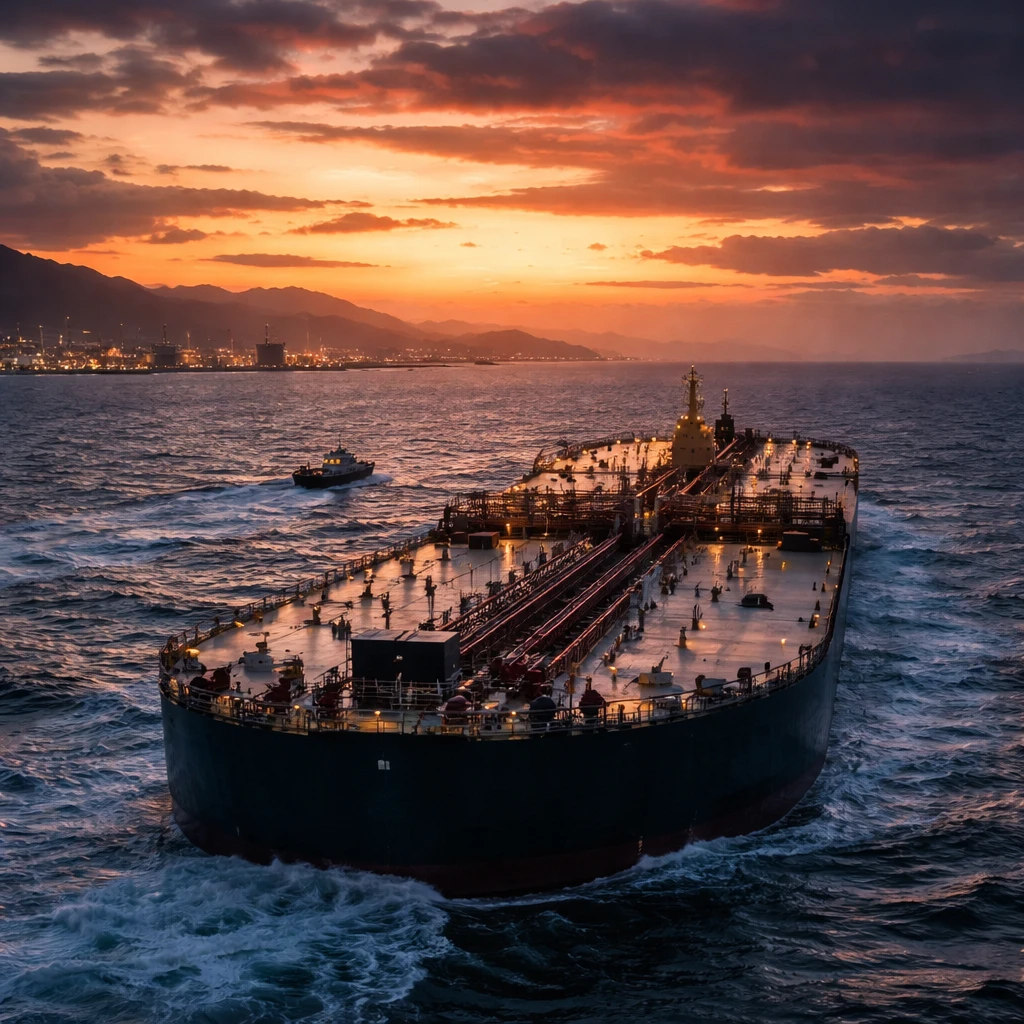
Oil prices advanced on Tuesday, extending a recent upward trend as additional Houthi strikes inside Saudi Arabia and the delay of discussions about reopening the Strait of Hormuz intensified concerns over potential supply interruptions from the Middle East.
By 20:16 ET (00:16 GMT), Brent crude futures had climbed 0.9% to $106.64 a barrel, while West Texas Intermediate futures increased 0.9% to $102.34 a barrel. The market reaction reflected heightened attention to physical risks to shipments and infrastructure in the region.
Houthi offensive and impact on shipping
Yemen’s Iran-aligned Houthi movement launched additional strikes against targets in Saudi Arabia on Monday, consolidating positions along the Red Sea. Those positions enabled the group to carry out more attacks on shipping transiting the Bab al-Mandab strait, an artery for shipments that link the Red Sea to the Gulf of Aden and the wider Indian Ocean.
The Monday attacks came on top of strikes the previous week that had already taken Riyadh’s east-west pipeline offline. Analysts cited in reporting on the developments estimated that the Houthi offensive could result in disruptions equivalent to an additional 4% to 5% of global oil supplies, a scale that underlines the potential market impact of expanded fighting and shipping disruptions.
Hormuz talks delayed and flow constraints
Efforts to convene a meeting in Muscat between Iran and Gulf states aimed at reopening the Strait of Hormuz were postponed by Oman on Sunday. The meeting had been scheduled for Monday; Muscat did not indicate when it might be rescheduled. Negotiations intended to restore more-normal flows through Hormuz therefore remained on hold.
Flows through the Strait of Hormuz continued to be a fraction of pre-war levels, meaning there has been little improvement in the availability of global crude supplies that once passed through the chokepoint. Iran reported that a Panamanian-flagged oil tanker had been struck by sea mines while transiting Hormuz; U.S. Central Command issued a statement calling that report false.
U.S. President Donald Trump on Monday reiterated his frequent assertion that Iran was pursuing a peace deal. Tehran, however, denied that characterization and said there would be no talks until the country’s conditions were met. The Strait of Hormuz remains central to the crisis because it accounted for about a fifth of the world’s oil shipments prior to the U.S.-Iran war.
Market participants said the combination of fresh maritime and onshore attacks, together with stalled diplomacy over Hormuz, was keeping a risk premium on crude prices. The immediate price moves reflected trader concern that regional instability could further constrain an already tight supply picture.
Given the current state of flows and the contested security environment, observers continue to watch developments both onshore in Yemen and at sea near strategic chokepoints, as each can swiftly alter the balance of available crude to world markets.