
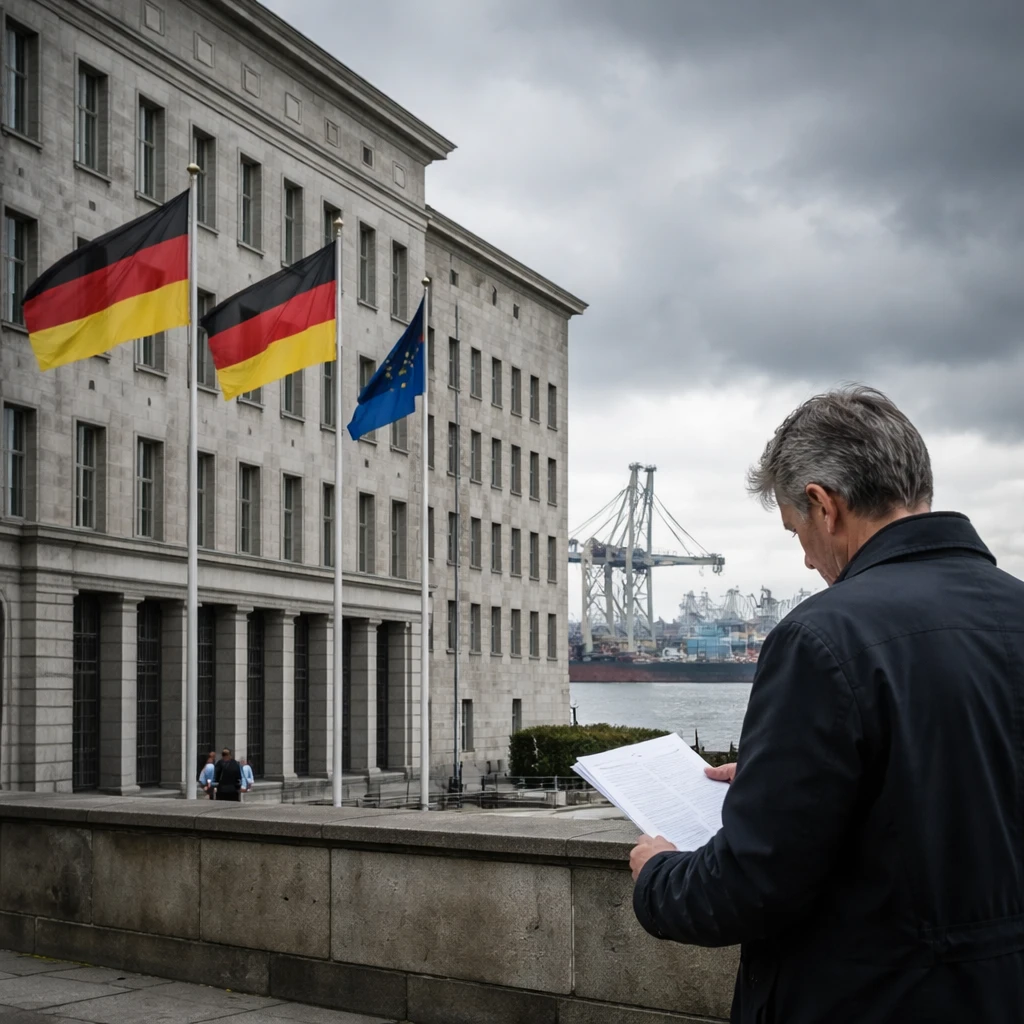
Germany's Finance Ministry on Monday signaled it is ready to weigh suspending the country's debt brake as an emergency step should economic fallout from the war in Iran materialize.
Europe's largest economy is preparing for the potential effects of the conflict, and officials at the Finance Ministry said a temporary exemption from the constitutional debt limits could be deployed if supply disruptions originating in the Middle East begin to affect Germany's economic performance.
Chancellor Friedrich Merz and his conservative Christian Democratic-led bloc have so far rejected the option of lifting the debt brake. Still, Finance Ministry authorities - under the leadership of Social Democrat Lars Klingbeil - declined to rule out a suspension that could be triggered by supply shocks tied to the region.
According to people familiar with the deliberations, ministry officials are drawing up several options as they assess ways to finance any necessary budget-expanding crisis measures. One scenario being considered is an exemption from the debt brake based on the emergency clause in the constitution.
"The federal government will continue to analyze the economic impact of the war in Iran on an ongoing basis and examine necessary measures," ministry spokeswoman Alma Laiadhi told reporters in Berlin.
"Currently, such a resolution is not in the works," Laiadhi added. "However, it remains essential to act with foresight and vigilance."
The ministry's comments indicate contingency planning is underway even as top government figures publicly oppose suspending the fiscal rule. Officials are reportedly assessing how to balance constitutional constraints with the need to respond to sudden economic stress stemming from supply interruptions.
Clear summary
The Finance Ministry has said it could consider invoking the constitutional emergency clause to suspend Germany's debt brake if supply disruptions from the war in Iran negatively affect the German economy. Chancellor Merz and his conservative bloc have rejected lifting the rule, but ministry officials are preparing a range of financing options for potential crisis measures. Ministry spokeswoman Alma Laiadhi said no such resolution is currently planned, while stressing the need for vigilance.
Key points
- The Finance Ministry is open to considering a temporary suspension of the constitutionally anchored debt brake as an emergency measure.
- Chancellor Friedrich Merz and his conservative Christian Democratic-led bloc have rejected lifting the debt brake.
- Ministry officials, led by Lars Klingbeil, are preparing several financing options, including an exemption under the emergency clause, in case supply disruptions from the Middle East affect Germany's economy.
Risks and uncertainties
- Uncertainty over whether supply disruptions tied to the war in Iran will materialize to an extent that warrants invoking the emergency clause - this affects sectors sensitive to supply interruptions and broader economic activity.
- Political resistance from the Chancellor and the conservative bloc creates uncertainty about whether any prepared options will be adopted.
- Although options are being drafted, ministry spokespeople say no resolution to suspend the debt brake is currently being pursued, leaving the timing and likelihood of action unclear.
This report reflects the statements and reported deliberations made public by the Finance Ministry and its spokeswoman. It does not assert any decisions beyond what officials have disclosed.