
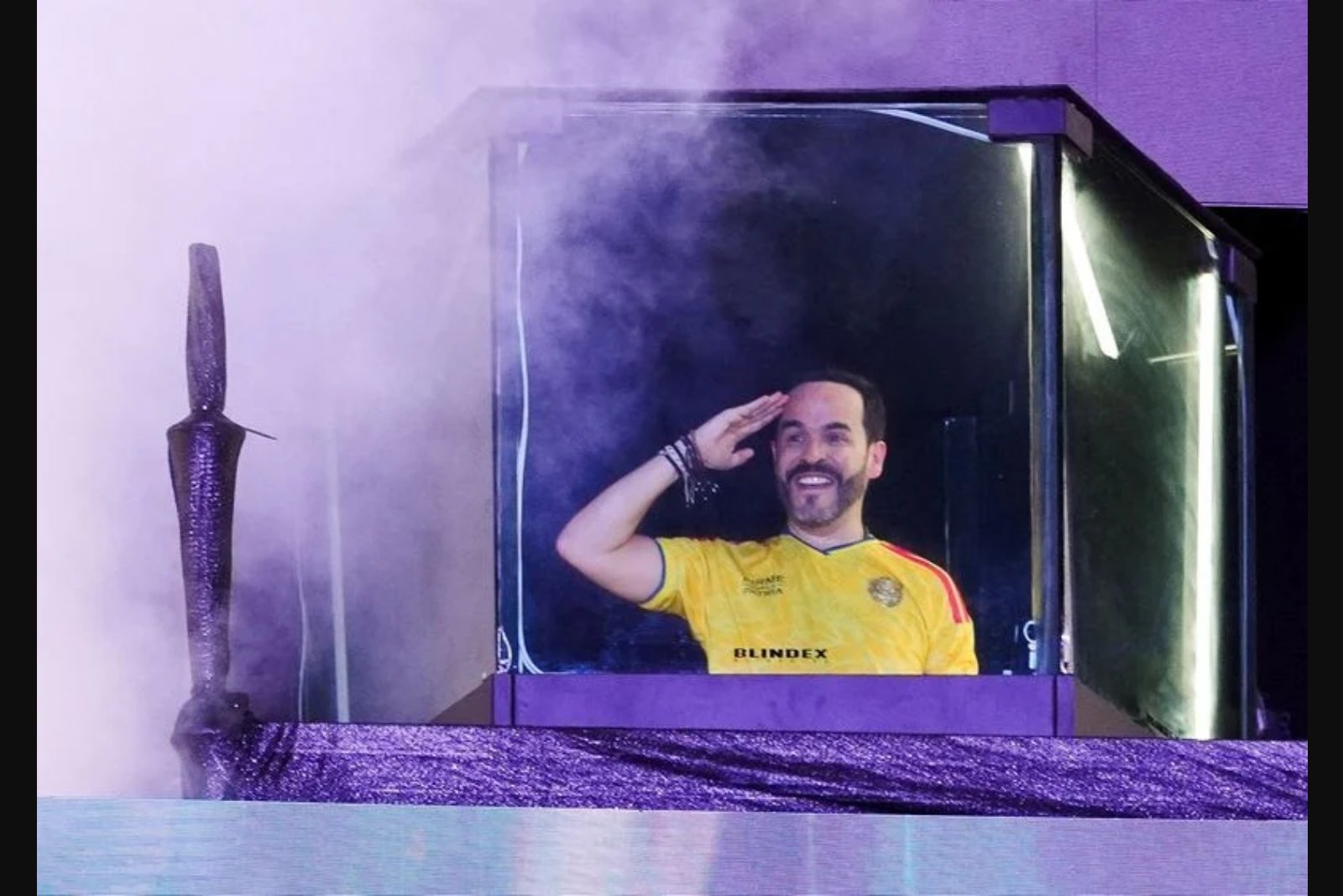
Colombia has moved to the political right with the election of Abelardo De La Espriella, a nationalist lawyer and political newcomer who won the presidency by a margin of less than 1%. The result amplifies a regional pattern of conservative gains that now includes Peru, where contested counts from the June 7 presidential runoff show conservative Keiko Fujimori projected to win by a hair over 0.2% after three previous unsuccessful bids.
These outcomes add Colombia and Peru to a cohort of countries - Argentina, Chile, Ecuador, Bolivia and Panama - that have recently shifted away from the left-leaning surge that once dominated parts of the region. That earlier movement brought several leftist administrations to power in the early 2020s, including Gustavo Petro, Colombia’s first leftist president. The current cycle marks a reversal of that trend.
Under Colombian law a final verified count, overseen by notaries and judges, is required. That verification process was nearly complete late Sunday, but it remained unclear whether the validated totals would match the initial results reported at the close of the runoff.
Across Latin America voter priorities have been reshaped by stagnant economies and rising crime rates. Candidates on the hard right, once considered fringe, have gained traction by promising tougher law enforcement and security crackdowns. Analysts point to a global rise in right-wing nationalism and a U.S. posture under President Donald Trump that seeks to counter China’s influence and to increase American engagement in the hemisphere as contributing factors.
Harvard University’s Steven Levitsky described the current alignment as unusual, noting that it is rare to see so many governments converging ideologically at once. "This is an unusual alignment of the stars for Trump," he said.
The recent U.S. approach in the region has involved direct and forceful measures. Over the past year President Trump has ordered strikes that reportedly killed more than 150 people on alleged drug boats in the Caribbean, launched a regional security initiative called the Shield of the Americas, and carried out an operation that captured Venezuelan President Nicolas Maduro in a raid on Caracas. In this environment Colombia’s former President Gustavo Petro has been one of Trump’s most vocal critics, drawing threats of military action and sanctions.
De La Espriella stands in contrast to Petro. A naturalized U.S. citizen who lived in Miami, he has been an outspoken supporter of Trump and received Trump’s endorsement ahead of the runoff. His platform includes joining the Shield of the Americas, intensifying action against drug trafficking, easing business regulations, cutting taxes and restarting oil and gas projects that were halted during the Petro administration.
His victory arrives as Colombia contends with gas shortages and as global energy markets face disruption linked to the war on Iran and the closure of the Strait of Hormuz. Observers argue that Latin America may be positioned to grow as an energy supplier, given vast oil reserves in Guyana and Venezuela and substantial shale formations in Argentina. Those resources, they say, could become more central to global energy flows under governments that favor expanded hydrocarbon development.
Yet the political shift toward the right brings immediate economic and fiscal complications. Right-leaning leaders in Argentina, Chile, Peru and Colombia have campaigned on tax cuts, smaller government and looser regulations for mining and fossil fuel projects. Many of those administrations face significant budget deficits that limit room for maneuver, forcing austerity measures and unpopular spending reductions that have sparked protests.
Bolivia declared a state of emergency over the weekend as authorities began to clear blockades that had paralyzed the country for more than 50 days. The blockades were in response to austerity policies enacted by center-right President Rodrigo Paz and were organized by labor unions and other groups opposed to those measures.
In Chile, President Jose Antonio Kast has seen his approval rating fall following government-driven fuel price increases tied to the Iran conflict. In Argentina, President Javier Milei’s austerity program has prompted recurring demonstrations. Meanwhile, security trends remain worrying: Ecuador experienced a 30% rise in murders last year, with President Daniel Noboa’s administration attributing the increase to violent competition among fractured criminal groups. Costa Rica has also seen murder rates climb under right-wing former president Rodrigo Chaves. His successor, President Laura Fernandez, pledged a hard line on crime, but killings have remained elevated as that Central American country has become a significant transshipment point for cocaine bound for the United States and Europe.
Analysts warn that Colombia’s intersecting problems of drug trafficking, illegal mining and limited state presence in remote regions will present a stern challenge to De La Espriella’s agenda. He won narrowly and will have to govern with a fragmented legislature: his main opponent Ivan Cepeda’s Historic Pact party holds more seats in Congress than any other party, meaning De La Espriella lacks unified legislative backing for sweeping changes.
Critics and comparators have taken note of De La Espriella’s public persona - his personal style and his proposals for "mega-prisons" - drawing parallels to El Salvador’s leader Nayib Bukele, who describes himself as the "world’s coolest dictator." De La Espriella has denied he is copying Bukele’s model.
Sergio Guzman, founder of Colombia Risk Analysis, cautioned that El Salvador’s security playbook cannot simply be transposed onto Colombia. "Colombia is a much larger country and far more complex to manage than El Salvador, and importing El Salvador’s security solutions into Colombia is not feasible, whether legally, budget-wise, or in terms of international engagement," he said.
Levitsky reiterated that De La Espriella will face institutional constraints. The scholar said the new president will need to work through Colombia’s democratic institutions to implement reforms and warned that "if he tries to be more radical then he can get into some trouble."
Summary
Abelardo De La Espriella has won Colombia’s presidency by a slim margin, reinforcing a broader shift to the right across Latin America that also includes a projected, narrow victory for Keiko Fujimori in Peru. New governments prioritize security, deregulation and energy development, but face substantial fiscal and governance constraints as well as persistent criminal economies.
Key points
- Political - A regional conservative turn now includes Colombia and Peru, joining Argentina, Chile, Ecuador, Bolivia and Panama in moving right.
- Energy and markets - New administrations are likely to favor expanded oil, gas and mining activity, potentially increasing Latin America’s role in global energy supply amid disruptions tied to the Iran conflict.
- Public finance - Promises of tax cuts and smaller government collide with sizable budget deficits, raising pressure for austerity and public sector retrenchment that could trigger unrest and affect sovereign budgets and bond markets.
Risks and uncertainties
- Security risk - Ongoing drug trafficking, illegal mining and weak state presence in rural areas could limit the effectiveness of tougher law-and-order agendas and sustain criminal violence, with implications for investor perceptions in affected regions and sectors such as mining and agriculture.
- Fiscal strain and social unrest - Budget constraints may force spending cuts that provoke protests, as seen in Bolivia and Argentina, creating political risk that can undermine reform implementation and fiscal stability.
- Implementation gap - De La Espriella’s narrow electoral margin and a divided Congress, led in seat count by Ivan Cepeda’s Historic Pact, create uncertainty over the administration’s ability to pass ambitious changes on taxation, regulation and security.