
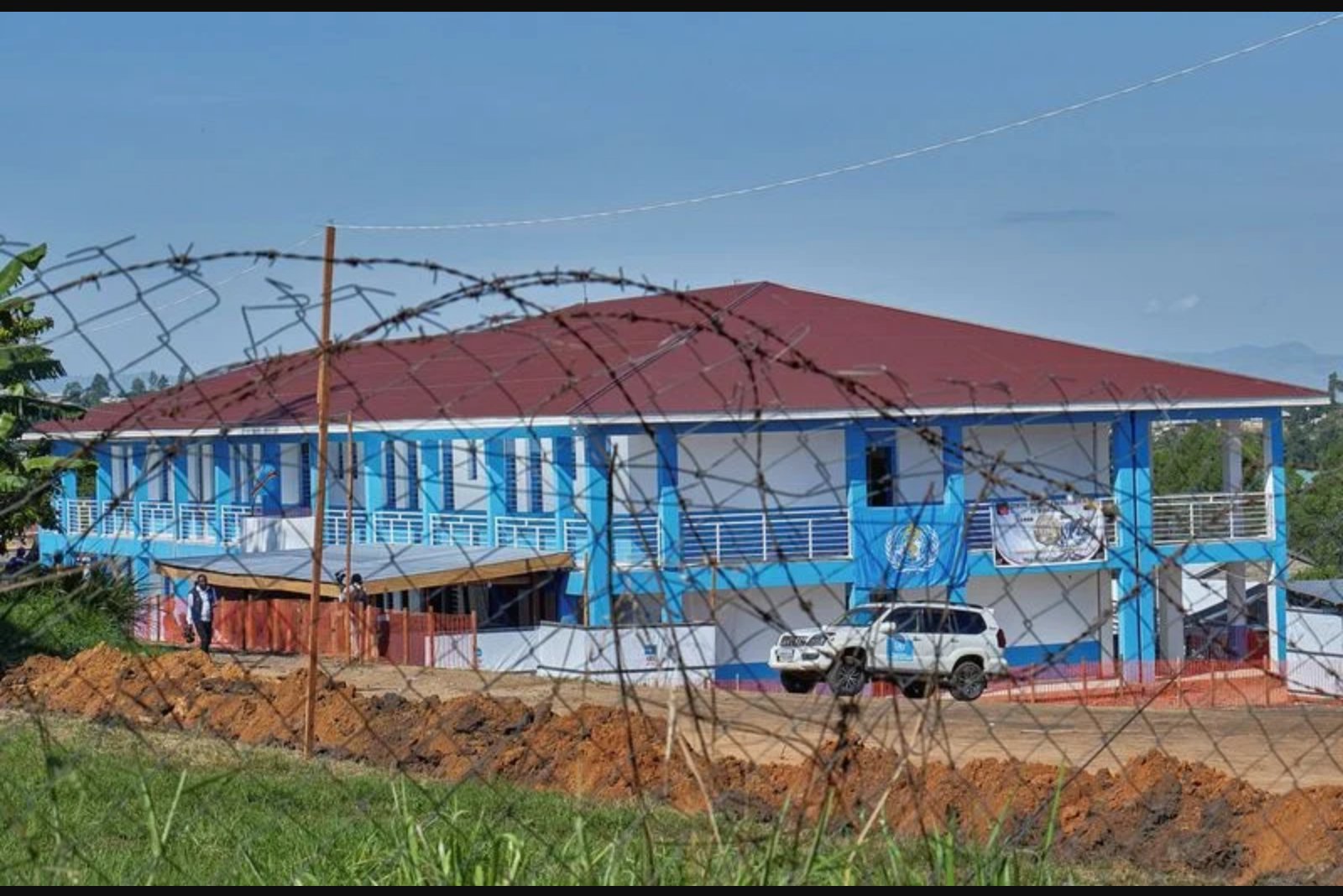
NAIROBI, June 12 - A senior World Health Organization epidemiologist working in Beni, eastern Democratic Republic of Congo, warned on Friday that numerous "blind spots" in surveillance could be obscuring the true scale of the current Ebola outbreak.
Olivier le Polain, a WHO epidemiologist on the ground, said that surveillance needs to be strengthened in several high-risk areas where detection remains unreliable. He suggested that the disease's spread may be considerably broader than current official counts show.
"There are still many blind spots in some areas that are high risk," le Polain said. "Surveillance really needs to be strengthened in those areas."
The Congolese authorities announced on Thursday that the outbreak had reached three additional health zones. Official figures put the outbreak at 676 confirmed cases and 136 deaths, and health officials report the disease has also crossed a border into neighbouring Uganda.
Responders on the ground face a critical shortfall in isolation capacity. Le Polain noted there are only 250 beds available across the three affected provinces to isolate patients - a constraint that complicates efforts to contain transmission.
The epidemic is caused by the Bundibugyo strain of Ebola, described as rare in comparison to other Ebola variants. According to the WHO epidemiologist, there is currently no approved treatment or vaccine for this particular strain.
Health teams and first responders say the virus was not detected for weeks after it began circulating, which has left them struggling to bring the outbreak under control as they attempt to close gaps in detection and care. The World Health Organization has not produced projections for the eventual size of the epidemic, le Polain said.
His remarks follow a statement from the U.S. Centers for Disease Control and Prevention indicating the outbreak could reach levels comparable to the 2014-2016 West Africa epidemic, which previously resulted in more than 11,000 deaths. The WHO official reiterated that more robust surveillance and expanded isolation capacity are pressing needs in the affected provinces.
Reporting from the field underscores two immediate operational priorities: improving surveillance to identify undetected transmission chains, and expanding capacity to safely isolate patients given the limited number of beds. Both measures are central to slowing the spread of the Bundibugyo strain while responders work to trace contacts and provide care.