
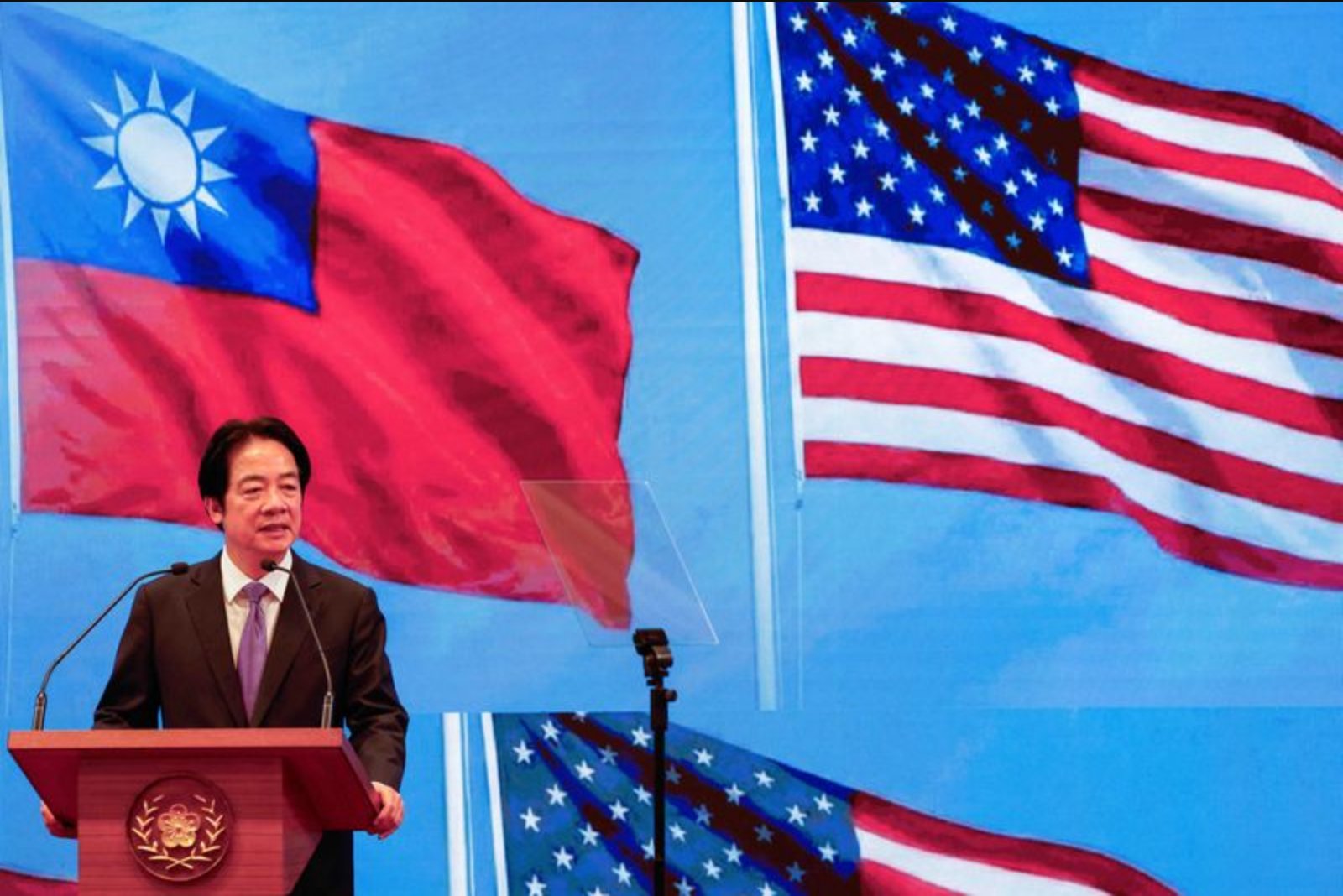
The United States on Wednesday expressed concern after several African countries rescinded overflight clearances for Taiwan's presidential aircraft at what U.S. officials described as China's direction, an action the State Department characterized as an abuse of the international civil aviation system.
Taiwan said this week that the Seychelles, Mauritius and Madagascar each unilaterally withdrew flight permits that would have allowed its presidential plane to transit airspace they manage. The permits were required for a planned trip to Eswatini, a country that maintains formal diplomatic ties with Taiwan. As a result, Taiwan canceled the entire foreign trip.
Officials in Washington stressed that the revocations represented a new tactic in efforts to curtail Taiwan's international engagement. The State Department said the affected countries are acting at China's behest and that their responsibility for managing international airspace beyond their sovereign airspace is meant to ensure aviation safety, not to become a political instrument for another government.
In a statement, a State Department spokesperson said the incident constituted another example of Beijing's broader campaign to intimidate Taiwan and its international supporters, and called on China to stop applying military, diplomatic, and economic pressure against the island.
A senior Taiwan security official said China had applied pressure on the Seychelles, Madagascar and Mauritius, including threats of economic sanctions such as rescinding debt relief. Chinese authorities responded by denying that they had pressured the three countries and by expressing appreciation for those governments' adherence to the one-China principle.
China regards democratically governed Taiwan as part of its territory, a position Taipei rejects, and has frequently described the issue as a red line in its diplomatic dealings with other states.
Eswatini, a small nation in southern Africa and one of only 12 countries that continue formal diplomatic relations with Taiwan, was to host Taiwan's president for the 40th anniversary of King Mswati III's accession. The Taiwanese leader had been scheduled to depart on Wednesday; Taiwan previously sent a president to Eswatini in 2023, when Tsai Ing-wen made the trip.
Lawmakers in the United States from both chambers publicly condemned the airspace denials and voiced support for Taiwan. While the U.S. does not maintain formal diplomatic ties with Taiwan, it is described by American officials as Taiwan's most significant international backer and its largest supplier of defensive arms.
Context and implications
The revocation of overflight permissions for a head of state is notable in aviation and diplomatic terms. U.S. officials framed the episode as politicizing airspace management, a practice they said should be reserved for safety considerations. Taiwan officials described the move as unprecedented for a president to cancel an entire trip because of denied airspace access.
At present, public accounts cite the three island nations as having revoked the permits and describe Chinese officials as both denying direct involvement and simultaneously commending those nations for observing the one-China principle. The limited public record leaves certain details about internal deliberations within those countries unclear.